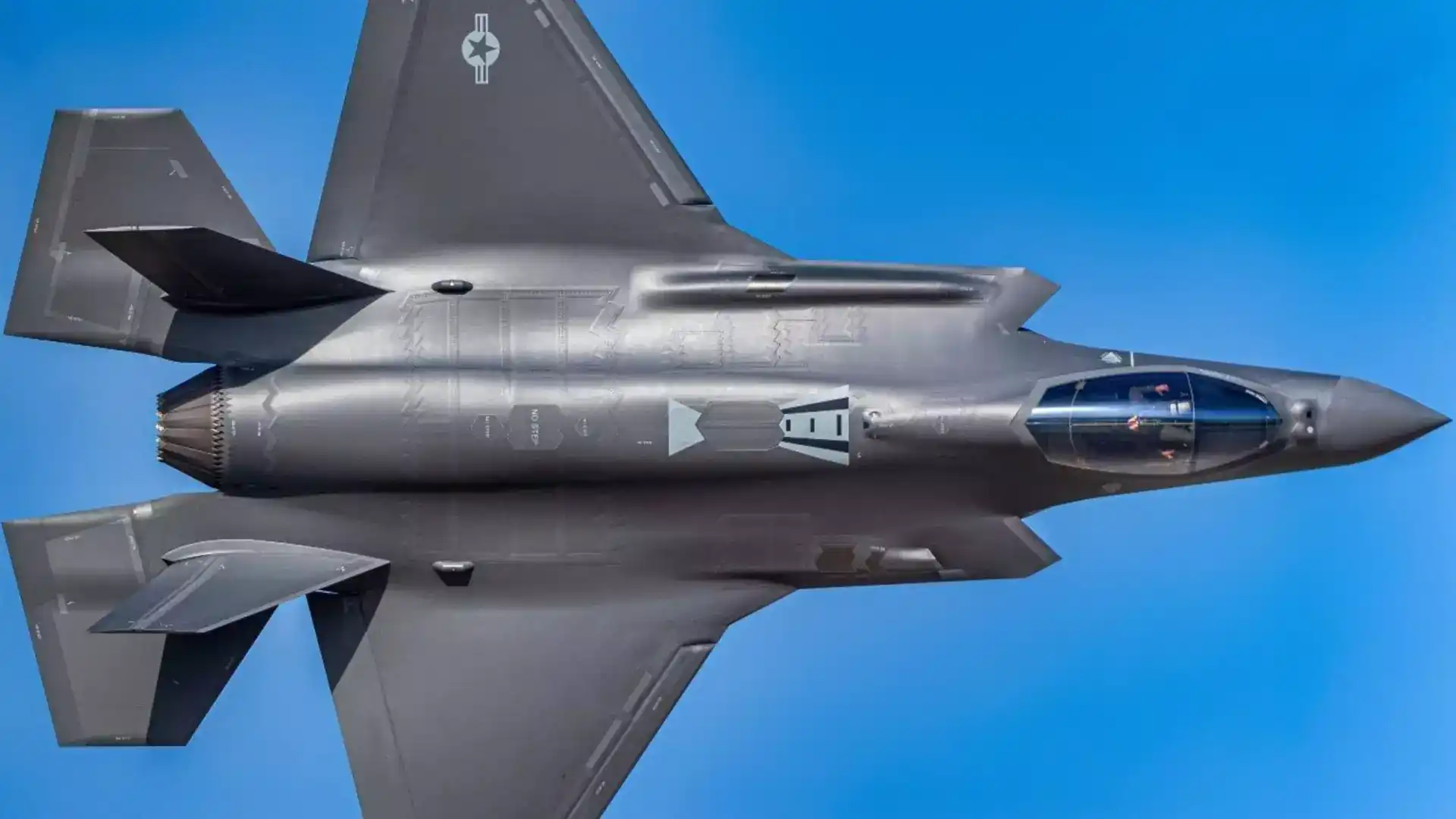
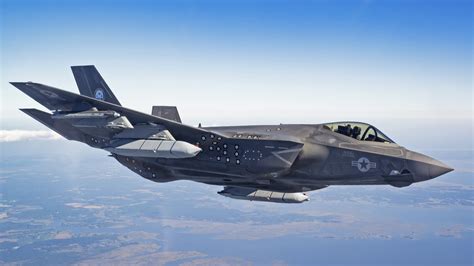
The F-35 Lightning II, designed as the fifth-generation stealth multirole fighter by Lockheed Martin, has long been promoted as a cornerstone of modern American air power. However, a new force is emerging to challenge the fiscal and strategic rationale behind this multibillion-dollar platform. With the upcoming establishment of the Department of Government Efficiency (DOGE) in 2025—spearheaded by Elon Musk—the F-35 has been placed directly under the microscope as the symbol of bloated military expenditure and systemic inefficiencies within the United States defense apparatus.
The Emergence of DOGE: Restructuring Government Spending
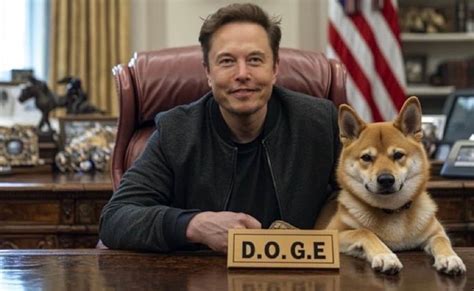
DOGE, a government body proposed to optimize spending and operational efficiency, marks a paradigm shift in how federal operations—particularly in defense—are scrutinized. With Musk at the helm, DOGE targets sectors of exorbitant and misaligned resource use, with the Pentagon’s aircraft procurement programs being a primary focus. Musk’s leadership suggests a blend of technological pragmatism and cost-conscious policy-making, aiming to replace bureaucratic complacency with Silicon Valley-style disruption.
The F-35 program, notorious for its escalating costs, logistical failures, and underwhelming combat readiness, has become a central figure in DOGE’s mission. The projected $2 trillion lifecycle cost of the aircraft is seen not as a defense necessity but as a monumental example of procurement inefficiency.
Elon Musk’s Scathing Criticism of the F-35 Program
Elon Musk’s commentary on the F-35 program has been nothing short of incendiary. Referring to the aircraft as “dogshit” and its manufacturers as “idiots“, Musk articulates what many defense analysts have suggested more diplomatically for years—the F-35 is a costly relic masquerading as innovation. His critiques are not personal attacks but reflect a data-driven condemnation of the aircraft’s actual value in real-world military operations.
Unit Cost and Maintenance Outlay: Depending on the variant, a single F-35 costs between $77.9 million and $140 million. However, the aircraft’s real financial burden lies in its long-term upkeep. The lifetime sustainment cost is estimated at over $2 trillion, a figure that outpaces the gross domestic product of many nations. When compared to rapidly evolving threats and modern conflict scenarios, this figure is economically untenable.
Operational Readiness: Despite being billed as a ready-for-combat system, the F-35 has consistently failed to deliver even basic mission capability rates. The official benchmark set for its fleet was an 85% mission-capable rate, yet it has hovered near 55%, rendering nearly half of the fleet unusable at any given moment. This operational shortfall compromises the air superiority it was designed to guarantee.
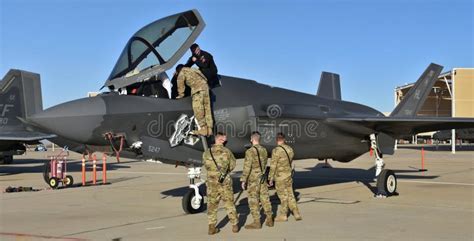
Technical Flaws and Battlefield Vulnerabilities
The F-35 was envisioned to blend stealth, sensor fusion, and multirole capabilities. However, systemic design issues and combat impracticalities continue to plague the platform. Musk argues that the aircraft is technologically misaligned with the realities of 21st-century warfare.
Diminished Return on Stealth Integration: One of the F-35’s primary selling points is its stealth design. However, the requirement to carry anti-ship missiles like the AGM-158C externally undermines this stealth, exposing the aircraft to advanced radar systems—especially those developed by near-peer adversaries like China’s integrated air defense networks.
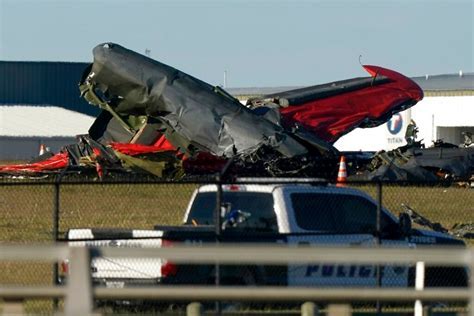
Mechanical and System Failures: In recent years, the F-35 has suffered from a disturbing range of malfunctions. These include oxygen system leaks, fuel contamination, and even carrier-based incidents such as sliding off deck during landings. In South Korea, a bird strike led to damages on an F-35A so extensive that repair costs reached $83 million, nearly equating the aircraft’s new purchase value.
Flight Cost Inefficiencies: At $44,000 per hour, the F-35’s operating cost significantly hampers deployment flexibility. In asymmetric conflicts or low-intensity engagements, the aircraft’s deployment is not only overkill but economically irrational.
The Rise of Drone Warfare as a Viable Alternative
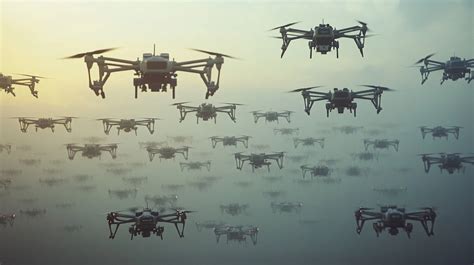
Musk proposes a new doctrine of air warfare, centered around autonomous drones and AI-assisted combat systems, which he argues are more cost-effective, agile, and strategically adaptable. His public demonstrations of drone swarms, coordinated through advanced software, emphasize the feasibility of replacing aging fighter platforms with distributed aerial systems.
Unmanned Combat Superiority: Modern drones can be manufactured and operated at a fraction of the cost of the F-35. High-end drones cost under $10,000 per unit, and can be produced in scalable volumes, allowing for swarming tactics that overwhelm enemy defenses. Unlike traditional jets, their loss in combat carries minimal strategic cost.
AI and Hypersonic Synergies: The evolution of AI combat algorithms and hypersonic missile systems suggests a future where air superiority is achieved through speed, coordination, and unpredictability, not just stealth and firepower. Musk emphasizes that while the F-35 is being patched through incremental upgrades like the Block 4 enhancement, these remain locked into costly engine overhauls, such as the F135 core upgrade, which do little to future-proof the platform.
Military-Industrial Complex and Resistance to Change
The F-35 program is not just a technological entity—it represents the entrenched interests of the military-industrial complex. Lockheed Martin, America’s largest defense contractor, is deeply woven into the political and economic fabric of defense procurement. With over 3,500 F-35 units ordered globally and partnerships across 20 allied nations, the program has become a self-perpetuating ecosystem of political capital and economic leverage.
Musk’s critiques challenge this dynamic directly. By undermining the efficacy and necessity of the F-35, he threatens the foundational logic on which many Congressional defense appropriations rest. DOGE’s broader aim is to untangle these legacy ties and enable a shift towards transparent, agile procurement strategies driven by outcome efficiency, not vendor loyalty.
Symbol of Reform: Why DOGE Targets the F-35 First
DOGE’s emphasis on the F-35 is both strategic and symbolic. It encapsulates decades of defense policy inertia, technological overreach, and budgetary mismanagement. The program’s disproportionate share of the Pentagon’s budget and its low return on investment render it the ideal starting point for systemic disruption.
DOGE aims to catalyze a philosophical shift in defense thinking: from platform dominance to mission adaptability. This shift aligns more closely with the strategic needs of emerging threats—cyber warfare, autonomous systems, hypersonic engagements—than legacy hardware designed in the 1990s.
If DOGE succeeds in curbing or replacing the F-35 program, it would not only save trillions but pave the way for a new procurement culture based on innovation, accountability, and resilience. Musk’s involvement ensures this isn’t just a political maneuver but a technical realignment.
FAQ
Why is Elon Musk so critical of the F-35 program?
Elon Musk views the F-35 as a symbol of military inefficiency, citing its exorbitant cost, poor mission capability, and outdated design in a drone-dominated future. He believes the U.S. should prioritize low-cost, intelligent autonomous systems instead of relying on legacy platforms with poor returns.
How much does the F-35 cost in total over its lifespan?
The lifecycle cost of the F-35 program is estimated at $2 trillion, which includes procurement, maintenance, upgrades, and support. This figure makes it one of the most expensive weapons programs in history, outpacing the cost of many wars and national infrastructure projects.
What alternatives to the F-35 does DOGE propose?
DOGE, influenced by Musk’s vision, advocates for a shift toward AI-driven drones, hypersonic weapons, and adaptive combat technologies that can be produced and operated at lower cost while offering greater flexibility and strategic impact in modern warfare scenarios.