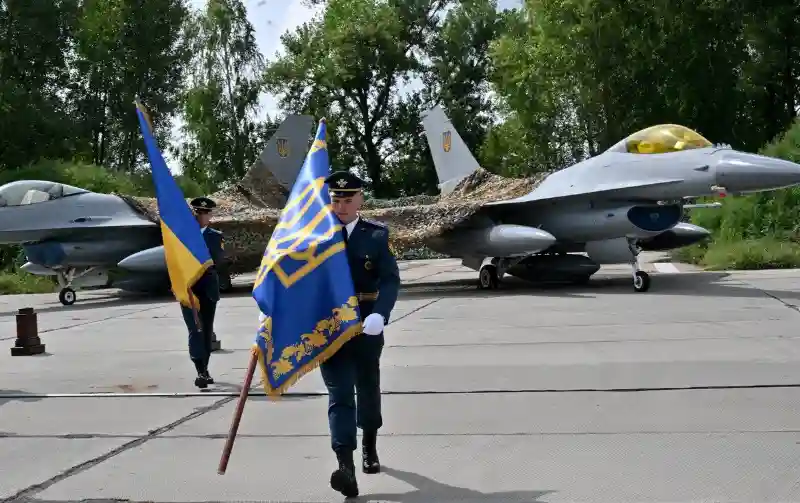
Russia Claims to Have Shot Down an F-16 in Zaporizhia
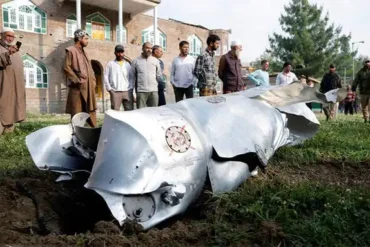
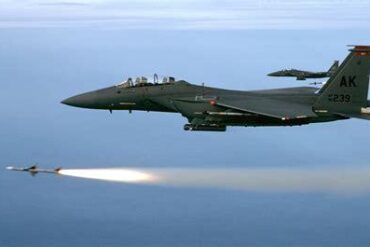
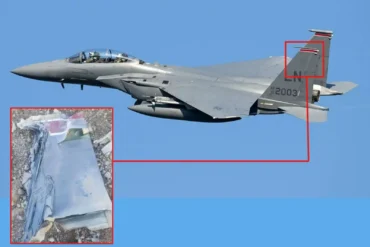
Russia has asserted that its air defense systems successfully downed a Ukrainian F-16 Fighting Falcon over the Zaporizhia region. According to Vladimir Rogov, the Kremlin-appointed leader of the occupied territory, the fighter jet was struck after launching a missile. As of now, Ukrainian officials have not confirmed this claim, leaving the global defense community in speculation over the accuracy of this report.
If the report is true, this would mark the second recorded loss of an F-16 in Ukraine since the country began receiving the aircraft from Western allies. The first confirmed crash occurred in August 2024, during a response to a Russian missile strike, though details surrounding that incident remain ambiguous.
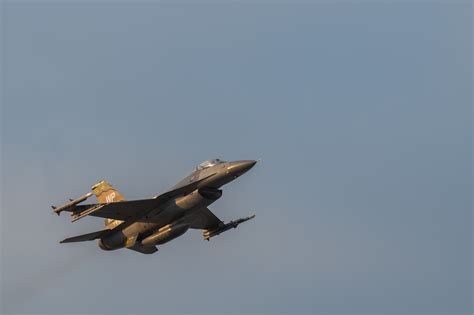
The Strategic Importance of F-16s for Ukraine
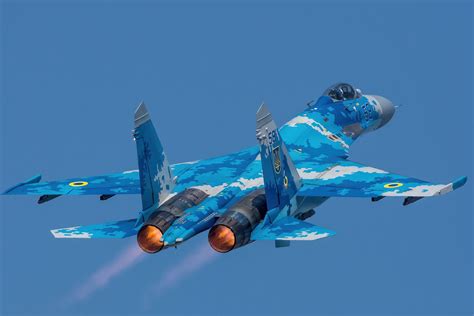
Ukraine has faced a severe shortage of modern fighter aircraft since the onset of Russia’s full-scale invasion in 2022. While Ukraine’s aging Soviet-era fleet, including MiG-29s and Su-27s, has provided some air defense capability, the introduction of the F-16 marked a pivotal moment in modernizing Ukraine’s air force. These aircraft, supplied by countries such as Denmark, the Netherlands, Norway, Belgium, and Greece, were expected to enhance Ukraine’s ability to challenge Russian air superiority.
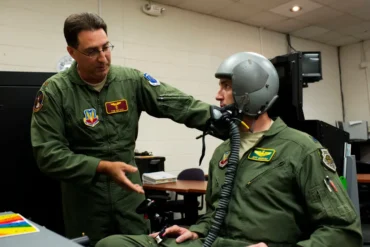
However, logistical hurdles and training delays have limited the immediate impact of the jets. Ukraine has had to undertake the complex task of integrating Western aircraft into its existing military infrastructure, adapting its weapons systems to be compatible with the F-16. Additionally, a shortage of trained pilots has delayed full-scale deployment, with many Ukrainian aviators still undergoing training in allied nations.
The Economic and Strategic Cost of an F-16 Loss
Every F-16 downed represents more than just a tactical setback—it is a substantial financial and strategic blow. The Russian oil company Fors has offered a bounty of 15 million rubles (approximately $146,000 at current exchange rates) for each F-16 shot down. While this sum may seem significant, it pales in comparison to the estimated cost of an F-16, which ranges from $30 million to $70 million depending on modifications and equipment.
The financial cost, however, is not the primary concern. The limited number of aircraft available to Ukraine makes each loss critical. Although Ukraine has secured commitments for just over 100 F-16s, President Volodymyr Zelensky has warned that this number may not be sufficient to counter Russia’s significantly larger air force. Without adequate numbers and support infrastructure, Ukraine’s ability to contest the skies remains uncertain.
Russia’s Response and the Escalation of Tensions
The downing of an F-16, if confirmed, represents a propaganda victory for Russia. The Kremlin has consistently sought to portray Western military aid to Ukraine as a direct escalation of NATO involvement in the conflict. Russian Foreign Minister Sergey Lavrov has claimed that the supply of F-16s could intensify nuclear tensions, though Western defense analysts have dismissed such assertions as exaggerated rhetoric aimed at discouraging further military aid.
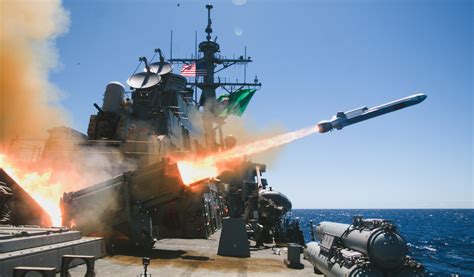
Additionally, Russian air defense capabilities—including the S-300 and S-400 missile systems—have proven to be formidable. These systems have already been responsible for downing multiple Ukrainian aircraft, including Soviet-era jets and drones. If an F-16 has indeed been shot down, it raises concerns over the survivability of these aircraft in contested airspace and the necessity of enhancing electronic warfare countermeasures.
Ukraine’s Challenges in Deploying the F-16 Effectively
Deploying the F-16 effectively in Ukraine’s theater of war presents several challenges:
1. Pilot Training and Experience Gap
Training Ukrainian pilots to operate the F-16 at a combat-effective level takes time. Unlike their Russian adversaries, who have years of experience flying advanced Su-35s and Su-57s, Ukrainian pilots are still adjusting to the Western combat doctrine associated with F-16 operations.
2. Adaptation of Western Technology
Ukraine must integrate the F-16 into an air force originally built around Soviet-era aircraft. This includes adapting missile systems, avionics, and maintenance procedures, which have historically been based on MiG and Sukhoi platforms. While countries such as the U.S. and the UK have provided logistical and technical support, achieving full compatibility remains a significant undertaking.
3. Vulnerability to Russian Air Defenses
Despite the F-16’s advanced maneuverability and avionics, the aircraft remains vulnerable to Russia’s layered air defense systems. Ground-based radar detection, coupled with the long-range capabilities of S-400 missiles, makes low-altitude operations particularly dangerous for Ukrainian pilots.
Future Implications for the Air War in Ukraine
The potential loss of an F-16 in Zaporizhia raises pressing questions about the future of Ukraine’s air force and its ability to challenge Russian air superiority. While Western military support remains crucial, Ukraine must also focus on enhancing its air defense networks, employing drones and electronic warfare tactics, and possibly securing additional aircraft to compensate for inevitable losses.
Additionally, long-range strike capabilities, such as the Storm Shadow and ATACMS missile systems, may become increasingly vital in offsetting Russia’s numerical advantage. The combination of precision missile strikes, air denial strategies, and continued pilot training will be essential for Ukraine to maximize the effectiveness of its F-16 fleet.
FAQ: Common Questions About the F-16 in Ukraine
1. How many F-16s has Ukraine received so far?
Ukraine has received commitments for over 100 F-16s from Western allies, including Denmark, the Netherlands, Norway, Belgium, and Greece. However, only a limited number have been delivered and are operational as of early 2025.
2. Can the F-16 outmatch Russian fighter jets?
The F-16 is a capable multi-role fighter, but its success against Russian jets depends on multiple factors, including pilot skill, tactical deployment, and support from electronic warfare assets. Russian aircraft such as the Su-35 and Su-57 have modern radar and missile systems, making the air war a difficult challenge for Ukraine.
3. What challenges does Ukraine face in using the F-16?
Ukraine faces challenges such as pilot training delays, adapting Western technology, and dealing with Russian air defense threats. Additionally, maintaining and repairing these aircraft in a war zone remains a logistical hurdle, given the lack of existing Western-standard air bases in Ukraine.
The F-16’s role in Ukraine’s war effort remains a critical point of discussion as the conflict continues to evolve. While the introduction of these jets represents a significant step forward, the recent downing—if confirmed—underscores the ongoing challenges Ukraine faces in securing its airspace against a highly capable Russian adversary.