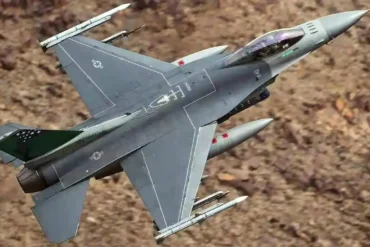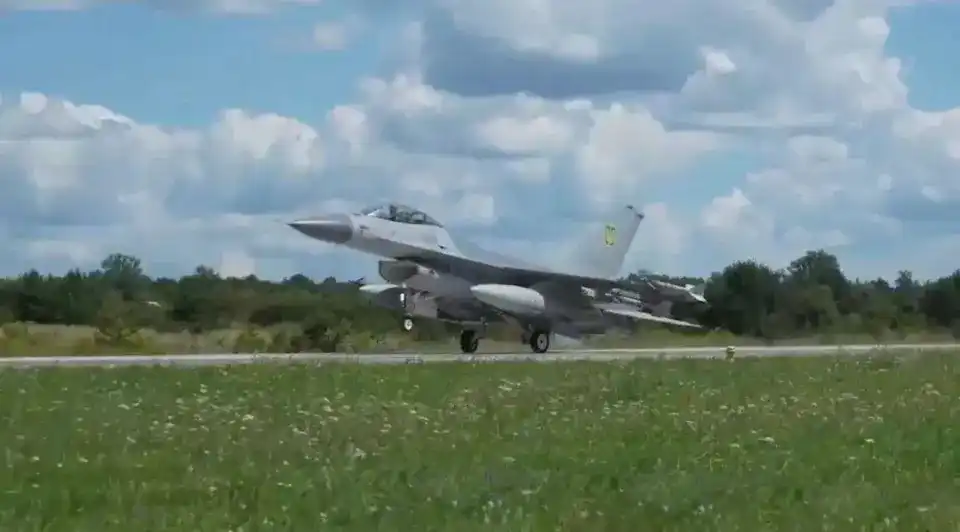
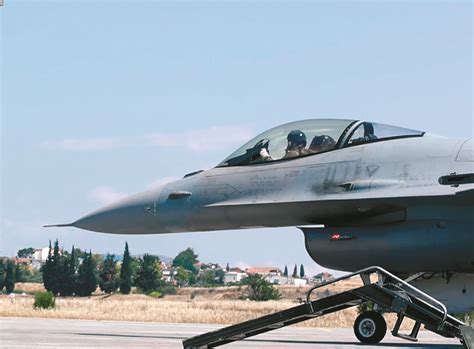
The F-16 Fighting Falcon remains one of the most widely used multi-role fighter jets in the world. To ensure its continued effectiveness, NATO countries initiated the Mid-Life Upgrade (MLU) program in the 1990s. This upgrade primarily targeted early F-16A/B Block 1/5/10/15 aircraft, enhancing their avionics, weapon systems, and structural integrity. The upgraded aircraft are commonly designated as F-16AM (single-seat) and F-16BM (twin-seat). The MLU program allowed older F-16s to achieve performance levels comparable to later F-16C/D models.
The F-16 MLU Program: Purpose and Scope
The F-16 MLU was initiated as a collaborative effort between the United States, the Netherlands, Belgium, Norway, and Denmark. The primary objective was to extend the operational life of early-generation F-16A/B aircraft while modernizing their avionics and combat capabilities.
Core Upgrades in the MLU Program
1. Avionics Enhancements
- AN/APG-66(V2) radar: A significant improvement over the original radar, offering increased detection range and multi-target tracking.
- Modular mission computer: Allows greater adaptability for future software updates and mission profile changes.
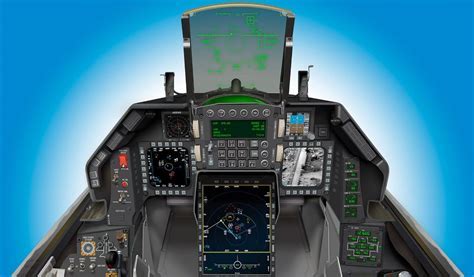
- Digital map and GPS navigation: Enhances situational awareness and precision targeting.
- Wide-angle head-up display (HUD): Provides critical flight and combat information with improved visibility.
- Color multifunction displays (MFDs): Enhance pilot situational awareness and reduce workload.
2. Structural Reinforcement
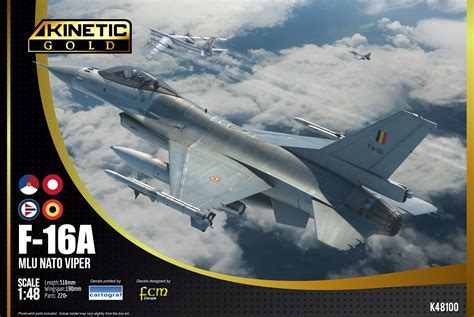
- Airframe and wing strengthening: Brings the structural integrity closer to F-16C/D Block 30/40 standards.
- Increased empty weight: Additional 454 kg due to reinforced airframe components.
- Extended operational life: Allows upgraded aircraft to remain in service well into the 2030s.
3. Expanded Mission Capabilities
- Integration of AIM-120 AMRAAM: Allows beyond-visual-range (BVR) air combat capability.
- Night interception capability: Some variants (e.g., Danish MLU) feature a 450W searchlight for night operations.
- Support for multi-role operations: Includes air-to-ground and anti-ship capabilities, expanding mission profiles.
F-16AM/BM: Technical Specifications
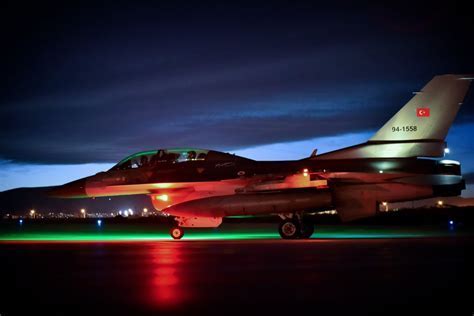
| Specification | Details |
|---|---|
| Length | 15.06 m |
| Wingspan | 9.45 m |
| Maximum Takeoff Weight | 17,000 kg |
| Combat Radius | 925 km |
| Max Ferry Range | 3,870 km (with tanks) |
| Engine | Pratt & Whitney F100-PW-220 |
| Military Thrust | 6,600 kg |
| Afterburner Thrust | 10,886 kg |
| Weaponry | AIM-9, AIM-120, AGM-65 |
Operational Role and Limitations
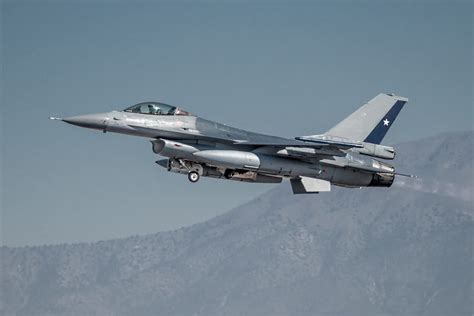
The F-16AM/BM remains a potent multi-role fighter, with the ability to engage enemy aircraft, ground targets, and naval threats. However, despite significant enhancements, it has limitations when compared to newer 4.5-generation fighters.
Advantages
- Modernized avionics: Brings older airframes up to modern combat standards.
- Cost-effective upgrade: Extends service life without requiring entirely new aircraft.
- Interoperability: Compatible with NATO standards, enabling joint operations with allied forces.
Limitations
- Radar constraints: The AN/APG-66(V2) has a detection range of approximately 100 km, which is inferior to modern AESA radars like the AN/APG-83 found in the F-16V.
- Airframe fatigue: Some MLU aircraft have been in service for over 30 years, limiting long-term sustainability.
- Reliance on NATO support: Countries like Ukraine require external support (e.g., AWACS and electronic warfare assets) to maximize effectiveness.
Comparison with Other F-16 Variants
F-16 ADF (Air Defense Fighter)
A U.S. Air National Guard variant designed for interception roles, featuring AIM-7 Sparrow compatibility. Many were later retired or reverted to standard F-16A configurations.
F-16V (Viper)
The latest upgrade program featuring AN/APG-83 AESA radar, advanced electronic warfare systems, and enhanced avionics. Considered a superior platform compared to F-16AM/BM MLU aircraft.
Global Users and Deployments
Ukraine’s F-16AM/BM Acquisition
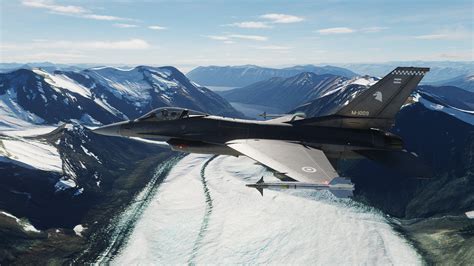
Ukraine has received F-16AM/BM aircraft from Denmark, Norway, and other European allies. These jets replace aging MiG-29 and Su-27 fighters, but due to missing Link 16 tactical data link support, their full combat effectiveness is restricted.
European Operators
- Belgium, the Netherlands, Norway, and Denmark upgraded their F-16A/B fleets through the MLU program.
- Belgium initially planned to phase out its F-16 fleet by 2023, but delays in F-35 deliveries have extended F-16 operations.
Frequently Asked Questions (FAQs)
1. How does the F-16 MLU compare to newer fighters like the F-35?
The F-16 MLU remains an effective multirole fighter, but it lacks the stealth, sensor fusion, and networked warfare capabilities of the F-35 Lightning II. However, its cost-effectiveness makes it a viable choice for nations that cannot afford next-generation platforms.
2. What are the primary weapon systems of the F-16AM/BM?
The F-16AM/BM supports a variety of weapons, including the AIM-120 AMRAAM for air-to-air combat, AGM-65 Maverick for ground attack, and JDAM precision-guided bombs.
3. Can the F-16AM/BM compete with Russian Su-30SM and Su-35S fighters?
While the F-16AM/BM has modernized avionics and BVR capabilities, it is generally outclassed by the Su-30SM and Su-35S, which feature superior radars, longer-range missiles, and better maneuverability. However, when supported by NATO AWACS and electronic warfare assets, the F-16 can still pose a credible threat.
Conclusion
The F-16AM/BM MLU program has extended the lifespan of early F-16A/B fighters, providing NATO and allied nations with a cost-effective multirole combat aircraft. Despite its limitations compared to newer 4.5 and 5th-generation fighters, the MLU upgrade has ensured that these aircraft remain relevant in modern air combat scenarios. The continued deployment of F-16AM/BM in Europe and Ukraine highlights its enduring operational value.