Pilot stripes are more than decorative flourishes sewn onto epaulets—they are powerful indicators of authority, experience, and responsibility in the aviation world. Each stripe reflects a rank within the hierarchy of flight deck personnel, offering passengers and crew alike a visual cue about who is in command and who is assisting. Though variations exist across airlines globally, there is a general industry convention regarding stripe usage that reflects both experience and responsibility within the cockpit. This guide explores the true meaning behind pilot uniform stripes, breaking down their significance in detail.
Understanding Pilot Rank Hierarchy Through Stripes
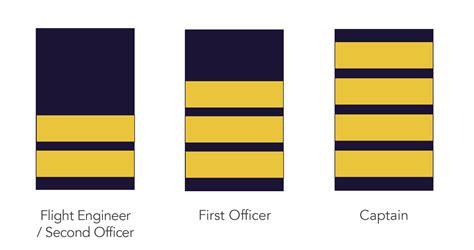
At the heart of every commercial flight, there is an organized structure of command and support roles. The system of stripes allows us to instantly identify where a pilot stands within that structure. While international aviation authorities do not enforce a global standard for stripe distribution, most airlines follow a similar rank-based assignment. The core roles are:
-
Captain (4 stripes)
-
Senior First Officer (3 stripes)
-
First Officer (2–3 stripes)
-
Second Officer (2 stripes)
-
Cadet/Trainee Pilot (1–2 stripes)
Despite these general conventions, certain regional, operational, or organizational distinctions may alter these patterns slightly, especially at the entry and training levels.
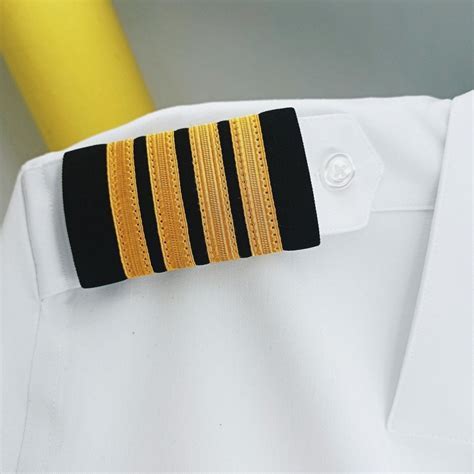
Four Stripes: The Captain and the Training Captain
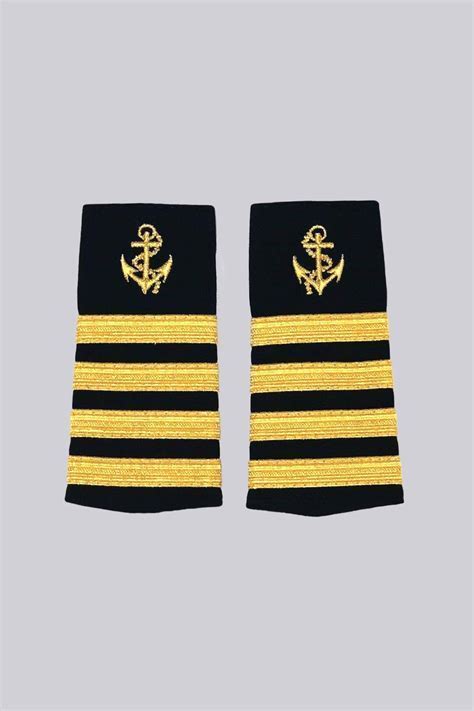
Captains are the commanding officers of a commercial aircraft. They bear complete operational responsibility for the flight, crew, passengers, and the aircraft itself. The visual indicator of this authority is four bold stripes on each shoulder.
A Captain’s authority is not just ceremonial; it translates to critical real-time decision-making, especially during emergencies, inclement weather, or airspace coordination. This role also comes with a commercial pilot’s license (CPL) and, typically, a full Airline Transport Pilot License (ATPL).
Interestingly, Training Captains, who are more senior than standard Captains due to their additional responsibilities in mentoring and certifying fellow pilots, also wear four stripes. They guide pilots transitioning to new aircraft types or those newly promoted, ensuring procedural compliance and operational safety. Despite their elevated status, their uniforms remain indistinguishable from those of standard Captains in most airlines.
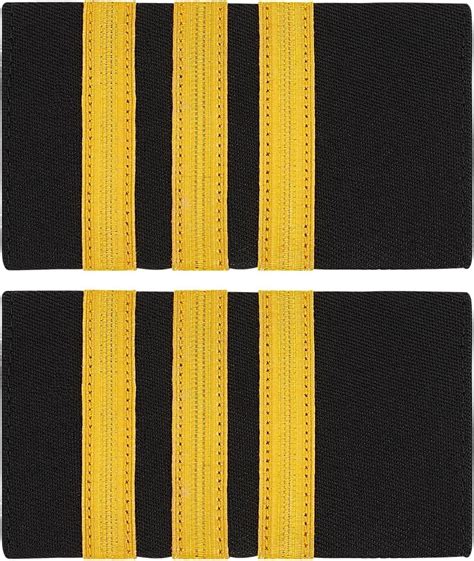
Three Stripes: Senior First Officer
Beneath the Captain, we often find a Senior First Officer (SFO)—a pilot with substantial flight experience, typically exceeding 1,500 flight hours. These officers may be considered “command ready,” meaning they have met all technical, procedural, and operational benchmarks to become a Captain. However, due to limited vacancies or ongoing rotations, they continue in their supportive yet crucial role.
The SFO is designated by three uniform stripes, signaling a high degree of competence and trust within the airline. Some carriers distinguish SFOs from regular First Officers through this stripe count, while others may still use two stripes, depending on internal policy.
Two or Three Stripes: First Officer
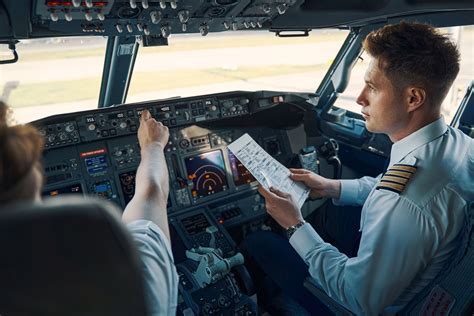
The term First Officer (FO) generally refers to the Co-Pilot, and their stripe count varies between two and three, largely based on the airline’s policy and the pilot’s tenure. Some First Officers begin with two stripes and receive their third stripe upon promotion to Senior First Officer. Others, particularly those working in long-haul operations, may receive three stripes from the start.
The First Officer serves as the second-in-command and alternates with the Captain during all phases of flight, including takeoff, cruising, and landing. They are certified to operate the aircraft and make decisions in case the Captain becomes incapacitated.
While there is a clear hierarchy in place, CRM (Crew Resource Management) doctrine emphasizes that both the Captain and First Officer must collaborate closely, share situational awareness, and support each other, regardless of stripe count.
Two Stripes: Second Officer
Some airlines assign the role of Second Officer (SO), particularly on ultra-long-haul flights requiring multiple pilots. These officers serve as cruise relief pilots, taking over during the mid-phase of a flight to allow the Captain and First Officer to rest.
Second Officers do not typically participate in takeoff or landing unless required by operational needs or as part of their developmental training. Their uniform bears two stripes, denoting their intermediary role and progressive learning curve.
Second Officers often transition to full First Officers after completing required flight hours, simulator sessions, and procedural evaluations. Their pathway often includes Type Rating certifications and line checks to validate their readiness.
One or Two Stripes: Cadet and Trainee Pilots
At the very base of the aviation hierarchy are Cadets and Trainee Pilots, still enrolled in flight schools or undergoing airline-specific training programs. Stripe usage at this level is largely symbolic and varies widely between institutions.
Typically:
-
One stripe denotes a cadet holding a Commercial Pilot License (CPL).
-
Two stripes may be awarded after earning an Instrument Rating (IR).
-
Three stripes may occasionally appear but are controversial given that these individuals have not yet flown a commercial flight.
This variation often serves more as an internal motivational tool within flight academies rather than a practical rank system. Once cadets graduate and join a commercial airline, they are usually issued two-stripe uniforms pending further evaluation and promotion.
Stripe Meanings Aren’t Standardized Worldwide
A critical point in understanding pilot stripes is the absence of global uniformity. While the four-stripe Captain standard is nearly universal, stripe usage in other ranks can fluctuate:
-
In some regions, First Officers are given three stripes regardless of experience.
-
Airlines in Asia may issue distinctive insignia or color-coded epaulets instead.
-
Military-trained pilots transitioning to commercial sectors often face different stripe allocation systems.
What remains consistent is the operational clarity these stripes bring. Cabin crew, air traffic control, and other pilots can quickly assess who holds command, who is being mentored, and who is still learning—all from a glance at the shoulders.
The Hidden Layers of Authority
Though visual indicators like stripes are crucial, they are only the surface layer of a pilot’s status. Actual authority is embedded in:
-
Flight hours accumulated
-
Certifications held (CPL, ATPL, Type Ratings)
-
Command endorsements
-
Simulator and line-check assessments
-
Operational experience across diverse environments
Many pilots may share stripe counts yet hold very different levels of responsibility, especially in multi-crew operations or training flights. This underscores why Training Captains, despite their additional authority, do not wear more than four stripes—it would blur the visual hierarchy onboard.
Why Pilot Stripes Still Matter in the Digital Age
In a cockpit filled with digital flight systems, GPS navigation, and autopilot tools, the concept of epaulet stripes may seem antiquated. But in practice, they continue to serve multiple vital functions:
-
Instant authority recognition for passengers and crew
-
Clear command chain during emergencies or irregular operations
-
Professional identity and morale for pilots
-
Tradition and standardization in an otherwise highly regulated industry
The uniform’s symbolism reinforces the reliability and competence passengers associate with flight crews. In many ways, it acts as a bridge between past aviation traditions and present-day precision.
Frequently Asked Questions
What do the four stripes on a pilot’s uniform mean?
Four stripes indicate that the pilot is a Captain or a Training Captain—the highest-ranking operational officer onboard. They have full authority over the flight and all operational decisions during its course.
Can a First Officer wear three stripes?
Yes. Depending on the airline’s policy and the pilot’s experience, a First Officer may wear either two or three stripes. Some carriers assign three stripes immediately upon hiring, while others reserve them for Senior First Officers.
Why does a Training Captain have the same stripes as a regular Captain?
A Training Captain holds greater seniority and additional responsibilities such as mentoring and evaluating other pilots. However, airlines keep the stripe count the same (four) to preserve visual hierarchy and avoid confusion during multi-crew operations.