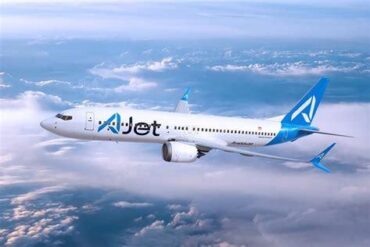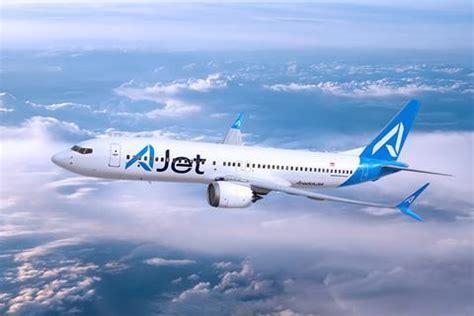
AJet, Turkey’s fast-evolving low-cost airline, has taken a decisive leap toward regional tourism leadership by expanding its fleet with Boeing 737 MAX 8 aircraft. As a rebranded offshoot of Turkish Airlines, AJet is driving a strategic fleet renewal aimed at energizing both domestic and international tourism. By integrating seven Boeing 737 MAX 8s originally bound for Russia’s S7 Airlines, the carrier is seizing an opportunity born of geopolitical shifts to elevate its presence across key tourism corridors.
The acquisition of these aircraft is more than just a numbers game. It marks a transformative phase in AJet’s operational capacity, positioning it to respond swiftly to the rising demand for regional connectivity and travel efficiency within Turkey and beyond. By reinforcing infrastructure with newer, more sustainable aircraft, AJet is directly aligning itself with Turkey’s broader national strategy to enhance tourism as a primary economic pillar.
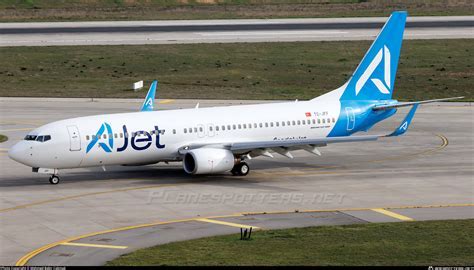
AJet’s Strategic Leap: Turning Grounded Jets into a Regional Asset
The story of AJet’s fleet expansion is intricately tied to global aviation politics and market realignments. Originally ordered by S7 Airlines, the Boeing 737 MAX 8 aircraft were grounded and left unused due to international sanctions related to geopolitical conflicts. Rather than allowing these advanced jets to remain idle, Turkish Airlines — through its low-cost carrier AJet — secured a dry lease for the seven aircraft, redirecting them to serve Turkey’s burgeoning tourism sector.
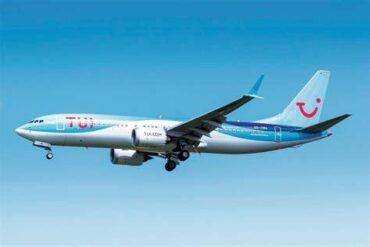
This move is far from arbitrary. The 737 MAX 8 is celebrated for its range, operational efficiency, and passenger comfort, making it ideally suited to the routes AJet seeks to dominate — those linking Istanbul, Antalya, Izmir, and Cappadocia with international markets like London, Berlin, Paris, and Dubai. With a layout that accommodates up to 189 passengers, the MAX 8’s versatility and efficiency empower AJet to expand its offerings without compromising its low-cost model.
Fuel Efficiency Meets Passenger Capacity
At the core of this upgrade is a compelling blend of fuel efficiency and higher load capacity, critical for low-cost carriers aiming to operate profitably in a price-sensitive market. The 737 MAX 8’s design, featuring CFM International LEAP-1B engines and advanced winglets, allows it to achieve up to 14% better fuel economy and 10% lower CO₂ emissions compared to previous models.
This not only reduces operational costs but also enables AJet to remain competitive in pricing, which is vital for the leisure travel market. The aircraft’s range — over 3,500 nautical miles — allows AJet to bridge medium-haul and longer regional routes effortlessly, opening up possibilities from Western Europe to the edges of Central Asia.
Strengthening Turkey’s Tourism Infrastructure
AJet’s fleet expansion directly supports Turkey’s broader effort to enhance tourism infrastructure in key cities and regions. Tourism accounts for over 10% of the country’s GDP, and government agencies have been increasingly focused on improving air access to lesser-served destinations.
By deploying the 737 MAX 8s on routes that include not just Istanbul but also Antalya, Izmir, and Kayseri — gateways to beach resorts, cultural heritage zones, and natural wonders — AJet is reinforcing a network that caters to both inbound and outbound leisure travelers. These aircraft are expected to service routes where demand spikes seasonally, particularly during summer and holiday months when Turkish cities see surges of European, Middle Eastern, and Asian tourists.
Antalya and the Coastal Surge: A Growth Epicenter
Antalya has emerged as a critical node in this network. Once a seasonal hub, it now operates year-round with increased direct flights. AJet’s new aircraft will further fuel this transformation. With their higher passenger capacity and fuel efficiency, the MAX 8s are particularly suited for tour packages, group travel, and frequent shuttle operations between European capitals and Mediterranean Turkey.
Cities like Berlin, London, Amsterdam, and Stockholm are increasingly drawn into Antalya’s orbit, thanks to expanded airlift and attractive pricing models. As a result, AJet not only strengthens its business model but also helps redirect tourism flows toward high-potential yet underdeveloped markets along the Turkish coast.
Enhanced International Connectivity: Linking Continents
The new fleet isn’t just about serving Turkey’s tourism hotspots — it’s also about expanding international visibility and accessibility. With the 737 MAX 8’s range and reliability, AJet is now well-positioned to deepen connections with European cultural centers like Rome and Paris, as well as extend reach to Middle Eastern hubs like Dubai and Riyadh. There is even speculation that AJet may experiment with more Eastern destinations such as Tashkent or Almaty, tapping into the resurging Central Asian leisure market.
The result is a more connected Turkey — one that welcomes not only Western tourists but also intra-regional travelers looking for short-haul, affordable escapes that don’t compromise comfort. This positions AJet as a vital bridge airline, enhancing accessibility and promoting Turkish heritage and hospitality to a wider global audience.
Aligning with Sustainability and Eco-Tourism Trends
One of the defining challenges of modern aviation is balancing operational growth with environmental stewardship. AJet’s choice of the Boeing 737 MAX 8 directly addresses this tension. By integrating aircraft designed to reduce fuel burn and emissions, the airline is meeting International Civil Aviation Organization (ICAO) efficiency targets while aligning with the rising demand for sustainable travel.
As eco-conscious travelers scrutinize airlines for carbon footprints and emissions data, AJet’s MAX 8-powered operations stand out. Lower emissions per seat, reduced noise pollution, and lower overall lifecycle environmental impact — all these features contribute to a greener tourism economy.
Supporting Turkey’s National Tourism Strategy
AJet’s fleet expansion is not occurring in a vacuum. It is integrally connected to Turkey’s national strategy to become a premier global tourism destination. By 2028, the country aims to host over 75 million tourists annually, and airlift is one of the most crucial elements in realizing this vision.
With these new aircraft, AJet becomes a frontline player in implementing this strategy. It can now offer increased frequency on high-demand routes and establish new connections with emerging tourism source markets. Whether it’s promoting the ballooned skies of Cappadocia, the thermal pools of Pamukkale, or the archaeological treasures of Ephesus, AJet becomes a storyteller with wings, carrying Turkey’s unique offerings across borders.
A Catalyst for Local Economies and Regional Airports
An often-overlooked benefit of airline growth is its positive impact on secondary airports and local economies. With the 737 MAX 8, AJet is capable of operating from regional hubs with limited infrastructure while still maintaining cost-efficiency and passenger comfort.
Airports such as Gaziantep, Trabzon, and Dalaman stand to benefit as AJet adds more frequencies and establishes these points as alternatives to major airports like Istanbul and Ankara. This not only decongests the national airspace but also stimulates local tourism economies, creating a ripple effect of hospitality growth in hotel, dining, and services sectors.
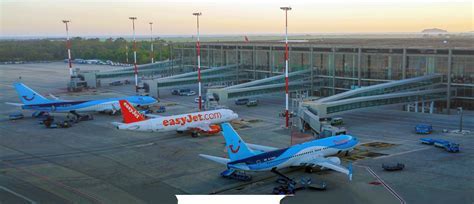
AJet’s Ascent: Redefining Regional Air Travel
With the incorporation of the Boeing 737 MAX 8s, AJet is redefining its role in Turkey’s aviation hierarchy. From a domestic low-cost arm to an emerging regional force, the airline is demonstrating agility, foresight, and strategic positioning. By anchoring itself in tourism-centric operations, AJet is not just moving passengers — it’s moving the economic engine of Turkish tourism forward.
As more aircraft enter service and route expansions unfold, industry analysts anticipate that AJet will explore code-sharing agreements, deeper partnerships within Star Alliance (via Turkish Airlines), and potentially evolve into a tourism-focused hybrid airline model, offering dynamic packages that combine airfare with hotel and tour services.
Conclusion: AJet’s MAX-Fueled Future
AJet’s decision to acquire and deploy Boeing 737 MAX 8s marks a watershed moment in Turkish aviation. It reflects a nuanced understanding of tourism dynamics, aircraft economics, and regional geopolitics. With this fleet expansion, AJet has positioned itself not just as a low-cost carrier, but as a strategic partner in Turkey’s tourism ecosystem — one that connects people, cultures, and destinations with speed, comfort, and environmental awareness.
If Turkey’s tourism renaissance is the story, AJet is fast becoming one of its most compelling protagonists — armed with efficient aircraft, ambitious vision, and a commitment to make regional travel not just accessible, but exceptional.