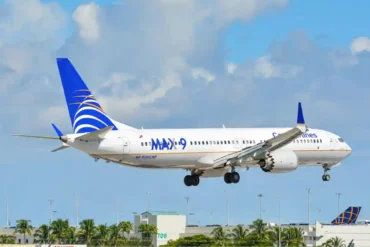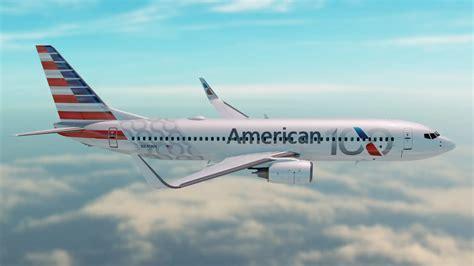
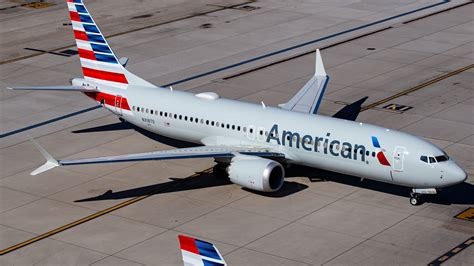
American Airlines has reached a defining moment in its fleet modernization program with the delivery of its 100th Boeing 737 MAX 8 aircraft, marking a major investment in next-generation aviation technology. The milestone arrives shortly after the airline celebrated its 100th anniversary, symbolizing both a century of aviation leadership and a renewed focus on operational efficiency, sustainability, and long-term growth.
The newly delivered aircraft, registered N324VL, represents the latest addition to one of the largest narrowbody fleets in the world. With more than 1,000 mainline aircraft currently in operation, American Airlines continues to scale its network through strategic fleet upgrades designed to lower costs while improving reliability across domestic and short-haul international routes.
This expansion also highlights the airline’s commitment to modern aircraft capable of delivering improved fuel efficiency, enhanced passenger comfort, and greater scheduling flexibility. As legacy aircraft are gradually retired, the 737 MAX 8 is becoming an increasingly vital component of American’s operational backbone.
A Strategic Milestone in American Airlines’ Fleet Modernization
The arrival of the 100th Boeing 737 MAX 8 underscores how aggressively American Airlines has pursued a modernization strategy aimed at creating a more efficient and standardized fleet. With only three additional MAX 8 aircraft remaining on order, the airline is approaching the completion of a major procurement phase that has reshaped its narrowbody operations.
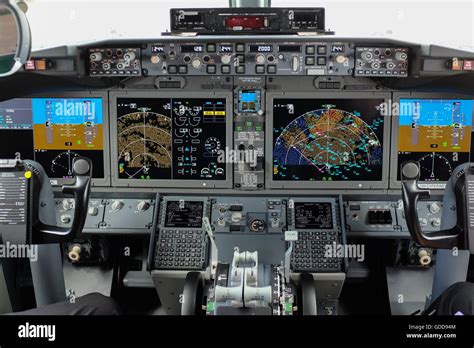
The Boeing 737 MAX 8 delivers significant operational advantages compared with earlier-generation aircraft. Its advanced CFM LEAP-1B engines, aerodynamic winglets, and improved avionics contribute to lower fuel consumption and reduced operating costs. For a carrier operating thousands of daily flights, these incremental efficiencies translate into substantial long-term savings.
Robert Isom, Chief Executive Officer of American Airlines, emphasized the symbolic importance of the milestone. The airline, long recognized as one of the most influential brands in global aviation, continues to prioritize innovation as a central pillar of its strategy.
According to Isom, American’s legacy is built on forward-thinking aviation leadership, and the rapid expansion of the 737 MAX fleet reflects a commitment to maintaining that reputation while preparing for the future of air travel.
Why the Boeing 737 MAX Is Central to American’s Network Strategy
The Boeing 737 MAX 8 occupies a critical role in American Airlines’ route planning. Its balance of range, capacity, and efficiency makes it suitable for a wide spectrum of operations—from busy domestic corridors to short-haul international destinations throughout North America and the Caribbean.
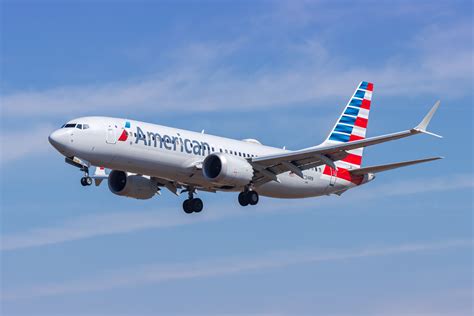
With a range exceeding 3,500 nautical miles, the aircraft can operate transcontinental routes while maintaining strong fuel performance. This flexibility allows American to deploy the aircraft across diverse markets without compromising operational efficiency.
Passenger experience has also improved with the introduction of the MAX 8. The aircraft features modern cabin interiors, quieter engines, LED lighting systems, and redesigned overhead bins that increase luggage capacity. These improvements help airlines maintain customer satisfaction while increasing revenue potential on high-demand routes.
Operational reliability is another major advantage. The aircraft’s advanced flight systems and performance characteristics allow airlines to maintain tighter schedules, which is essential in an industry where even small delays can cascade into major disruptions across a network.
Rebuilding Confidence in the 737 MAX Program
The Boeing 737 MAX program faced unprecedented challenges earlier in the decade following two fatal accidents that led to a global grounding of the aircraft. Since returning to service, the program has undergone extensive regulatory review, software redesign, and enhanced pilot training protocols.
Airlines worldwide have gradually rebuilt confidence in the aircraft as safety improvements and rigorous oversight restored trust in the platform. American Airlines played an important role in this return to service, becoming one of the early adopters to reintegrate the aircraft into daily operations.
Today, the MAX 8 is once again considered a cornerstone of modern narrowbody fleets. Its efficiency and range continue to attract major carriers competing to lower operational costs while expanding route networks.
Environmental and Economic Advantages
Modern aircraft like the 737 MAX 8 play a significant role in the aviation industry’s push toward sustainability. Compared with earlier Boeing 737 models, the MAX burns up to 14 percent less fuel, resulting in lower carbon emissions per passenger.
For large airlines such as American, this improvement contributes directly to broader environmental targets while simultaneously improving profitability. Reduced fuel burn not only lowers emissions but also shields airlines from volatile fuel prices—one of the industry’s largest operating expenses.
The aircraft’s efficiency also allows airlines to expand service into emerging markets where operating margins may otherwise be tight. By lowering per-seat costs, the MAX enables airlines to sustain routes that might not have been viable with older equipment.
What the 100-Aircraft Milestone Signals for the Future
Reaching the 100-aircraft threshold signals more than a numerical milestone. It reflects American Airlines’ long-term strategy of building a fleet centered on modern, fuel-efficient aircraft capable of supporting future network expansion.
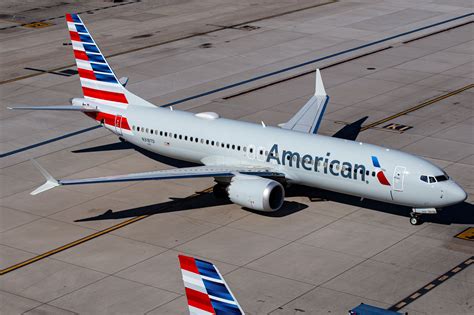
Across the global aviation industry, demand for next-generation narrowbody aircraft remains exceptionally strong. The Boeing 737 MAX and the Airbus A320neo family dominate this segment, as airlines seek aircraft capable of balancing capacity, efficiency, and operational flexibility.
American Airlines’ continued investment in the MAX platform positions the carrier to compete aggressively in a market where efficiency often determines profitability. As additional aircraft enter service and older models are phased out, the airline’s network will increasingly rely on modern jets designed for both economic performance and environmental responsibility.
The delivery of the 100th Boeing 737 MAX therefore represents more than fleet expansion—it signals a clear direction for the future. With advanced aircraft at the core of its operations, American Airlines is shaping a fleet built for efficiency, sustainability, and global connectivity in the decades ahead.