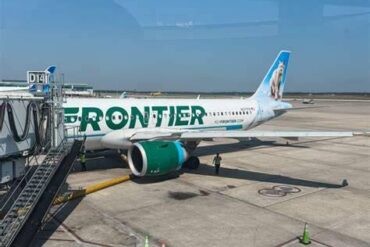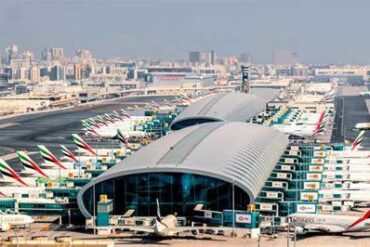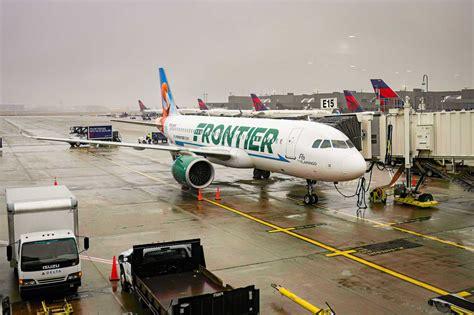
Frontier Airlines has reached a major milestone in 2026 as Hartsfield-Jackson Atlanta International Airport (ATL) becomes the airline’s busiest airport by scheduled capacity. The shift marks a significant change in Frontier’s network strategy, as Atlanta overtakes Denver International Airport, the carrier’s traditional operational stronghold. Driven by aggressive growth, market opportunities, and changing competition among low-cost airlines, Frontier’s Atlanta expansion represents one of the biggest transformations in the U.S. budget aviation sector.
For years, Denver International Airport (DEN) was considered the heart of Frontier Airlines’ operations. The airline consistently maintained more than four million annual seats from Denver, building a strong presence across domestic routes. However, while Denver’s capacity remained relatively stable, Atlanta experienced explosive growth, allowing Frontier to establish a much larger footprint in one of the world’s busiest aviation markets.
Frontier Airlines’ Record Growth at Atlanta Airport
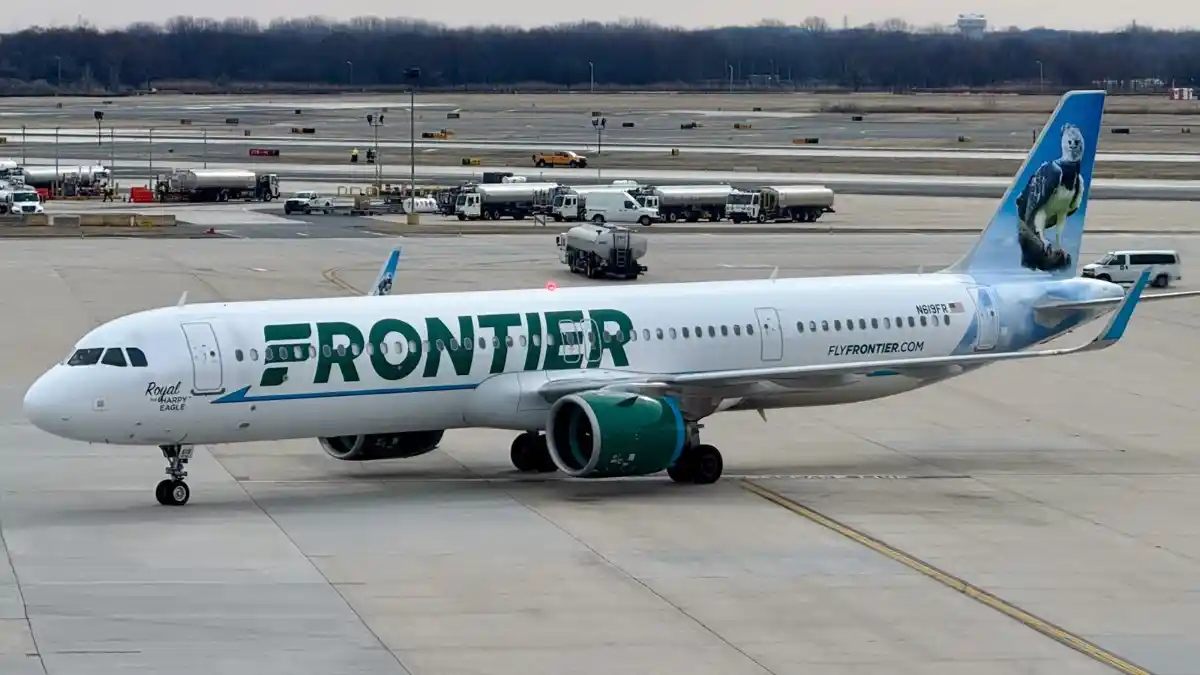
According to aviation data from Cirium, Frontier Airlines has scheduled 4.48 million one-way seats from Atlanta in 2026, surpassing Denver’s approximately 4.1 million seats. The difference represents a 6.88% capacity advantage for ATL, making Atlanta the airline’s largest base for the first time.
The scale of Frontier’s Atlanta growth is remarkable. The airline’s current capacity at ATL is nearly 287% higher than five years ago and around 128% higher than 2025 levels. Compared with pre-pandemic operations, Frontier’s Atlanta capacity has increased by more than six times, highlighting how dramatically the airline has expanded its presence in the Southeast.
The numbers show a clear contrast between Atlanta and Denver. Denver remains an important Frontier hub, but its operations have remained relatively consistent rather than experiencing rapid expansion. Atlanta, meanwhile, has become the center of Frontier’s growth strategy, supported by strong passenger demand and opportunities created by changes among competing airlines.
Beyond Atlanta and Denver, Frontier’s other major bases remain smaller. Orlando ranks third with nearly four million scheduled seats, followed by Las Vegas and Dallas Fort Worth. However, none of these airports currently approach the scale Frontier has achieved at ATL.
Why Atlanta Became Frontier’s New Growth Engine
Atlanta is one of the most competitive aviation markets in the United States. As the world’s busiest airport by passenger traffic, ATL provides airlines with access to millions of travelers and connections throughout the country. For a low-cost carrier like Frontier, the airport offers a powerful combination of demand, population growth, and opportunities to attract price-conscious passengers.
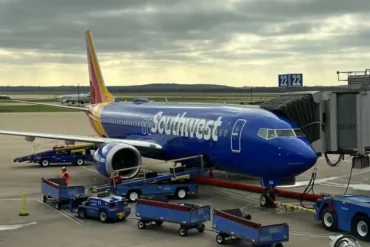
A major factor behind Frontier’s rise has been the changing competitive environment at Atlanta. Spirit Airlines, previously one of the larger low-cost operators at ATL, exited the market, removing a significant competitor. At the same time, Southwest Airlines reduced its Atlanta presence, cutting dozens of routes and lowering its number of departures compared with previous years.
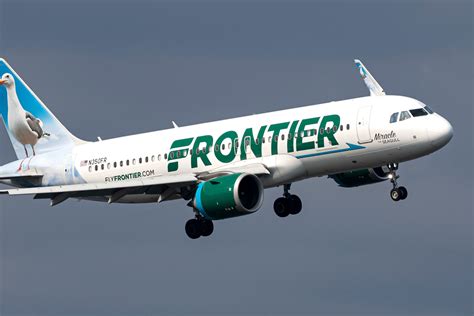
These changes created openings for Frontier to capture additional market share. Atlanta’s strong passenger demand meant that reductions from one airline could quickly create opportunities for another carrier willing to add capacity. Frontier moved aggressively into this space by adding routes and increasing flight frequencies.
The airline’s expansion also reflects a broader trend among ultra-low-cost carriers. Instead of relying only on traditional hub structures, airlines like Frontier are increasingly targeting large metropolitan markets where they can stimulate demand through affordable fares.
Frontier’s Expanding Atlanta Network in 2026
From Atlanta, Frontier now operates service to nearly 40 destinations, creating a network that connects ATL with major cities across the United States. Several routes have become particularly important contributors to the airline’s capacity growth.
The largest Frontier routes from Atlanta include services to Baltimore/Washington (BWI), Orlando (MCO), Philadelphia (PHL), Fort Lauderdale (FLL), Denver (DEN), New York LaGuardia (LGA), Houston (IAH), Dallas Fort Worth (DFW), Miami (MIA), and Tampa (TPA).
The airline’s Atlanta network includes both leisure-focused destinations and important business markets. Routes connecting Atlanta with Florida cities, Texas, and major East Coast airports allow Frontier to compete directly with larger airlines while attracting travelers seeking lower fares.
Interestingly, some of Frontier’s highest-capacity routes from Atlanta connect to the airline’s own bases, including Denver and Orlando. These interhub routes help Frontier strengthen its overall network by allowing passengers to connect between important operational centers.
Frontier’s Strategy: Growth With Careful Capacity Management
Although Frontier has expanded significantly at Atlanta, the airline has continued to adjust its network carefully. Capacity growth does not mean every route succeeds permanently. Like other low-cost carriers, Frontier frequently evaluates demand, profitability, and seasonal trends before deciding where aircraft should operate.
The airline has shifted capacity between Atlanta and Denver depending on market conditions. During certain periods, Denver still operated more weekly services, showing that Frontier continues to balance its two major bases rather than completely replacing one with the other.
Frontier has also removed some routes compared with previous years, demonstrating a flexible approach to network planning. The airline focuses on markets where low fares can generate strong demand while avoiding routes that fail to meet expectations.
What Frontier’s Atlanta Expansion Means for the Airline Industry
Frontier Airlines becoming the largest operator at Atlanta by scheduled capacity is more than a simple ranking change. It represents a major strategic victory for the airline and highlights how quickly competitive dynamics can shift in American aviation.
The growth of Frontier at ATL shows that low-cost carriers can successfully challenge established airlines in major airports. By combining affordable fares, network flexibility, and aggressive capacity growth, Frontier has transformed Atlanta into the foundation of its future expansion plans.
As 2026 continues, Atlanta will likely remain one of the most important airports in Frontier’s network. The airline’s ability to maintain this momentum will depend on balancing growth with profitability, but its rise at ATL has already changed the competitive landscape of one of the world’s most important aviation hubs.