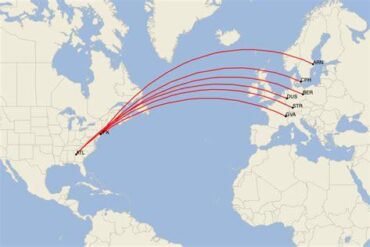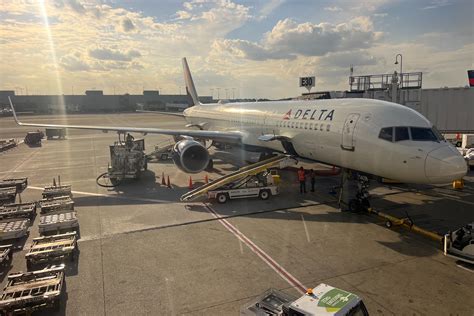
Hartsfield-Jackson Atlanta International Airport is surging into winter with a transatlantic schedule that reshapes its role on the global aviation map. The airport, which is on pace to serve 110 million passengers this year, has long been defined by its dense domestic network. Yet the current season marks a decisive shift, with a 12% increase in weekly transatlantic flights compared to the same period last year. This growth reflects strategic expansion by Delta Air Lines, rising competition from global carriers, and new long-haul connectivity that strengthens Atlanta’s position as a powerhouse gateway between the United States and Europe, Africa, and the Middle East.
As the world’s busiest airport, Atlanta has always embraced scale, but this year’s winter schedule signals something more ambitious. Delta is deploying new African connections, Middle Eastern carriers are strengthening their foothold, and established European routes are receiving more capacity. Together, they form a network that demonstrates Atlanta’s growing importance as a transatlantic springboard.
New Routes Reinforcing Atlanta’s Global Reach
Delta’s seasonal launch of service to Marrakech in October laid the foundation for this winter’s transatlantic evolution. Operated three times weekly with a Boeing 767-400ER, the route introduces nonstop access to Morocco’s iconic red city, a destination whose rising popularity among American travelers has made it an emerging star in the transatlantic leisure market. Though listed as seasonal, performance indicators over the next several months will determine whether the route becomes a permanent fixture.
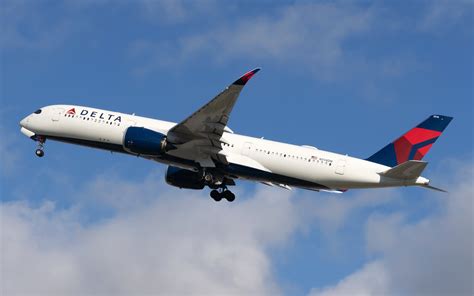
Shortly after, Atlanta celebrated the relaunch of Delta’s Accra service—its first nonstop flight to Ghana from the airport since 2012. The Airbus A330-900 now connecting the two cities reflects Delta’s ongoing strategy to become the largest U.S. carrier to Africa, a point emphasized by CEO Ed Bastian, who highlighted the airline’s longstanding commitment to the continent. The new Accra route complements Delta’s year-round service from New York JFK, reinforcing a broader push to serve both diaspora passengers and business travelers engaging with West Africa’s fast-growing economies.
Etihad Strengthens Middle Eastern Connectivity
Competition in long-haul service expanded further when Etihad Airways joined Qatar Airways as the second Middle Eastern carrier at Atlanta. Etihad launched its Abu Dhabi service in July with four weekly flights, but rising demand has already pushed the route to daily frequency, operated by the Airbus A350-1000. This adjustment underscores the strong transatlantic and trans-Gulf flows now taking shape through Atlanta, providing travelers with seamless access to South Asia, the Middle East, and beyond.
Etihad’s move supports a broader pattern taking root: Atlanta is evolving from a domestic super-hub into a balanced intercontinental gateway. The daily Abu Dhabi service not only provides substantial capacity but also signals confidence in Atlanta’s appeal as a strategic U.S. anchor point for global connectivity.
Frequency Boosts Across Key European and African Gateways
While new destinations help expand the airport’s reach, frequency increases on existing routes elevate Atlanta’s competitive edge. Delta alone has added ten extra weekly flights across five transatlantic routes. Barcelona, Dublin, Madrid, Cape Town, and Rome—all destinations with strong mix-demand profiles—will now see improved schedules that offer travelers more flexibility and consistency.
The Atlanta–Cape Town adjustment is particularly notable. Delta increased service to the South African leisure hotspot from three to five flights weekly while reducing Johannesburg frequencies. This capacity shift reflects a precise and strategic response to seasonal travel behavior, particularly for North American tourists seeking Southern Hemisphere summer escapes.
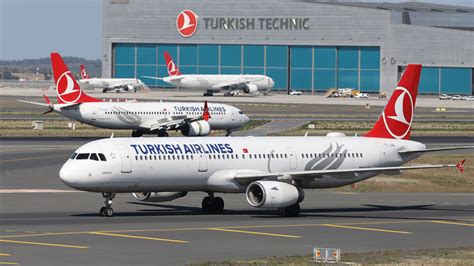
Turkish Airlines has strengthened its own footprint as well, expanding its Istanbul service from daily flights to nine per week. The carrier’s combined use of the Boeing 777-300ER and 787-9 provides capacity tailored to demand, while Istanbul’s position as a global crossroads makes the expansion a natural fit for Atlanta’s rising international presence.
By the numbers, weekly transatlantic flights from Atlanta have grown from 187 to 209 year-over-year. Available seats have climbed 13%, reaching nearly 60,000. This rise pushes Atlanta past Miami in the rankings of busiest U.S. transatlantic gateways, solidifying its position just behind Boston.
Momentum Building Toward an Even Larger 2026 Network
Atlanta’s transatlantic surge is not limited to this winter. The airport is set for even more substantial growth in 2026 as Delta prepares for its largest transatlantic schedule to date. Summer seasonal favorites such as Athens, Brussels, Edinburgh, Naples, Nice, and Zurich will return, bringing back essential connectivity to Europe’s most in-demand cultural and leisure destinations.
Delta will also restart its Atlanta–Tel Aviv route on April 15, using the Airbus A350-900 three times weekly. The restart follows the airline’s relaunch of daily New York JFK–Tel Aviv service earlier this year and reflects confidence in renewed U.S.–Israel demand.
Perhaps the most eye-catching development for 2026 is Delta’s planned launch of service from Atlanta to Riyadh, beginning in October. The new route will use the A350-900 and operate three times weekly. More than an addition to the map, the route represents the deepening partnership between Delta and Riyadh Air, the ambitious Saudi startup carrier preparing for commercial launch. The move aligns with Saudi Arabia’s massive tourism and business-development strategies, positioning Atlanta as a key U.S. entry point in this emerging global corridor.
Speculation Builds Around New Ultra-Long-Haul Possibilities
Adding intrigue to Atlanta’s evolving network is Delta’s expected delivery of its first Airbus A350-1000s next year. With 20 aircraft on order, the discussion around potential ultra-long-haul routes is accelerating. Based on Delta leadership’s earlier remarks, an Atlanta–India connection—likely to Mumbai—is a leading candidate. Historically, Delta operated the route before the pandemic and subsequent retirement of its Boeing 777-200LR fleet. The A350-1000 offers the range and efficiency needed to bring the route back, particularly with IndiGo as a strategic partner capable of feeding connecting traffic across India’s domestic network.
Should Delta activate such routes, Atlanta’s international landscape would shift once again, anchoring the airport even more firmly as a global gateway bridging the U.S. with South Asia.
Atlanta’s Transatlantic Future
Winter schedules often reveal deeper strategic intent in global aviation, and Atlanta’s is signaling unmistakable forward momentum. New routes, rising frequencies, renewed long-haul ambitions, and strengthened alliances are collectively redefining the airport’s profile.
As 2026 approaches, the airport’s transatlantic growth no longer feels incremental; it feels transformative. The world’s busiest airport is rapidly becoming one of its most globally connected, opening fresh possibilities for travelers, businesses, and international partnerships that will shape Atlanta’s role in global mobility for years ahead.