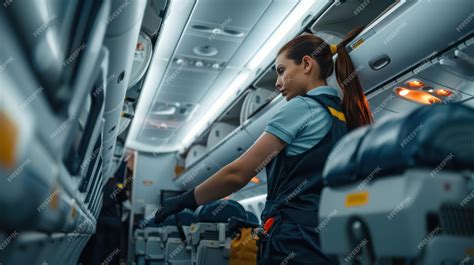
The aviation industry has staged a remarkable recovery since the collapse of global travel demand during the pandemic years, yet beneath the surface of record revenues and packed premium cabins lies a constraint that is far less visible than grounded aircraft or delayed deliveries. The growing shortage of flight attendants has emerged as one of the most decisive bottlenecks shaping how—and how fast—US airlines can expand their long-haul networks. It is a problem not defined by a lack of ambition or even aircraft, but by the simple reality that planes cannot legally or safely fly without enough trained cabin crew on board.
This constraint is particularly acute in the United States, where airlines are attempting to capitalize on renewed demand for international travel, especially in high-margin premium cabins. While industry attention has largely focused on pilot shortages and air traffic control staffing gaps, the cabin crew workforce has quietly become the limiting factor that determines whether a new long-haul route launches—or never leaves the planning stage.
The implications ripple far beyond staffing departments. Route networks, fleet utilization, customer experience, and profitability are all being reshaped by a workforce dynamic that is proving far more complex than simply “hiring more people.”
A Recovered Industry Facing Hidden Structural Constraints
Air travel demand has rebounded sharply since 2022, with international and premium segments leading the recovery. Airlines have leaned heavily into business class and premium economy offerings, recognizing their outsized contribution to profitability. Widebody aircraft such as the Boeing 787 Dreamliner and Airbus A350 are increasingly central to this strategy, enabling efficient long-haul operations across continents.
Yet this recovery has not been frictionless. Supply chain disruptions, delayed aircraft deliveries, and engine reliability issues have constrained fleet growth. At the same time, geopolitical tensions and fluctuating fuel prices have added layers of operational uncertainty. Despite these challenges, airlines have still managed to post strong financial results, with global profits reaching impressive levels.
However, financial strength does not automatically translate into operational flexibility. Airlines may have aircraft ready, routes mapped, and demand validated—but without sufficient cabin crew, expansion stalls. Unlike other constraints that can be mitigated through leasing aircraft or adjusting schedules, crew shortages directly impact regulatory compliance and safety requirements, leaving little room for workaround solutions.
Why Flight Attendants Are Critical to Long-Haul Growth
The importance of flight attendants becomes exponentially greater on long-haul routes. Aviation regulations in most jurisdictions require a minimum ratio of one flight attendant per 50 passengers, but long-haul flights introduce additional complexity. These flights often exceed 12 hours, necessitating augmented crews to allow for rest periods and rotation.
This means that a single long-haul flight may require double the standard number of cabin crew, instantly amplifying staffing needs. For widebody aircraft carrying 250 to 350 passengers, the difference between a short-haul and long-haul crew requirement is not incremental—it is transformative.
In practical terms:
- A narrowbody domestic flight may require 4–6 flight attendants
- A long-haul widebody flight may require 12–16 or more
- Each aircraft needs multiple full crews to maintain daily operations
This scaling effect explains why even a modest shortage of flight attendants can derail long-haul expansion plans entirely. Airlines cannot simply “stretch” existing staff without risking fatigue, regulatory violations, or service degradation.
The Post-Pandemic Workforce Gap That Never Fully Closed
During the pandemic, airlines aggressively reduced staffing levels through layoffs, furloughs, and early retirement programs. Flight attendants, many of whom had years of experience, exited the industry in large numbers. When demand returned faster than expected, airlines faced a difficult reality: the workforce pipeline had been disrupted, and rebuilding it would take years, not months.
Training new flight attendants is neither quick nor simple. The process typically involves:
- Intensive multi-week training programs
- Safety and emergency procedure certification
- Customer service and operational training
- High attrition during training due to strict standards
Even after successful training, new hires require time to gain experience and integrate into complex scheduling systems. Meanwhile, ongoing attrition continues to erode gains, as many flight attendants leave the profession due to lifestyle challenges, pay concerns, or burnout.
The result is a persistent gap. Industry estimates suggest that nearly 20,000 additional flight attendants will be needed in the US by 2032, just to meet baseline demand and replace retirees.
The Economics of Recruitment and Retention
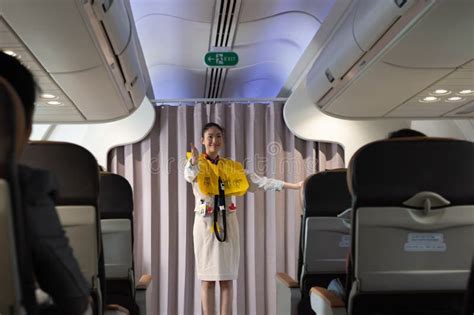
Recruiting flight attendants has become a significantly more expensive and competitive process. Airlines now host large-scale recruitment events, often in major cities, attracting hundreds or thousands of applicants. Yet only a small percentage ultimately qualify.
The cost structure is substantial:
- Recruitment events and screening processes
- Training programs lasting several weeks
- Uniforms, travel benefits, and onboarding logistics
- Housing or relocation support in some cases
Beyond hiring, retention has become the more pressing issue. Flight attendant turnover rates remain high, driven by demanding schedules, irregular hours, and the physical toll of constant travel across time zones.
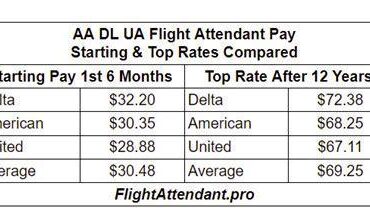
Compensation has become a central point of tension. Many flight attendants are traditionally paid only from door closure to door opening, meaning boarding time and delays often go uncompensated. This long-standing practice has fueled union negotiations and, in some cases, labor unrest.
Airlines are increasingly being forced to respond with:
- Higher base pay
- Signing bonuses
- Improved benefits and scheduling flexibility
These changes, while necessary, further increase operational costs, creating a delicate balance between staffing needs and financial performance.
Why the US Is Particularly Vulnerable
The United States faces a unique convergence of factors that amplify the impact of flight attendant shortages. Unlike some international carriers—such as Emirates or Qatar Airways, which benefit from strong global recruitment pipelines and attractive compensation packages—US airlines operate within a more constrained labor market.
Additionally, immigration policies and visa limitations can restrict access to international talent pools, making it harder to scale staffing quickly. Combined with rising living costs in major airline hubs like New York, Los Angeles, and San Francisco, the profession becomes less financially attractive for new entrants.
At the same time, US airlines are aggressively pursuing long-haul growth, particularly across the Atlantic and into Asia-Pacific markets. This creates a mismatch: ambitious network expansion plans collide with limited crew availability, forcing airlines to make difficult decisions about which routes to prioritize.
Operational Consequences: Delays, Cancellations, and Missed Opportunities
The most immediate impact of flight attendant shortages is operational disruption. Flights may be delayed or canceled simply because there are not enough qualified crew members available. Unlike mechanical issues, these disruptions can be unpredictable and difficult to resolve quickly.
More strategically, airlines are being forced to:
- Delay the launch of new long-haul routes
- Reduce flight frequencies on existing routes
- Limit aircraft utilization despite available capacity
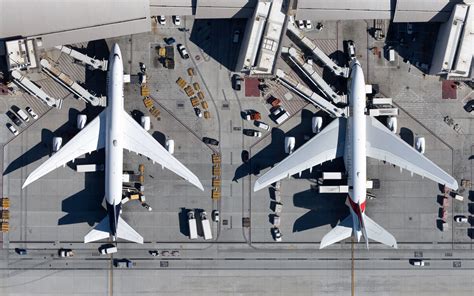
This leads to a paradox: airlines may own or lease state-of-the-art widebody aircraft but still be unable to deploy them effectively. In an industry where margins depend heavily on maximizing asset utilization, this inefficiency carries significant financial implications.
The Global Context: A Competition for Talent
The shortage of flight attendants is not confined to the United States. Globally, the aviation industry is projected to require over 600,000 new cabin crew members in the coming decade. Regions experiencing rapid aviation growth—such as the Middle East, India, and Southeast Asia—are aggressively recruiting to support expanding fleets.
Airlines like Emirates have demonstrated how scale magnifies staffing needs. Each new widebody aircraft requires multiple complete crews, and with dozens of aircraft deliveries scheduled, the demand for cabin crew becomes enormous.
What sets these carriers apart is their ability to attract talent through compelling packages, including:
- Tax-free salaries
- Free accommodation
- Travel benefits and allowances
This creates a competitive global labor market in which US airlines must compete not only with each other but with some of the most attractive employment packages in the industry.
The Human Factor Behind the Numbers
Behind every statistic is a workforce navigating a uniquely demanding profession. Flight attendants operate in an environment that combines safety-critical responsibilities with high expectations for customer service. They manage emergencies, ensure regulatory compliance, and deliver hospitality—all while coping with jet lag, time zone shifts, and irregular schedules.
The glamorous perception of the role often fades quickly in the face of reality. Long duty days, minimal rest periods, and constant travel can take a toll, leading many to leave the profession within a few years. This cycle reinforces the shortage, as recruitment efforts must continuously outpace attrition just to maintain equilibrium.
Strategic Adjustments: How Airlines Are Responding
Airlines are not standing still in the face of this challenge. A range of strategies is being deployed to mitigate the impact of flight attendant shortages and sustain long-haul growth ambitions.
Some carriers are investing heavily in training infrastructure, expanding capacity to process more recruits simultaneously. Others are revising compensation structures to improve retention and attract new candidates.
Operationally, airlines are becoming more selective in route planning, prioritizing high-yield markets where limited crew resources can generate maximum returns. There is also a growing emphasis on schedule optimization, ensuring that existing crew are utilized as efficiently as possible without compromising safety or well-being.
Technology may also play a role, particularly in crew scheduling and management systems, helping airlines better allocate resources and anticipate staffing gaps.
The Long-Term Outlook: A Structural Constraint, Not a Temporary Glitch
The flight attendant shortage is unlikely to resolve quickly. Unlike cyclical challenges such as fuel price fluctuations or seasonal demand shifts, this is a structural issue rooted in workforce dynamics, training pipelines, and industry economics.
As demand for long-haul travel continues to grow, particularly in premium segments, the pressure on cabin crew staffing will only intensify. Airlines that fail to address this challenge effectively risk falling behind competitors that can better align workforce capacity with strategic ambitions.
At the same time, the shortage may act as a natural limiter on overexpansion, forcing airlines to adopt more disciplined growth strategies. In a way, the constraint imposed by cabin crew availability could lead to more sustainable network development, even if it slows short-term expansion.
Conclusion: The Quiet Force Shaping the Future of Long-Haul Aviation
The narrative of modern aviation often revolves around aircraft technology, fuel efficiency, and passenger experience innovations. Yet one of the most decisive factors shaping the industry’s future is far more human. Flight attendants—often overlooked in strategic discussions—have become the linchpin of long-haul expansion.
Without sufficient cabin crew, even the most advanced aircraft remain grounded, and the most promising routes remain theoretical. The shortage is not merely an operational inconvenience; it is a defining constraint that influences how airlines grow, compete, and deliver value in an increasingly complex global market.
As airlines navigate this challenge, the path forward will depend on their ability to rethink recruitment, improve retention, and elevate the role of flight attendants within the broader aviation ecosystem. Those that succeed will not only unlock new routes but also redefine what sustainable growth looks like in the post-pandemic era.