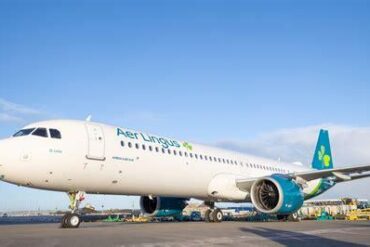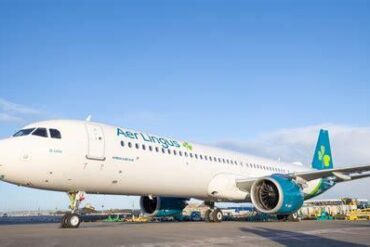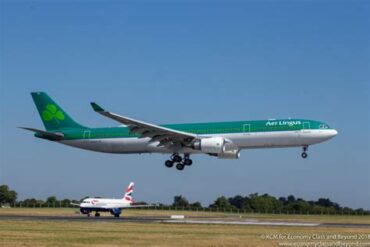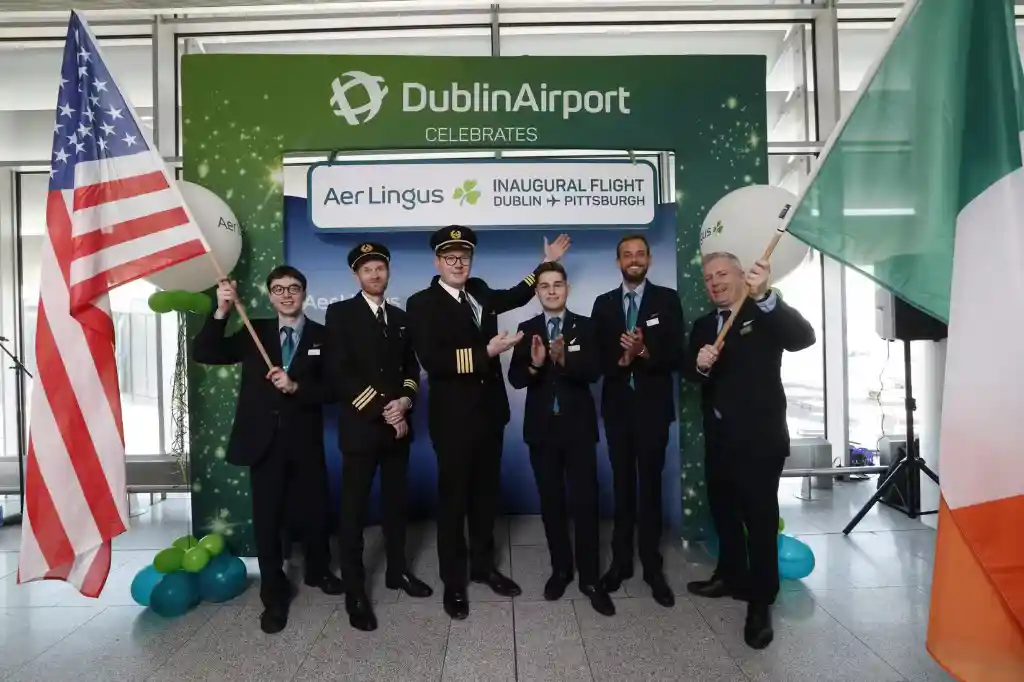
Aer Lingus has officially expanded Pittsburgh International Airport’s global reach with the launch of a new nonstop route between Dublin and Pittsburgh, marking a significant milestone for the Pennsylvania city. The service not only introduces Pittsburgh’s first-ever direct connection to Ireland, but also restores a level of long-haul international connectivity the airport has not seen in seven years.
The inaugural flight departed Dublin Airport on May 25 and arrived in Pittsburgh after a journey of just over seven hours, opening a new gateway between western Pennsylvania and Europe. For Pittsburgh, a city long associated with industrial strength and economic reinvention, the arrival of Aer Lingus represents another chapter in its transformation into an increasingly connected international destination.
The new route becomes Aer Lingus’ 24th North American destination from Ireland and strengthens the carrier’s growing transatlantic network. More importantly for Pittsburgh travelers, it increases the airport’s portfolio of nonstop long-haul services to three, a benchmark last achieved before significant changes reshaped the city’s international route map.
Aer Lingus Brings Ireland Closer to Pittsburgh
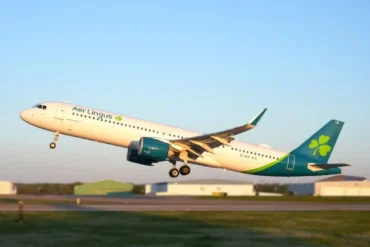
Aer Lingus is operating the Dublin–Pittsburgh route year-round using its Airbus A321LR fleet, one of the most capable long-range narrowbody aircraft currently in commercial service. The aircraft allows airlines to profitably connect secondary cities across the Atlantic without requiring larger widebody jets.
The airline has scheduled four weekly flights and plans more than 120 departures from Dublin through the end of 2026. The consistency of the operation signals confidence in both business and leisure demand between Ireland and western Pennsylvania.
For passengers, the route offers far more than a simple city-pair connection. Dublin serves as a major transatlantic hub where travelers can access destinations across Ireland, the United Kingdom, and continental Europe. This network connectivity significantly enhances travel options for Pittsburgh residents while also making the city more accessible to European visitors.
Aer Lingus executives have emphasized that the service is designed to strengthen passenger flows between North America and Europe through Dublin’s efficient transfer infrastructure. As a result, Pittsburgh gains access to a much wider network than a single nonstop route might initially suggest.
Pittsburgh Now Has Three Long-Haul International Airlines
The addition of Aer Lingus means Pittsburgh once again hosts three separate long-haul international operators, a distinction that highlights the airport’s improving position within global aviation networks.
Alongside Aer Lingus, Icelandair continues to connect Pittsburgh with Reykjavík Keflavík Airport. The Icelandic carrier operates seasonal flights using Boeing 737 MAX 8 aircraft, linking the city with Iceland and providing onward connections throughout Europe.
Meanwhile, British Airways remains the airport’s largest and most established long-haul operator. The carrier maintains year-round service between Pittsburgh and London Heathrow, one of the world’s most important aviation hubs.
Unlike Aer Lingus and Icelandair, which rely primarily on narrowbody aircraft, British Airways deploys widebody Boeing 787 Dreamliners on the route. The airline utilizes all three Dreamliner variants during the year, including the 787-8, 787-9, and 787-10.
The 787-8 remains the dominant aircraft on the service due to its ideal combination of capacity and range. However, the periodic appearance of larger variants reflects fluctuations in seasonal demand and demonstrates British Airways’ flexibility in matching aircraft size to market conditions.
Together, these three airlines provide Pittsburgh with direct access to Ireland, Iceland, and the United Kingdom, creating a stronger international foundation than the airport has enjoyed for years.
Why This Route Matters Beyond Aviation
The significance of the new Dublin service extends well beyond airline schedules.
International air connectivity often serves as a key indicator of a region’s economic attractiveness. Direct flights can stimulate tourism, encourage foreign investment, strengthen corporate relationships, and improve access for multinational companies.
Pittsburgh has spent decades diversifying its economy away from traditional heavy industry. Today, the city is recognized for sectors such as healthcare, education, robotics, artificial intelligence, and advanced manufacturing. Enhanced international connectivity supports these industries by making global travel more efficient for both business leaders and researchers.
The route also carries cultural significance. Pennsylvania has deep historical and ancestral connections to Ireland, and the availability of nonstop flights is expected to boost both leisure travel and heritage tourism.
For inbound visitors, Pittsburgh offers a growing mix of attractions, including its celebrated sports culture, vibrant downtown districts, renowned universities, and iconic riverfront landscapes. Easier access from Europe could further elevate the city’s profile on the international tourism map.
A Seven-Year Return to Three Long-Haul Routes
The achievement becomes even more notable when viewed through historical context.
Back in 2019, Pittsburgh also had three long-haul international routes, but the lineup looked very different. British Airways was already serving London, while Iceland connections were operated by the now-defunct WOW Air rather than Icelandair.
At the same time, German leisure airline Condor linked Pittsburgh with Frankfurt using Boeing 767 aircraft. Those services provided valuable connectivity to continental Europe but eventually disappeared as airline networks evolved and market conditions changed.

Following those changes, Pittsburgh’s long-haul portfolio contracted. For several years, the airport relied heavily on British Airways as its primary international long-haul carrier.
The arrival of Aer Lingus therefore represents more than the launch of a new route. It symbolizes the restoration of international connectivity that many regional leaders and aviation observers have worked toward for years.
A Stronger Future for Pittsburgh’s Global Network
Aer Lingus’ entry into the Pittsburgh market demonstrates how modern long-range narrowbody aircraft are reshaping transatlantic aviation. Routes once considered too small for widebody operations can now be served efficiently, opening opportunities for cities that previously struggled to attract international airlines.
For Pittsburgh International Airport, the Dublin service is both a practical transportation link and a strategic victory. It strengthens the airport’s European footprint, expands travel choices for local residents, and reinforces the city’s growing relevance in the global economy.
After seven years without three active long-haul international operators, Pittsburgh has finally regained a milestone that reflects renewed confidence in the region’s future. With Aer Lingus joining British Airways and Icelandair, the city’s international aviation landscape has entered a new phase of growth, connectivity, and opportunity.