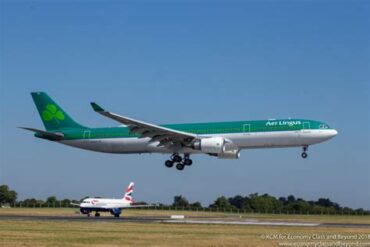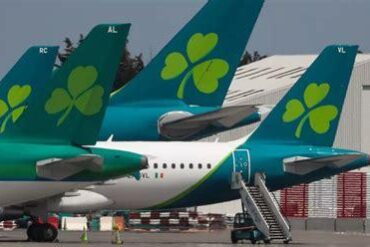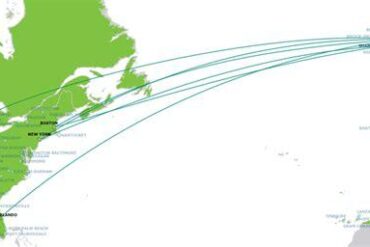
Aer Lingus is stepping into uncharted territory for summer 2026, unveiling a transatlantic schedule that signals both ambition and precision. With 20 US routes, over 4,000 flights, and more than 1 million seats in a single quarter, the Irish flag carrier is not just expanding—it is redefining how mid-sized airlines compete across the Atlantic. The scale alone is striking, but the strategy behind it is even more compelling: this is growth shaped by geography, aircraft innovation, and a deliberate focus on underserved markets.
The third quarter has always been the financial heartbeat of long-haul aviation, and Aer Lingus is clearly positioning itself to capitalize on that peak demand. A 21% year-on-year increase in flights is not incremental—it’s a decisive leap. Compared to just five years ago, the airline’s US operations have expanded by nearly 70%, transforming it from a niche connector into a formidable transatlantic player.
What makes this expansion particularly bold is its timing. Aer Lingus has simultaneously withdrawn from its Manchester long-haul base, consolidating operations back to Ireland. Rather than spreading resources thin, the airline has chosen focus over fragmentation—and Dublin is now doing the heavy lifting in a way few European hubs of its size can match.
Dublin’s Strategic Rise as a Transatlantic Super Connector
Dublin Airport is no longer just a national hub—it is becoming a high-efficiency transatlantic gateway. Its advantage lies not only in geography but in passenger experience. With US preclearance facilities, travelers effectively arrive in the United States as domestic passengers, bypassing long immigration queues after landing. That alone reshapes the competitive landscape.
Aer Lingus has leaned heavily into this advantage. Instead of forcing passengers through mega-hubs like Heathrow or Frankfurt, it offers shorter, smoother itineraries between North America and Europe. The result is a value proposition built not purely on price, but on time and convenience—two currencies that matter deeply to modern travelers.
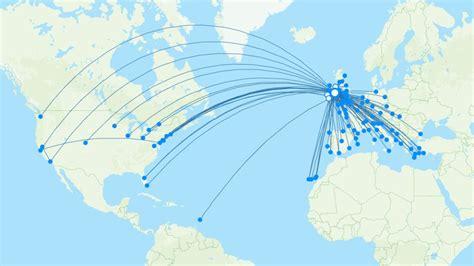
From Dublin, the airline will operate 18 distinct US routes in summer 2026, ranging from legacy heavyweights to emerging secondary markets. Major cities like New York, Boston, and Chicago continue to anchor the network with multiple daily frequencies, ensuring strong baseline demand and connectivity. Yet the real story unfolds beyond these giants.
A Network Expanding Beyond the Obvious
Aer Lingus is no longer content with the traditional transatlantic playbook. Instead of focusing solely on high-density routes, it is building a densely woven network of secondary US cities, each carefully selected for economic ties, diaspora connections, or growth potential.
Destinations like Cleveland, Minneapolis, and Hartford may not dominate headlines, but they represent a powerful shift in strategy. These are markets where nonstop service was once considered marginal or even unviable. Now, they are central to Aer Lingus’ expansion.
This shift is not accidental—it is enabled by aircraft evolution.
The A321LR and XLR: Small Aircraft, Massive Impact
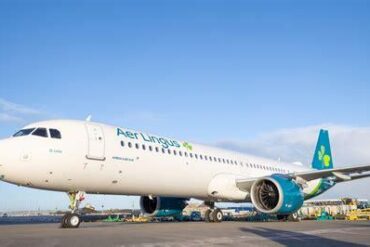
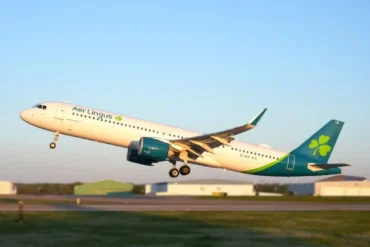
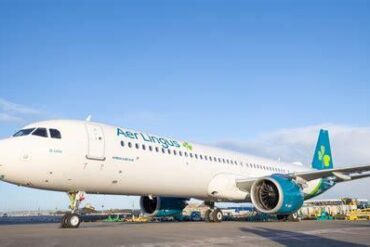
The introduction of the Airbus A321LR and A321XLR has quietly revolutionized long-haul aviation, and Aer Lingus is among the airlines leveraging them most effectively. With a fleet of these narrowbody long-haul aircraft, the airline can right-size capacity while maintaining profitability on thinner routes.
Unlike widebody jets, which require consistently high demand to remain viable, these aircraft allow Aer Lingus to experiment, adapt, and scale. That’s why the percentage growth in flights consistently outpaces seat capacity—the airline is flying more often, but with smaller, more efficient planes.
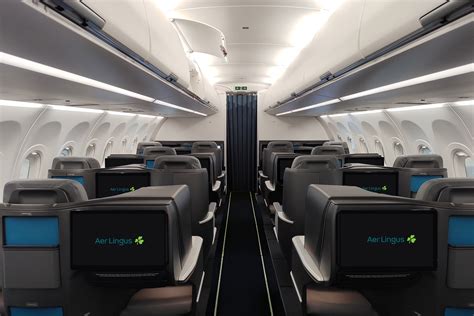
The implications are profound. Routes that would have been dismissed a decade ago are now not only feasible but strategically valuable. Cities like Indianapolis and Nashville are no longer peripheral—they are integral nodes in a growing network.
Nashville, Indianapolis, and the New Frontier
Among the standout additions, Nashville represents a milestone. Operated by the A321XLR, it pushes the aircraft’s range capabilities while tapping into a city experiencing rapid economic and cultural growth. The direct connection to Dublin eliminates the need for cumbersome transfers, making travel significantly more appealing for both business and leisure passengers.
Similarly, Indianapolis reflects Aer Lingus’ confidence in secondary markets with strong industrial and corporate ties. These routes are not speculative—they are calculated bets backed by data, demand forecasting, and a clear understanding of transatlantic travel patterns.
The strategy also extends to Raleigh-Durham, one of the fastest-growing regions in the United States. Known for its concentration of tech firms, research institutions, and universities, the “Research Triangle” offers a steady stream of premium and business traffic.
Raleigh-Durham and Pittsburgh: Smart Additions with Long-Term Potential
The launch of Raleigh-Durham (RDU) is more than just another route—it’s a signal of intent. Operating five times weekly with the A321XLR, it highlights Aer Lingus’ ability to penetrate high-growth regions that are underserved by direct European connections.

Meanwhile, Pittsburgh adds a different dimension. With four weekly flights, it gains its first-ever nonstop link to Ireland, opening up seamless connections to Europe via Dublin. For travelers in the Midwest, this means avoiding congested US hubs and enjoying a more streamlined journey.
These routes are not just about passenger numbers—they generate real economic impact. The Cleveland route alone reportedly contributed around $28 million to the local economy within its first 18 months, illustrating how aviation connectivity fuels regional growth.
Balancing Legacy Strength with Modern Flexibility
Despite the focus on new markets, Aer Lingus has not neglected its core routes. High-demand sectors like New York (21 weekly flights) and Boston (18 weekly flights) remain pillars of the network. These routes ensure consistent revenue while supporting the broader system through connectivity.
The airline’s ability to balance legacy strength with innovative expansion is what sets it apart. It is neither abandoning tradition nor clinging to it—it is evolving with purpose.
Shannon’s Steady Role in a Dublin-Dominated Strategy
While Dublin commands the spotlight, Shannon Airport continues to play a niche but meaningful role. Its long-standing links to New York JFK and Boston maintain historical continuity and regional accessibility. Operated with the A321LR, these routes reinforce Aer Lingus’ commitment to serving Ireland beyond the capital, even as Dublin drives the majority of growth.
A Transatlantic Model Built for the Future
Aer Lingus’ summer 2026 schedule is not just its largest—it is its most strategically refined. By combining geographic advantage, efficient aircraft, and targeted market selection, the airline has created a model that is both scalable and resilient.

The broader implication is clear: the transatlantic market is no longer dominated solely by mega-hubs and massive aircraft. There is room—significant room—for agile carriers that connect the dots others overlook.
Aer Lingus is proving that size is not the only determinant of influence. With the right tools and a sharp strategy, even a mid-sized airline can redraw the map of transatlantic travel. And in summer 2026, that map looks unmistakably greener—and far more connected—than ever before.