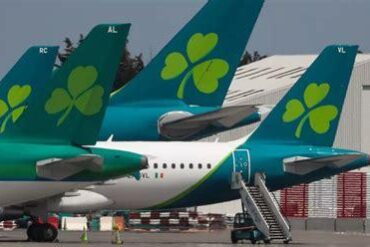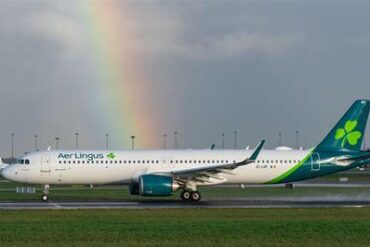
An Aer Lingus Regional flight en route from Leeds Bradford Airport (LBA) to Belfast City Airport was forced to return and perform an emergency landing just minutes after departure on Thursday, June 5. The flight, operating under the code EI3673, had departed at 12:40pm but was back on the ground by 12:53pm, sparking concern among passengers and aviation watchers alike.
The situation unfolded rapidly, prompting a swift but well-coordinated response from airport authorities and emergency services. Though no injuries or active threats were reported, the incident highlights ongoing challenges in regional aviation safety and aircraft maintenance protocols.
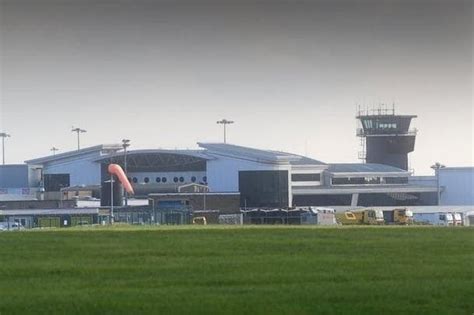
Emergency Landing Executed with Precision at Leeds Bradford Airport
According to FlightRadar24 tracking data, flight EI3673 showed a brief trajectory over the skies of West Yorkshire before looping back toward Leeds Bradford Airport. At 12:53pm, the aircraft touched down safely. By 12:58pm, West Yorkshire Fire and Rescue Service had arrived at the scene, though they later confirmed that “no action was taken”, indicating the emergency had been contained without the need for external intervention.
In an official statement, a spokesperson for Leeds Bradford Airport said:
“A flight had to make an emergency landing at Leeds Bradford Airport this afternoon, this was dealt with in line with our emergency procedures. We are working to ensure the affected passengers can continue their journey as soon as possible.”
The flight was operated by Emerald Airlines under the Aer Lingus Regional brand, a key provider of regional connectivity for Ireland and the UK. The airline confirmed that the return was prompted by a technical issue and emphasized that the landing was a precautionary measure.
What Caused the Emergency? A Precautionary Response to a Technical Fault
While the exact nature of the technical issue remains undisclosed, the quick return and controlled landing suggest a potentially minor but critical fault. Modern aircraft systems are equipped with automated diagnostics capable of identifying irregularities early, allowing pilots to make real-time decisions that prioritize safety.
Emerald Airlines issued the following statement:
“Aer Lingus Regional, operated by Emerald Airlines, can confirm that flight EI3673 from Leeds Bradford to Belfast City Airport returned to Leeds shortly after take-off as a precautionary measure due to a technical issue onboard. The aircraft landed normally. Passengers will be offered alternative arrangements. We apologise for any inconvenience caused to our passengers and thank them for their patience.”
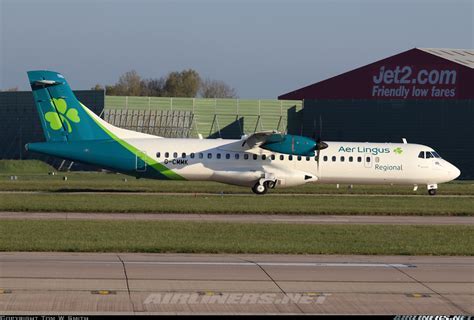
The statement underscores two key points: that the issue was significant enough to warrant immediate action, but not so critical as to compromise the integrity of the landing. The crew’s decision to return swiftly suggests a commendable adherence to aviation safety protocols, which prioritize human life over itinerary schedules.
Leeds Bradford Airport’s Emergency Response Protocols
Leeds Bradford Airport is no stranger to operational challenges, especially given its elevated location and weather variability. The airport has invested heavily in emergency preparedness, with clear-cut protocols for handling in-flight incidents. In Thursday’s incident, all involved parties—from air traffic control to ground emergency units—executed their roles without delays.
The arrival of West Yorkshire Fire and Rescue Service within five minutes of the plane’s landing further demonstrates the responsiveness and readiness of support systems stationed at the airport. That no action was ultimately needed is a testament to the flight crew’s handling of the situation and the aircraft’s technical resilience.
Aer Lingus Regional and Emerald Airlines: Operational Landscape
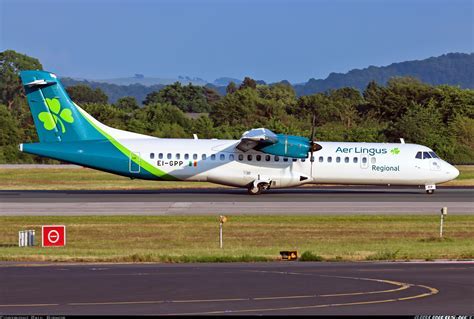
Emerald Airlines, which operates under the Aer Lingus Regional brand, has quickly become a central player in regional travel across the British Isles. Launched in early 2022 as Aer Lingus’ sole regional partner, Emerald operates flights using ATR 72-600 turboprop aircraft, known for their fuel efficiency and short-haul reliability.
However, even newer aircraft can experience technical anomalies, especially under the strain of multiple short daily rotations. The airline has a generally solid track record, but this incident will likely prompt a review of aircraft health monitoring systems, maintenance checks, and in-flight alert thresholds.
Passenger Disruption and Alternative Arrangements
Passengers aboard flight EI3673 experienced an abrupt halt to their journey but were reportedly kept informed throughout. The airline has confirmed it will provide alternative travel arrangements, though specifics have not yet been detailed publicly.
For many passengers, the short flight from Leeds to Belfast is a routine commuter hop, often used for business travel, family visits, or as a connector to international departures from Belfast City Airport. Delays, though frustrating, are generally tolerated when accompanied by transparency and clear communication—as appears to have been the case here.
Several passengers took to social media to express both concern and gratitude. One user, identified as @JennaLBA, tweeted:
“Scary 10 minutes up in the air but major props to the crew for bringing us down safely. Bit shaken but grateful. #AerLingus #LBA #EmergencyLanding”
Aviation Safety: Always Under the Microscope
The aviation industry is one of the most tightly regulated sectors in the world. While emergencies such as this are rare, they serve as crucial case studies for flight safety audits, aircraft performance analysis, and crew training assessments.
In the wake of the incident, it’s likely that Emerald Airlines, Aer Lingus, and possibly the UK Civil Aviation Authority (CAA) will conduct an internal investigation to determine the root cause. If a specific system or mechanical part is found responsible, fleet-wide inspections could follow to preempt any recurrence.
Statistically, air travel remains the safest form of transportation, with fewer incidents per mile traveled than any other mode. That said, public confidence hinges on accountability, rapid communication, and demonstrable responsiveness—qualities Aer Lingus and Leeds Bradford Airport both displayed in this scenario.
Recent Safety Records at Leeds Bradford Airport
Leeds Bradford Airport has a generally strong safety record. While it contends with unique weather patterns and a relatively short runway, it remains compliant with all UK and European Union Aviation Safety Agency (EASA) standards.
In recent years, the airport has undergone significant infrastructure upgrades, including runway resurfacing, improved lighting systems, and the addition of advanced radar and navigation aids. Thursday’s incident marks the first significant emergency landing at LBA in 2025, drawing extra scrutiny but also reinforcing its reputation for fast, competent incident response.
What Comes Next for Aer Lingus and Emerald Airlines?
The impact of this emergency landing on Emerald Airlines’ operational reputation is yet to be determined. However, the transparent communication and safe outcome reflect a positive handling of what could have been a much more severe situation.
In the short term, passengers affected by the delay will likely receive rebooked tickets, possible meal vouchers, and accommodation if required. For the airline, the more pressing priority is to determine the mechanical or software-based root cause of the issue. If findings indicate a trend or recurring problem, broader technical directives may be issued fleet-wide.
For Leeds Bradford Airport, the incident is an opportunity to further showcase the efficacy of its emergency infrastructure, particularly as it competes with other regional airports like Manchester and Newcastle for increased airline partnerships.
Conclusion: A Timely Reminder of Air Travel’s Fragile Complexity
While no major harm occurred in the emergency landing of Aer Lingus flight EI3673, the episode stands as a reminder of the delicate balance maintained in commercial aviation. Every element—from airframe integrity to pilot decision-making—must function flawlessly to ensure that a simple commuter route doesn’t transform into a disaster.
This event also illustrates that even with modern avionics and predictive maintenance, unexpected challenges can arise. But it’s the human response—the precision of pilots, the coordination of emergency teams, and the clarity of airline communication—that ultimately determines whether such incidents end in crisis or control.
For now, Leeds Bradford Airport and Aer Lingus Regional can count this as a well-managed emergency—one that demonstrated professionalism, responsibility, and the paramount value placed on passenger safety above all else.