British Airways’ Club Europe short-haul business class has become a surprise success story in a post-pandemic aviation industry struggling to redefine value and comfort for travelers. According to British Airways CEO Sean Doyle, sales in the airline’s premium intra-European product have “defied our best expectations,” revealing a significant and sustained uptick in demand. What’s intriguing isn’t the luxury — or lack thereof — of the product itself, but how a service once dismissed as impractical is now leading trends that could reshape airline strategies globally.
The Evolution of Club Europe: Simplicity Meets Profitability
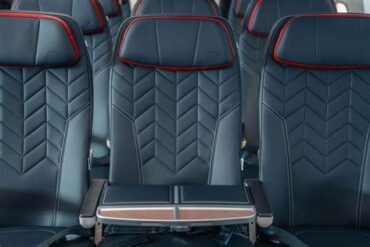
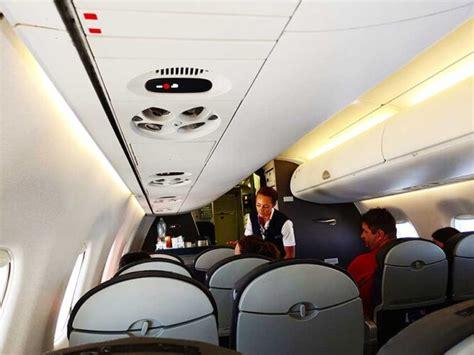
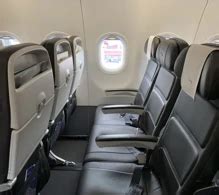
British Airways’ Club Europe doesn’t dazzle with plush recliners or private pods. Instead, it capitalizes on subtle enhancements and psychological comfort. In the standard narrow-body 3-3 seat configuration, the middle seat is blocked, offering a sense of space. There’s a movable curtain to separate the section from economy, allowing British Airways to flexibly reallocate cabin space based on daily demand.
This approach is cost-efficient, avoiding the need for retrofitting aircraft with differentiated hardware while still commanding a premium price. The real value is perceived through non-seat amenities: lounge access, upgraded meals, priority boarding, and a quieter cabin environment. Leisure travelers, once thought to be price-averse, are now paying extra for these intangibles — particularly in a world more sensitive to space, hygiene, and experience post-COVID.
From Recession Reject to Post-Pandemic Darling
After the 2008 global financial crisis, the viability of short-haul business class was widely questioned. Industry analysts predicted its demise, citing rising costs, budget airline competition, and declining corporate travel budgets. Yet today, Club Europe is not only surviving — it’s thriving. Doyle noted at the International Air Transport Association (IATA) conference that its popularity, especially among leisure passengers, has soared.
This reversal signals a broader shift in traveler psychology. While the basic seat remains similar to economy, the psychological premium of space, quiet, and exclusivity has taken on greater importance. With business travel still lagging behind pre-2020 levels, airlines have successfully repositioned premium short-haul as a viable choice for upscale leisure travelers.
The Budget Airline Response: Spirit’s ‘Go Comfy’ and More
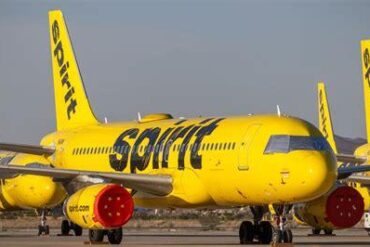
British Airways’ success story offers critical validation for budget airlines in the US, particularly Spirit Airlines, which announced its own premium concept, “Go Comfy,” in July. The model mimics Club Europe by blocking middle seats, but goes further with an additional four inches of legroom, targeting a demographic Spirit has often struggled to reach: passengers who want value without feeling crammed.
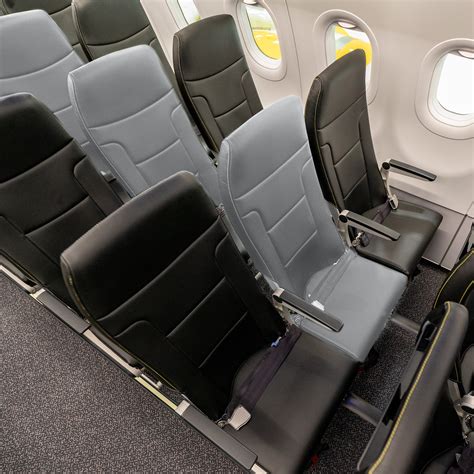
Historically associated with ultra-low fares and stripped-down service, US budget carriers like Spirit and Southwest Airlines are acknowledging that modern travelers seek more differentiated experiences. At the Bernstein Strategic Decisions Conference, Southwest CEO Bob Jordan admitted that customers are demanding multiple cabin tiers and premium choices, prompting the airline to rethink its no-assigned-seating policy — a core part of its identity.
The Global Trend Toward Premiumization
The interest in upgraded short-haul service isn’t confined to Europe or the United States. Since the pandemic, airlines worldwide have witnessed a demand surge for premium travel, even on short segments. This trend contradicts old assumptions that comfort only matters on long-haul journeys. Instead, travelers are placing increased value on every part of their journey, from gate to seat to snack tray.
For US carriers, this presents both a challenge and a lucrative opportunity. Legacy giants like Delta, United, and American already offer multi-cabin layouts with lie-flat seating on many domestic routes. But budget airlines, long reliant on slim margins and volume traffic, must now evolve quickly or risk being outpaced by changing customer expectations.
Why British Airways’ Success Should Be a Wake-Up Call for America’s Low-Cost Carriers
Doyle’s remarks don’t just reflect internal success; they signal a shift in the industry’s direction. Premium short-haul, once seen as a cost center, is now a revenue driver. The move toward flexibility — adjusting cabin size with movable curtains, offering non-material perks — shows that innovation doesn’t always mean expensive hardware.
US budget airlines can leverage this model to transform perceptions. For Spirit or Frontier, adding small enhancements like priority boarding, slightly better food, and lounge partnerships could significantly increase revenue per seat without dramatically increasing costs. Importantly, the optics matter: just the notion of being in a “premium” zone is enough to sway certain travelers.
A Passenger-First Mentality: The Real Competitive Edge
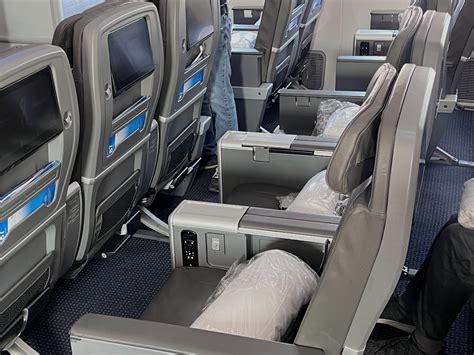
What the Club Europe phenomenon truly underlines is the growing customer-centric focus in aviation. Price still matters, but value has overtaken cost as the primary motivator for many. This is where US budget carriers have often struggled — not because they lack ambition, but because they’ve failed to tell a compelling story about passenger experience.
By recognizing what customers actually care about — space, comfort, and smoother service — airlines can achieve better engagement and retention. Travelers may still balk at $400 business fares for a one-hour flight, but many are now willing to spend $50 more for an experience that feels elevated, especially if they’re traveling for leisure, anniversaries, or mini getaways.
Legacy vs. Low-Cost: The Differentiation Battle
Legacy airlines in the US have long used superior seating, tiered frequent flyer programs, and broader networks to maintain competitive advantage. Yet the rising popularity of simplified premium products like Club Europe erodes some of that edge. If budget airlines can provide a similar perceived value at a lower price point, they could capture a substantial segment of passengers who have historically defaulted to major carriers.
The key lies in execution, consistency, and narrative. Selling a “premium experience” means ensuring gate agents, flight attendants, and digital channels align with that messaging. A blocked seat is a start — but it’s the full journey that counts.
Strategic Implications: A Blueprint for U.S. Growth
For budget airlines aiming to scale or diversify revenue, Club Europe’s success is more than a curious European anomaly — it’s a strategic blueprint. American carriers should consider the following tactical shifts:
- Modular premium cabins that can scale based on demand.
- Partnerships with lounges or airport service providers to enhance ground experience.
- Tiered seating models to create upsell pathways.
- Consistent service training to back the premium promise.
- Dynamic pricing that adjusts based on season, route, and competition.
By embracing these moves, airlines not only respond to current demand but futureproof their business models for the next wave of traveler expectations.
Conclusion: British Airways Has Opened the Door—Will U.S. Airlines Walk Through It?
The resurgence of short-haul business class at British Airways is not just a European success — it’s a global signal. It proves that with the right combination of perception, product, and positioning, even modest enhancements can yield significant results. For U.S. budget airlines, this is a rare moment of alignment between industry trend and internal necessity.
Whether it’s Spirit’s “Go Comfy,” Southwest’s premium seating initiative, or yet-unnamed future offerings from other low-cost players, the path forward is clear: premium isn’t just about luxury — it’s about choice, experience, and smarter travel. The skies may finally be opening to a new era of short-haul comfort, and those who move first will fly highest.