For decades, the success of ultra-long-haul aviation depended on a relatively simple formula: fill as many seats as possible, spread operating costs across hundreds of passengers, and rely on economy cabins to generate volume. That strategy served airlines well when fuel was cheaper, corporate travel was predictable, and passenger demand largely centered on affordable international transportation.
Today, however, the economics of global aviation have fundamentally changed. Rising fuel prices, increased labor costs, fluctuating leisure demand, and a renewed emphasis on premium travel have forced airlines to rethink what makes an intercontinental route profitable. Rather than maximizing passenger numbers, carriers increasingly seek to maximize revenue per seat, especially on flights exceeding twelve or thirteen hours.
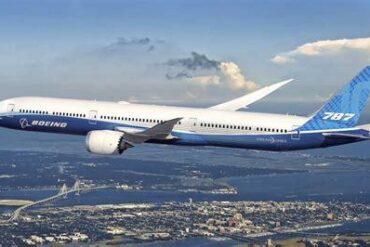
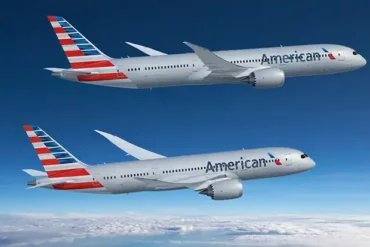
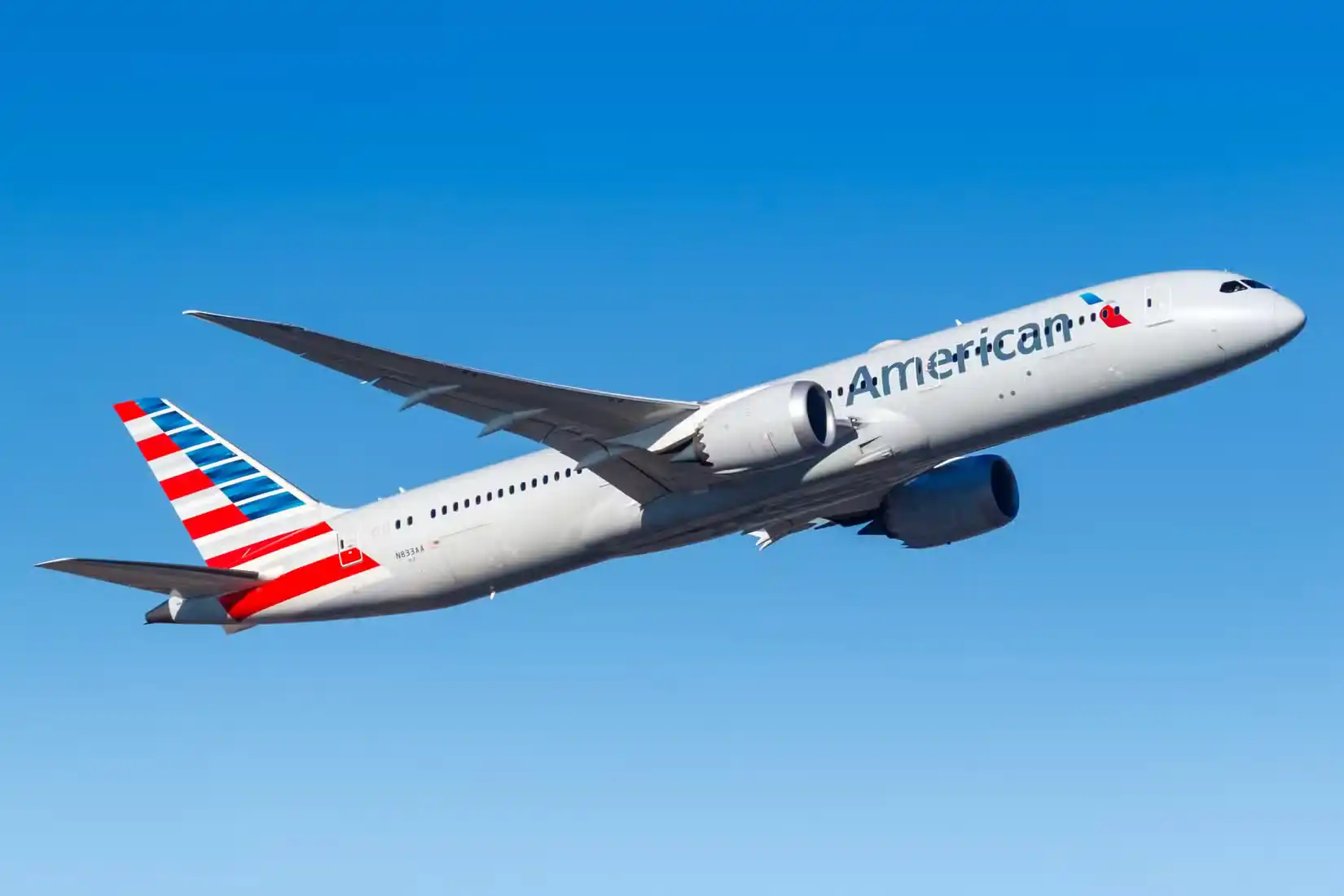
American Airlines has embraced this shift with one of the most ambitious cabin redesigns in its history. The airline’s Boeing 787-9P is not simply another Dreamliner configuration—it represents an entirely different business philosophy. By reducing overall capacity to only 244 seats, while dramatically increasing premium accommodation to 51 Flagship Suites, the carrier is betting that fewer passengers paying substantially higher fares will outperform traditional high-density layouts.
Instead of treating economy passengers as the financial backbone of international flying, American Airlines is building aircraft around travelers willing to pay for privacy, comfort, flexibility, and productivity.
Why American Airlines Reduced Passenger Capacity Instead Of Increasing It
At first glance, removing seats from an aircraft appears counterproductive. Commercial aviation has traditionally rewarded higher capacity because every additional occupied seat helps spread fixed operating expenses across more passengers.
The 787-9P deliberately rejects that assumption.
Where American’s conventional Boeing 787-9 accommodates approximately 285 passengers, the premium-focused variant carries just 244. Those 41 removed seats are not an accident—they are a strategic investment in significantly higher revenue generation.
Rather than squeezing more travelers onboard, American Airlines has converted valuable cabin space into premium products capable of generating multiple times the revenue of an economy ticket. On long international routes, particularly those dominated by business travelers, this approach dramatically improves the aircraft’s financial performance without requiring higher passenger volumes.
As of May 2026, American operates 11 Boeing 787-9P aircraft, with plans to expand the specialized fleet to 30 aircraft by 2029. This gradual rollout allows network planners to assign the aircraft only where premium demand consistently justifies its unique configuration.
The strategy reflects an industry-wide realization that not every international route benefits from maximum capacity. Some corridors possess exceptionally strong corporate demand but relatively modest economy traffic. Serving those markets with traditional layouts often forces airlines to discount economy fares simply to fill seats, eroding profitability.
The 787-9P solves that problem by matching aircraft capacity more precisely with market demand.
Premium Cabins Have Become The New Profit Engine
Every square foot inside a widebody aircraft carries enormous economic value. Cabin designers constantly balance passenger comfort against revenue potential, and nowhere is that calculation more important than on flights lasting fourteen hours or longer.
American Airlines has completely reimagined how cabin real estate should be allocated.
Instead of devoting most of the aircraft to standard economy seating, the airline dramatically expanded its premium offering:
- 51 Flagship Suites
- 32 Premium Economy seats
- 161 Main Cabin seats
Compared with the standard Dreamliner, the economy cabin loses 73 seats, freeing substantial floor space for significantly larger premium accommodations.
This redistribution is based on straightforward economics rather than luxury alone.
Business-class tickets routinely generate several times the revenue of economy fares, while premium economy has become one of aviation’s fastest-growing market segments. Industry research has shown that premium economy can produce approximately 33% greater revenue per square foot than traditional economy seating, making it one of the most profitable uses of cabin space.
Rather than relying on hundreds of discounted tickets, American can recover a substantial portion of each flight’s operating costs through fewer—but much higher-paying—customers.
That approach also provides greater resilience during periods of weaker leisure demand. Corporate travelers frequently continue flying even when discretionary tourism slows, creating more stable year-round revenue streams.
Why Fewer Passengers Actually Improve Ultra-Long-Haul Performance
Long-distance flights face unique operational challenges that shorter international routes never encounter.
A journey exceeding 8,000 miles requires enormous fuel reserves. Every additional passenger increases aircraft weight, requiring additional fuel, which itself adds even more weight in a continuous cycle known throughout aviation as the fuel-weight spiral.
Reducing passenger numbers directly helps break that cycle.
The lighter cabin allows airlines to:
- Carry less fuel overall.
- Reduce total aircraft weight.
- Improve operational flexibility.
- Lower fuel consumption.
- Increase payload efficiency.
These improvements become especially meaningful on routes operating near the aircraft’s maximum range.
American Airlines has already assigned the premium-heavy Dreamliner to demanding Pacific services including:
- Dallas/Fort Worth–Brisbane
- Dallas/Fort Worth–Auckland
These flights exceed 14 hours and cover more than 8,300 miles (13,357 kilometers), making operational efficiency essential.
Removing dozens of passengers may appear insignificant individually, but collectively they represent several tons of payload. That reduction translates directly into lower fuel burn while allowing the remaining passengers to generate substantially higher revenue.
Instead of chasing maximum occupancy, the airline focuses on maximizing profit per flight.
The Flagship Suite Becomes The Centerpiece Of The Aircraft
The success of a premium-heavy aircraft depends entirely on whether passengers believe the upgraded experience justifies the additional fare.
American Airlines clearly understands this.
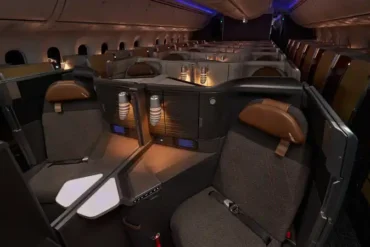
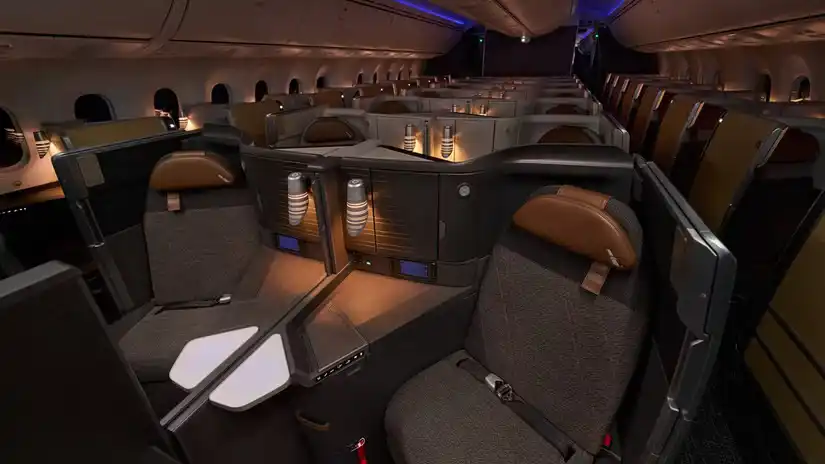
The Boeing 787-9P introduces 51 Flagship Suites, built around the highly regarded Adient Ascent seating platform. Rather than offering merely lie-flat seats, each passenger receives an enclosed personal space designed to resemble a private hotel room more than a conventional airline seat.
Each suite includes:
- A fully closing privacy door
- Wireless charging
- Large entertainment display
- USB-C connectivity
- Universal AC power outlet
- Bluetooth audio capability
- Adjustable chaise lounge seating
- Direct aisle access
The reverse-herringbone arrangement also eliminates one of business travel’s biggest frustrations: climbing over neighboring passengers during overnight flights.
Privacy has become one of the industry’s most valuable premium features, particularly for executives wishing to work confidentially or sleep uninterrupted across multiple time zones.
Flagship Preferred Suites Push Premium Even Further
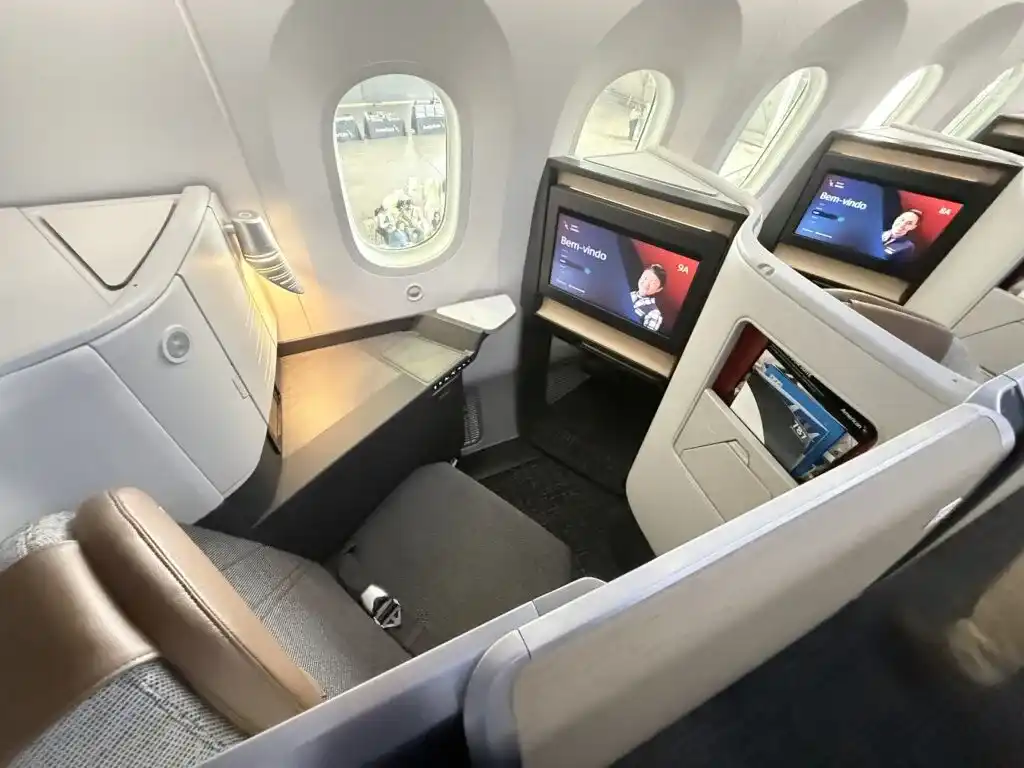
American Airlines has introduced an additional layer above standard business class through its Flagship Preferred Suites.
Only eight of these exclusive suites exist onboard each aircraft.
Positioned in the spacious bulkhead rows, these accommodations offer approximately:
- 19% more sleeping space
- 42% more personal living area
Those seemingly modest percentages significantly improve comfort during overnight transpacific flights where passengers may spend ten or more consecutive hours resting inside the suite.
Passengers booking these premium accommodations also receive enhanced amenities including memory foam mattress pads, upgraded bedding, premium blankets, expanded amenity kits, and specialized dual-sided cooling pillows designed to improve sleep quality.
Rather than reviving an expensive international first-class cabin, American effectively creates a business-plus product that delivers much of the same exclusivity while maintaining considerably better profitability.
Premium Economy Continues Its Rapid Rise
Perhaps the most important cabin aboard the Boeing 787-9P is not business class—it is Premium Economy.
Corporate travel has rebounded unevenly across global markets, while affluent leisure travelers increasingly seek comfort without paying full business-class fares.
Premium Economy perfectly fills that gap.
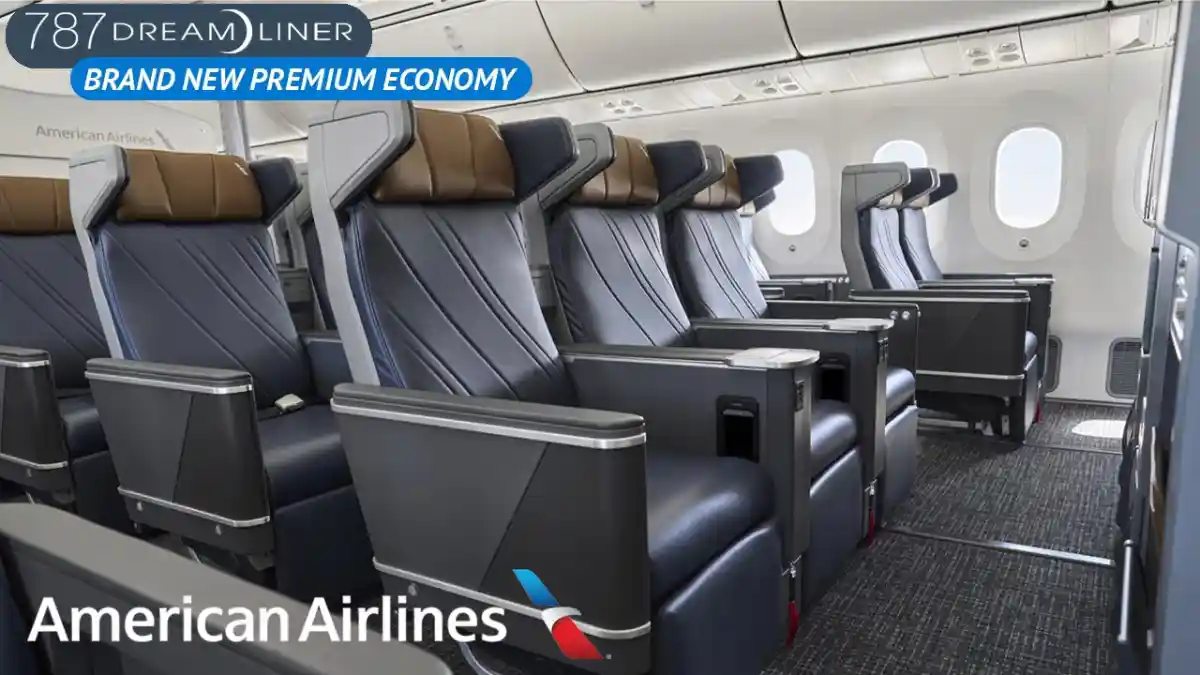
The aircraft features 32 Premium Economy seats arranged in a spacious 2-3-2 layout that avoids the cramped feeling common in standard economy cabins.
Passengers benefit from:
- Wider seating
- Increased recline
- Adjustable headrest wings
- Calf rests
- Footrests
- Water bottle storage
- Wireless charging
- Enhanced personal space
This intermediate cabin attracts travelers seeking greater comfort on flights exceeding twelve hours while remaining substantially more affordable than business class.
For airlines, it has become one of the strongest revenue generators available.
Economy Passengers Still Receive Significant Upgrades
Although premium cabins dominate headlines, American Airlines has not ignored passengers seated farther back.
The remaining 161 economy seats benefit from extensive technology upgrades intended to narrow the experience gap between cabin classes.
Every passenger receives access to:
- High-definition 4K QLED entertainment displays
- Bluetooth headphone pairing
- USB charging
- Universal power outlets
- Modern seatback entertainment
These improvements acknowledge an important reality: passenger satisfaction influences repeat business regardless of fare class.
Even travelers flying economy increasingly expect seamless device connectivity, high-quality entertainment, and reliable onboard technology during journeys lasting fourteen hours or more.
By modernizing the entire cabin instead of concentrating exclusively on premium seating, American strengthens its competitive position across multiple customer segments.
Matching Aircraft To Route Economics Instead Of Passenger Volume
The Boeing 787-9P demonstrates a broader evolution in airline network planning.
Historically, airlines often assigned aircraft primarily according to passenger demand. Today, network planners increasingly analyze yield profiles, corporate contracts, seasonal demand patterns, and competitive positioning before selecting aircraft.
Some international markets generate exceptional premium demand but insufficient economy traffic to justify larger aircraft.
Others experience highly volatile seasonal tourism.
The premium-heavy Dreamliner allows American Airlines to tailor capacity much more precisely to these markets.
Instead of withdrawing service during weaker periods, the airline can continue operating year-round using an aircraft optimized for premium revenue rather than sheer passenger numbers.
This flexibility strengthens network resilience while protecting strategically valuable routes that might otherwise become financially vulnerable.
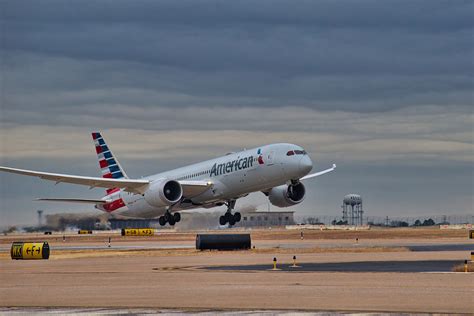
The Boeing 787-9P Fits Into A Much Larger Fleet Strategy
The premium Dreamliner is not an isolated project.
American Airlines is simultaneously retrofitting its Boeing 777-200ER and Boeing 777-300ER fleets with the same Flagship Suite concept, creating a more consistent premium experience throughout its long-haul network.
Passengers booking business class can therefore expect similar cabin standards regardless of which flagship aircraft operates their flight.
Meanwhile, the airline’s future fleet will become increasingly specialized.
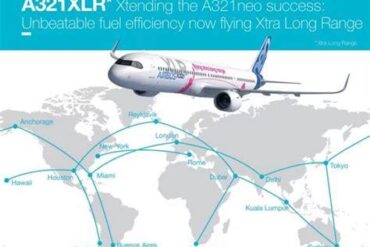
Large premium-focused widebodies such as the Boeing 787-9P will handle high-yield intercontinental markets, while efficient long-range narrowbody aircraft—including the Airbus A321XLR—will open thinner international routes that previously could not support traditional widebody service.
Together, these aircraft provide remarkable flexibility across an increasingly fragmented global travel market.
Rather than depending on one aircraft type for every mission, American is assembling a portfolio of specialized tools designed for different revenue environments.
How The 787-9P Rewrites The Economics Of International Aviation
The Boeing 787-9P represents far more than an upgraded cabin or a redesigned seating chart. It signals a fundamental shift in how airlines evaluate success on ultra-long-haul routes.
Instead of pursuing maximum occupancy, American Airlines prioritizes maximum profitability per passenger. Every design decision—from removing economy seats and expanding business suites to introducing upgraded Premium Economy and advanced onboard technology—supports a single objective: increasing revenue while improving operational efficiency.
This strategy acknowledges the realities of modern aviation. Fuel remains expensive, premium travelers expect increasingly sophisticated products, and network planning demands greater precision than ever before. By aligning aircraft capacity with market-specific demand rather than historical convention, American gains the flexibility to sustain long-distance routes that might otherwise struggle under traditional economics.
As the premium Dreamliner fleet grows toward 30 aircraft by 2029, its influence will extend well beyond individual routes. Combined with upgraded Boeing 777 fleets and the arrival of long-range narrowbody aircraft, the 787-9P forms the cornerstone of a new international strategy centered on premium yield, operational efficiency, and carefully targeted deployment.
In many ways, the aircraft proves that the future of ultra-long-haul aviation is no longer measured by how many passengers fit onboard. Instead, it is defined by how intelligently every seat contributes to sustainable profitability, making the American Airlines Boeing 787-9P one of the clearest examples of how modern airlines are rewriting the mathematics of global air travel.