Las Vegas has never been timid about distance. In 2026, Harry Reid International Airport (LAS) stretches its route map farther than ever before, welcoming new intercontinental links that push the city to the brink of the 8,000-mile nonstop frontier. The headline is bold: Sydney to Las Vegas at 7,720 miles becomes the airport’s longest scheduled route, redefining what a leisure-driven destination can sustain in long-haul aviation.
This expansion is not symbolic. It is structural. With the arrival of Qantas from Sydney and Air France from Paris, Las Vegas transitions from a primarily domestic entertainment gateway into a credible long-haul anchor. Airlines are no longer testing the waters with one-off charters. They are deploying next-generation widebodies, building seasonal strategies, and targeting consistent international demand tied to conventions, sports, and premium leisure traffic.
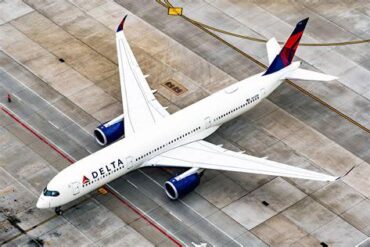
The shift reflects broader industry confidence in aircraft like the Boeing 787-9 Dreamliner and Airbus A350-900, which combine fuel efficiency with range capabilities that were once financially unrealistic for secondary US airports. With the right timing and demand spikes, Las Vegas can now sustain routes traditionally reserved for coastal megahubs.
Las Vegas’ Long-Haul Evolution Reaches a New Milestone
Aviation history in Las Vegas has always flirted with extremes. In 1959, two pilots famously kept a Cessna 172 named “Hacienda” airborne for more than 64 days over the Nevada desert, refueling from a moving truck below. That aircraft now sits on display at the airport, a reminder that endurance has long been part of the city’s DNA.
Fast forward to 2026, and endurance takes a different form. The new Sydney–Las Vegas nonstop overtakes Korean Air’s Seoul service as the longest route from LAS. At 7,720 miles, it edges the airport close to the ultra-long-haul category, a rarefied class where aircraft economics, payload management, and seasonal demand must align with surgical precision.
The top tier of Las Vegas’ longest routes now reads like a global travel atlas. Seoul, Zurich, Frankfurt, Paris, Amsterdam, London, Manchester, and Dublin form a dense European and Asian web, while Panama City anchors Latin American connectivity. What stands out is not just the mileage, but the consistency of widebody operations supporting the network.
The 10 Longest Nonstop Flights From Las Vegas in 2026
- Sydney (SYD) – 7,720 miles – Qantas – 3x weekly – Boeing 787-9
- Seoul Incheon (ICN) – 6,021 miles – Korean Air – Daily – 777-300ER
- Zurich (ZRH) – 5,713 miles – Edelweiss – 3x weekly – A350-900
- Frankfurt (FRA) – 5,583 miles – Condor / Discover – Up to 5x weekly – A330 variants
- Paris (CDG) – 5,442 miles – Air France – 3x weekly – A350-900
- Amsterdam (AMS) – 5,355 miles – KLM – Daily – 777-200ER
- London (LHR) – 5,229 miles – British Airways / Virgin Atlantic – Up to 13x weekly – A350 / 787
- Manchester (MAN) – 5,087 miles – Virgin Atlantic – 3x weekly – A350-1000
- Dublin (DUB) – 4,954 miles – Aer Lingus – 3x weekly – A330-300
- Panama City (PTY) – 2,916 miles – Copa Airlines – Daily – 737 family
Sydney’s arrival reshapes the hierarchy, but the broader pattern reveals something deeper: Las Vegas is no longer a niche long-haul experiment. It is a sustained international node.
Qantas Converts Event Traffic Into a Strategic Route
Qantas does not gamble blindly. Before launching a scheduled service, the airline prefers proof of demand. Las Vegas provided it through dedicated charter flights tied to Australia’s National Rugby League season opener. Those charters demonstrated that the Australia–Las Vegas corridor could surge dramatically around event-driven travel.
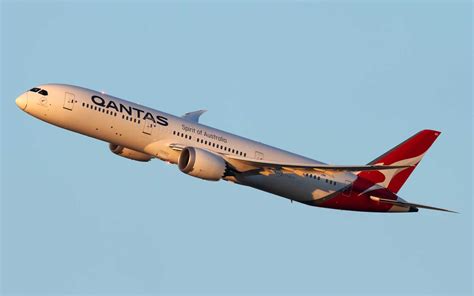
In 2026, that surge becomes a structured seasonal service. Beginning December 29, Qantas will operate three weekly flights between Sydney and Las Vegas using the Boeing 787-9. The aircraft’s range and right-sized capacity make it ideal for long-haul leisure markets that peak during specific windows rather than year-round corporate cycles.
The Dreamliner’s cabin experience is a critical piece of the equation. Its lower cabin altitude, higher humidity, and large windows soften the physiological toll of nearly 15 hours in the air. For Australian travelers heading directly into convention season or major sporting events, skipping a US domestic connection saves both time and friction.
This strategy underscores a powerful trend: long-haul success at Las Vegas depends less on daily frequency and more on intelligent seasonality. Airlines are designing routes around predictable demand spikes—winter conventions, global sporting events, and international leisure flows—rather than forcing year-round consistency.
Air France Strengthens Paris–Las Vegas Connectivity
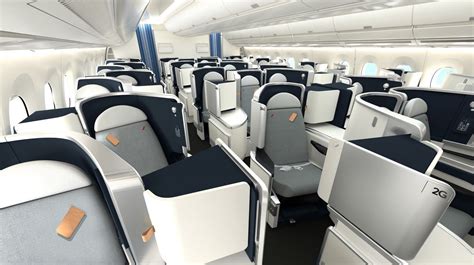
If Sydney pushes the distance envelope, Paris enhances network density. Air France launches service from Paris Charles de Gaulle (CDG) on April 15, operating three times weekly with a 324-seat Airbus A350-900. This higher-capacity configuration includes 34 business class seats in a 1-2-1 layout, 24 premium economy seats with a 38-inch pitch, and 266 economy seats in a 3-3-3 arrangement.
The Paris market was ripe for nonstop service. Data shows approximately 62,000 annual round-trip local passengers traveled between CDG and Las Vegas without a direct flight. Paris was Las Vegas’ largest unserved European market, while Las Vegas ranked as Paris’ top unserved US destination. That symmetry makes the route strategically compelling.
Nonstop connectivity tends to stimulate demand beyond existing passenger volumes. Eliminating connections reduces total travel time, increases convenience, and broadens appeal to premium leisure and business travelers alike. Early projections suggest traffic could rise to 80,000 annual passengers within the first full year of operation.
Air France’s entry also elevates Las Vegas’ brand positioning. CDG is one of Europe’s primary global connectors, linking passengers from Africa, the Middle East, and secondary European cities. With a single stop in Paris, travelers from dozens of markets gain streamlined access to Nevada.
Edelweiss, Frankfurt, and the European Backbone
While Sydney and Paris capture headlines, European carriers continue reinforcing Las Vegas’ long-haul stability. Edelweiss operates three weekly flights from Zurich using the Airbus A350-900, marking the aircraft’s debut long-haul destination for the Swiss leisure airline. The transition from the older A340-300 to the A350 improves efficiency and passenger comfort simultaneously.
Frankfurt remains another pillar. Condor and Discover Airlines collectively provide multiple weekly frequencies using Airbus A330 variants, ensuring Germany maintains robust connectivity into the city. London stands out for sheer frequency, with British Airways and Virgin Atlantic combining for up to 13 weekly services during peak periods. That level of capacity rivals some primary US gateways.
This European backbone matters. It demonstrates that Las Vegas’ long-haul growth is not a one-route anomaly but a layered network built on consistent demand across multiple markets.
Aircraft Economics Make the Difference
The technical enabler behind Las Vegas’ 2026 transformation is modern aircraft efficiency. The Boeing 787 and Airbus A350 families deliver double-digit improvements in fuel burn compared to older widebodies. Their composite structures reduce weight, and advanced engines optimize performance on ultra-long segments.
These aircraft allow airlines to profitably operate routes that would have been marginal a decade ago. Instead of requiring 350–400 seats to justify distance, carriers can deploy 250–300-seat aircraft with lower trip costs. That flexibility is essential for seasonal markets like Las Vegas, where demand surges around events rather than remaining flat year-round.
In effect, technology is democratizing long-haul aviation. Secondary US cities can now host intercontinental flights once monopolized by coastal hubs.
Las Vegas’ Global Position in 2026
Approaching 8,000 miles nonstop is more than a statistic. It symbolizes Las Vegas’ elevation into a different aviation tier. The airport now competes for routes not simply as a domestic entertainment endpoint but as a viable international gateway in its own right.
The 2026 lineup reflects careful calibration: event-driven demand from Australia, strong origin-and-destination traffic from Paris, consistent European leisure flows, and established Asian connectivity via Seoul. Together, they create a diversified long-haul ecosystem.
Las Vegas thrives on spectacle, but its aviation story is rooted in strategy. Nearly 8,000 miles of nonstop connectivity proves that the city’s reach extends far beyond the Strip. It stretches across continents, anchored by aircraft engineered for endurance and airlines willing to match bold ambition with disciplined execution.