Air connectivity between Canada and Europe continues to strengthen as carriers on both sides of the Atlantic expand their networks with new high-mileage routes. This surge in long-haul demand reflects rising leisure travel, resilient VFR markets, and new strategic partnerships. Current schedule data from Cirium confirms that seven routes now exceed 5,000 miles, linking Canada directly to Europe with aircraft capable of sustaining these long sectors efficiently and reliably.
These ultra-long-haul operations highlight a dynamic transatlantic corridor where range performance, aircraft economics, and passenger comfort converge. Each airline on this list deploys its flagship widebody jets—aircraft engineered specifically to deliver consistent performance across distances approaching 6,000 miles. Airlines continue to refine their long-haul strategies as competition intensifies, expanding European access points for Canadian travelers and reinforcing Canada’s role as a North American launchpad toward the Eastern Hemisphere.
The routes that surpass the 5,000-mile threshold form an exclusive club defined by endurance, strategic market placement, and careful scheduling. These flights are not only geographic feats but also represent long-standing cultural and commercial ties that bind Canada and Europe. Their operational complexity and importance justify a close look at the carriers, destinations, aircraft, and patterns shaping this high-performance segment of the market.
Turkish Airlines Leads With the Longest Canada–Europe Sectors
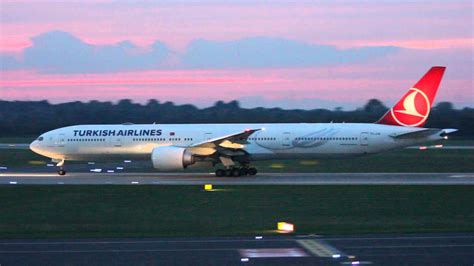
Turkish Airlines currently operates the longest non-stop flight between Canada and Europe, stretching an impressive 5,974 miles between Istanbul Airport and Vancouver. This route operates three times weekly, primarily using the Boeing 777-300ER, a long-range workhorse configured with 349 seats. A recent exception saw the Boeing 787-9 deployed, offering 300 seats and a more fuel-efficient profile, underscoring the airline’s fleet flexibility.
The carrier also maintains a robust presence in Toronto with its 5,091-mile Istanbul–Toronto connection. This sector operates six times per week using the same Boeing 777-300ER configuration, supporting strong demand for travel between Canada’s largest city and Türkiye’s global aviation hub. Turkish Airlines’ recent interline and codeshare agreements with Air Transat enhance reach, enabling seamless transfers across vast networks in Europe, Asia, and beyond.
Canadian Airlines Extend Their Reach With 5,000-Mile Transatlantic Links
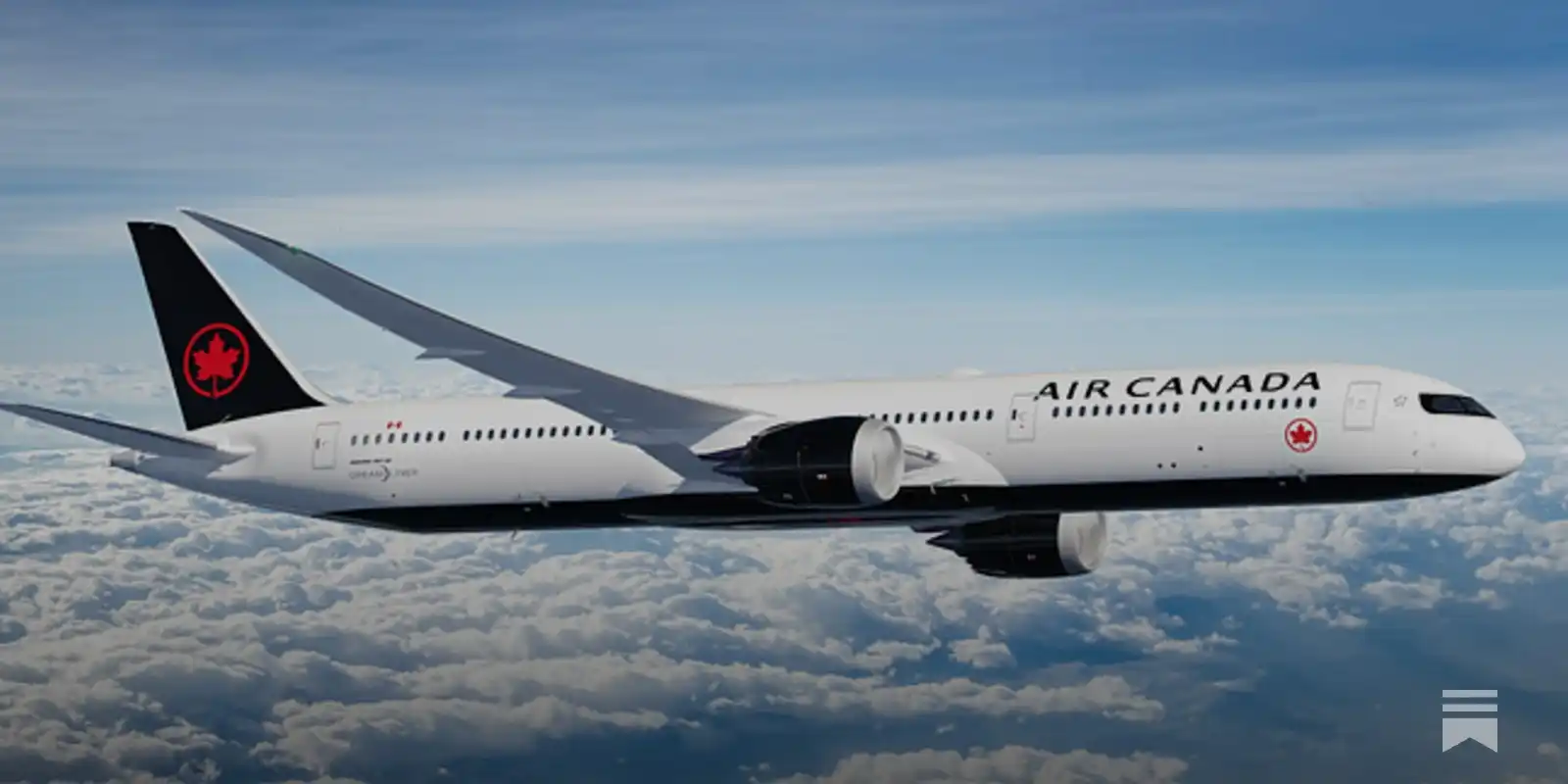
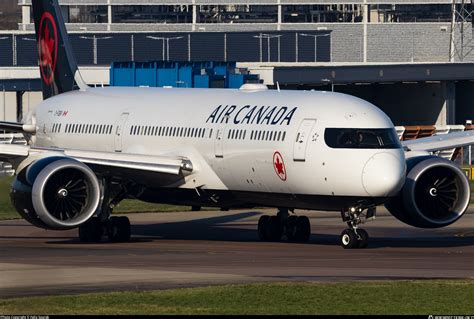
Air Canada adds significant weight to the ultra-long-haul landscape with its 5,063-mile Toronto–Athens service. Operated mostly with the Boeing 787-9, these flights provide 298 seats across business, premium economy, and economy cabins. Select rotations employ the smaller 787-8, maintaining product consistency while adjusting capacity in line with seasonal demand. This route illustrates Air Canada’s continued focus on long-range efficiency and premium passenger offerings.
WestJet also plays a central role in the 5,000-mile club. Its longest European route links Calgary to Rome over 5,265 miles, operated with the Boeing 787-9. The carrier further operated early-month flights between Calgary and Barcelona, each sector exceeding 5,000 miles. These flights reinforce WestJet’s strategy to elevate Calgary’s profile as a transatlantic gateway while expanding long-haul connectivity into Western Canada.
Lufthansa Completes the Set With Munich and Frankfurt Services
Lufthansa rounds out the group with two routes from Germany to Vancouver. The longest originates in Munich, covering 5,199 miles and operating three times weekly with the Airbus A350-900. This next-generation aircraft features 318 seats and is optimized for long-range efficiency, offering quiet cabins and enhanced fuel performance well suited to this distance.
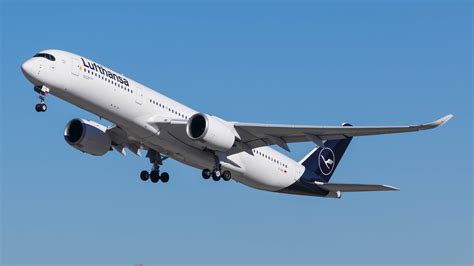
The carrier’s Frankfurt–Vancouver service also qualifies at 5,025 miles, flown six times per week with the Airbus A340-300. This quadjet, configured with 279 seats, continues to serve select long-haul markets as Lufthansa gradually transitions its fleet toward more fuel-efficient twin-engine models. Vancouver’s dual placement in Lufthansa’s network underscores the city’s role as a strategic Western Canadian gateway.
The Enduring Role of Canada–Europe Ultra-Long-Haul Routes
These 5,000-mile-plus flights represent some of the most ambitious non-stop operations connecting North America and Europe. They rely on advanced widebody jets, carefully tuned scheduling, and deep market demand to sustain operations across thousands of nautical miles. As airlines continue refining long-haul strategies, Canada’s geographic advantage and its carriers’ fleet investments will ensure continued innovation in this corridor.
These routes also form a bridge between continents, shaping tourism flows, broadening commercial opportunities, and supporting cultural exchange. Their ongoing expansion points toward a future in which ultra-long-haul travel grows even more accessible and strategically important across the transatlantic sky.