In a significant boost to regional connectivity, American Airlines has announced the launch of a daily nonstop service between Sarasota Bradenton International Airport (SRQ) and Miami International Airport (MIA), beginning November 3, 2025. This marks the sixth nonstop destination offered by the carrier from SRQ, signaling continued expansion and investment in Florida’s Gulf Coast aviation infrastructure.
The daily service will operate using a 76-seat Embraer 175, a regional jet known for its comfort and efficiency. The aircraft will feature First Class, Main Cabin Extra, and Main Cabin seating, offering a range of options for business and leisure travelers. Flights will depart SRQ at 6:30 AM, arriving in Miami at 7:40 AM, ideal for passengers catching onward international connections. Return flights will leave MIA at 9:30 PM, landing back in Sarasota at 10:40 PM.
Strategic Implications for Florida’s Air Travel Network
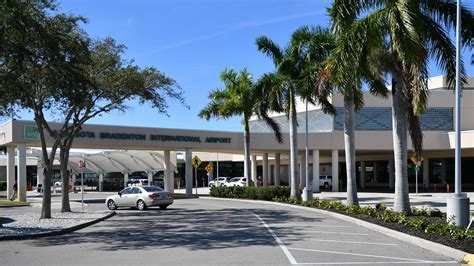
This new route is not merely a local development but a strategic enhancement in the broader Florida aviation corridor. The Sarasota-to-Miami connection dramatically simplifies access to one of the nation’s busiest international hubs, effectively bridging the travel gap that previously required either a time-consuming drive or a layover-intensive connection through other Florida cities such as Tampa or Orlando.
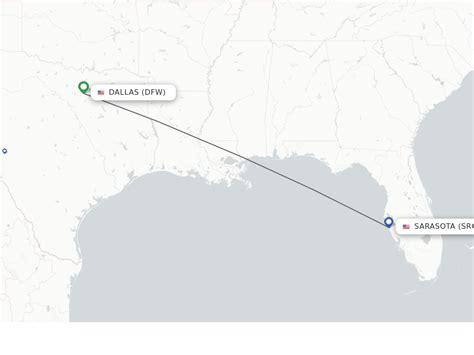
Rick Piccolo, President and CEO of Sarasota Bradenton International Airport, emphasized the importance of the new route, stating: “We are thrilled to announce that American Airlines will be adding Miami, FL (MIA) as their sixth nonstop destination from SRQ.” With this addition, American now serves Charlotte (CLT), Washington, D.C. (DCA), Dallas/Fort Worth (DFW), Chicago (ORD), Philadelphia (PHL), and Miami (MIA) directly from SRQ.
Unlocking International Travel Potential for Gulf Coast Residents
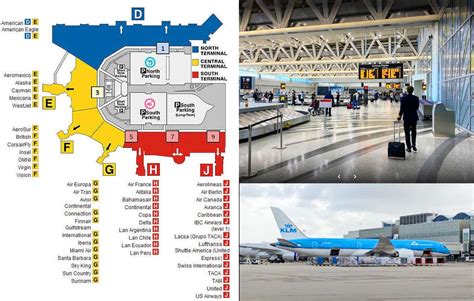
For international travelers based in or near Sarasota, the announcement is a game changer. Miami International Airport is a key gateway to Latin America, the Caribbean, and Europe, offering dozens of long-haul connections that are not accessible from regional airports. Prior to this announcement, travelers were often forced to endure early morning drives or rely on layovers that extended travel times by several hours. The new direct flight means travelers can now arrive in Miami with minimal hassle and seamlessly board international flights, including those bound for the Bahamas, Brazil, Spain, or the United Kingdom.
This streamlining is particularly beneficial for frequent flyers and vacation-goers who prefer to start their journey close to home. One Sarasota resident summed it up in an online forum: “Finally! This is actually a huge deal for people who travel internationally. Having to drive to Tampa at the crack of dawn or late at night to catch a flight to or from Miami is a huge pain.”
Regional Connectivity and Business Travel Efficiency
The route is also expected to serve a growing population of business travelers and seasonal residents who split time between South Florida and the Gulf Coast. With many financial firms, healthcare companies, and educational institutions maintaining a presence across multiple Florida cities, this direct link between SRQ and MIA adds valuable flexibility to regional itineraries. The Embraer 175’s First Class configuration further positions the route as attractive for premium travelers who require both speed and comfort.

Timing and Scheduling: Catering to Convenience
The chosen flight times—6:30 AM outbound and 9:30 PM return—are no accident. These slots were deliberately crafted to maximize connectivity for both ends of the route. Morning departures allow Sarasota travelers to catch mid-morning or early afternoon international flights out of Miami, while the late evening return ensures that travelers from Miami can spend a full day in Sarasota before heading back, eliminating the need for overnight stays or wasted time.
Industry analysts have noted that the daily cadence is likely just the beginning. If the route performs well in terms of load factor and profitability, American Airlines could consider adding frequency or transitioning to larger regional jets in future seasons.
Competitive Positioning and Passenger Demand
Although Florida’s Gulf Coast has seen a surge in aviation activity over the past decade, few carriers have directly linked SRQ with Miami. American Airlines’ entry into this underserved route addresses a persistent void in the regional air travel map, one that residents and travel advocates have long requested. The 200-mile journey—often cited as too long to drive conveniently and too short to justify a connecting flight—now fits snugly into a niche that only a direct route can satisfy.
Despite skepticism voiced in online forums—particularly concerns over the environmental impact of short-haul flights or comparisons to Amtrak’s slow, often-delayed service from Tampa to Miami—the consensus remains positive. The new flight eliminates the need for layovers, lengthy ground transportation, and inconsistent train schedules, offering an efficient, modern alternative.
Operational Logistics and Fleet Choice
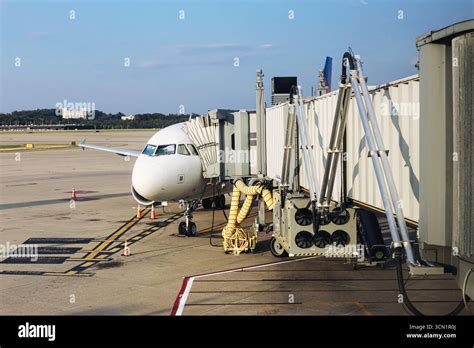
The deployment of the Embraer 175 for the SRQ–MIA route underscores American Airlines’ commitment to fleet flexibility and passenger comfort. The aircraft, often used on business-focused routes, offers a spacious cabin layout, with 2-2 seating in economy and premium configuration in First Class. It’s a popular choice for routes that straddle the line between regional demand and premium service expectations.
With 76 seats total, including 12 First Class, 20 Main Cabin Extra, and 44 Main Cabin seats, the flight can absorb varying levels of passenger demand, from solo travelers to small business teams. In contrast to legacy narrowbody aircraft, the E175’s smaller footprint makes it particularly well-suited for regional airports like SRQ, where turnaround times and gate availability are tighter.
Implications for Sarasota’s Economic and Tourism Landscape
The new connection holds more than just logistical value—it’s poised to have a tangible economic impact on the Sarasota-Bradenton region. Tourism authorities have long sought easier access for domestic and international visitors, especially during peak winter months, when South Florida becomes a magnet for snowbirds, retirees, and vacationers. With Miami now a short, direct hop away, SRQ can expect increased traffic from passengers using it as a feeder point to South Florida resorts or cruise terminals.
Furthermore, hospitality businesses, real estate agencies, and cultural institutions stand to benefit from the enhanced traffic flow. Hotels, short-term rentals, and beach resorts along Siesta Key, Longboat Key, and Anna Maria Island are now just a quick flight away for visitors from South Florida or those transiting through MIA.

What This Means for Florida’s Transportation Future
The launch of this route has also reignited debates about the state of ground-based mass transit in Florida. Commenters on social media platforms voiced frustration with the lack of high-speed rail options, citing that similar journeys in Europe or Asia would be covered by efficient trains rather than planes. While Amtrak’s Floridian Line exists, its long travel times and frequent delays render it non-competitive with air travel.
However, until state or federal infrastructure funding materializes to overhaul Florida’s rail network, regional flights like SRQ–MIA will continue to be the fastest and most reliable option. As the climate conversation grows, airlines will also face increasing pressure to adopt more sustainable aviation practices, such as using SAFs (sustainable aviation fuels) and investing in newer, more efficient aircraft for short-haul sectors.
Looking Ahead: Potential for Growth and Expansion
If the Sarasota–Miami route proves successful, it could serve as a blueprint for similar regional pairings. Airlines across the country are eyeing “micro-hub” strategies, using secondary cities like Sarasota to funnel passengers into primary international gateways without overwhelming major airports.
Given SRQ’s steady rise in enplanements and continued investment in infrastructure, American Airlines may also consider expanding into seasonal Caribbean destinations, or strengthening connections to New York and the West Coast. The performance of the SRQ–MIA flight will almost certainly influence such decisions in 2026 and beyond.
Conclusion
The inauguration of daily nonstop flights between Sarasota and Miami by American Airlines marks a pivotal moment for regional connectivity, international accessibility, and economic growth in Southwest Florida. As air travel continues to evolve in a post-pandemic world, strategic, efficient links like SRQ–MIA exemplify the direction the industry is heading: focused on flexibility, passenger convenience, and high-frequency, short-distance service that bridges critical hubs across the nation.