On December 2025, a pivotal legal decision emerged from Canada’s Federal Court, placing Air Canada in the winner’s seat of a protracted courtroom drama. The case, which had spiraled over 11 months, centered on a disputed compensation claim for delayed baggage, ultimately sparking debate over consumer rights, corporate accountability, and the boundaries of reasonable reimbursement.
The Flight, The Delay, and the Initial Reimbursement
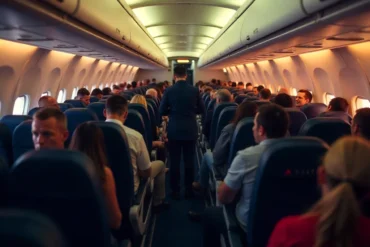
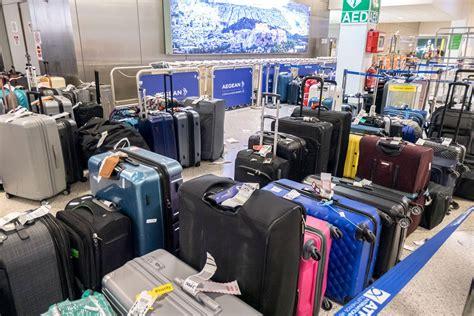
The legal saga began in May 2022 when Alaa Badia Tannous and his wife, Nancy, traveled from Toronto to Vancouver. Upon arrival, they were met with frustration as one of their bags failed to arrive on time, reaching them only the next day. Air Canada responded promptly by issuing a CA$250 compensation—a gesture meant to cover interim essentials.
However, the couple found the sum inadequate. They filed a formal complaint with the Canadian Transportation Agency (CTA), asserting their out-of-pocket expenses had reached CA$3,435.99, and backed this claim with receipts. Notably, this included a CA$1,310.40 luggage purchase made after the original bag had been returned. A CTA officer evaluated the claim and deemed that the couple was entitled to a total of CA$2,329.72, factoring in both valid and disputed expenses. Since CA$250 had already been paid, Air Canada was ordered to compensate an additional CA$2,079.72.
Air Canada Appeals: Corporate Pushback and Legal Turnaround
Air Canada refused to accept the ruling passively. By December 2024, the airline launched an appeal with the Federal Court, asserting that many of the purchases were neither essential nor justifiable. The presiding judge, Justice Michael Manson, sided with the airline in a scathing rebuke of the CTA’s decision-making process.
Justice Manson criticized the CTA officer’s reasoning as lacking “common sense,” arguing that the compensation order failed to justify why purchases made after the bag’s arrival should be linked to the delay. He referred to several items as “luxury goods”, suggesting the expenditures went beyond the bounds of necessity. The court’s conclusion: the original order was excessive and flawed.
The Case Isn’t Over Yet: Back to the CTA
Despite the court’s ruling in Air Canada’s favor, the matter is far from closed. Rather than fully dismissing the claim, the judge ordered that the case be re-evaluated by a different officer within the CTA. This means that Tannous and his wife could potentially still receive additional compensation, though the outcome now hinges on a fresh interpretation of the claim’s validity and causality.
Public Sentiment and Passenger Reaction
Tannous, expressing dismay in interviews with CBC, remarked, “It was shocking. It’s disappointing to see the airline, after all the money I spent with them over the years, appealing a CA$2,000 claim.” His statement reflects a broader frustration shared by many airline passengers who feel burdened by bureaucracy when seeking redress.
This sentiment resonates particularly in Canada, where baggage mishandling incidents have recently become hot-button issues. Critics argue that large airlines possess disproportionate power in disputes, often using lengthy litigation to deter compensation claims.
Context: A Year of Baggage Troubles for Air Canada
This ruling marks just one of several baggage-related controversies that have plagued Air Canada in 2025. In a separate incident reported in July, passenger Linda Royle received her lost luggage only to find unfamiliar items—including a knife and two toiletry bags—inside, while some of her own belongings were missing. The strange mix-up occurred after her carry-on was forcibly checked during a Toronto to St. John’s flight. The missing items were valued at $950, and she too filed for compensation.
These cases underscore a growing pattern of discontent over Air Canada’s baggage policies and handling protocols, even as the airline continues to expand routes and introduce new fare structures, including fees for oversized carry-ons starting January 2025.
Legal Precedents and Industry Implications
The Federal Court’s decision may now set a precedent regarding how post-delivery purchases are assessed in baggage compensation claims. It also casts a spotlight on the CTA’s accountability and consistency in adjudicating complaints. For airlines, it reaffirms the possibility of challenging regulatory decisions deemed excessive. For passengers, it is a cautionary tale about the documentation and reasonableness of claims.
While this case might appear minor in terms of financial stakes, its implications for passenger rights, regulatory scrutiny, and corporate legal tactics are significant. With the claim now back in CTA hands, many will be watching to see whether a revised compensation order emerges—or if Air Canada’s victory will remain undisputed.