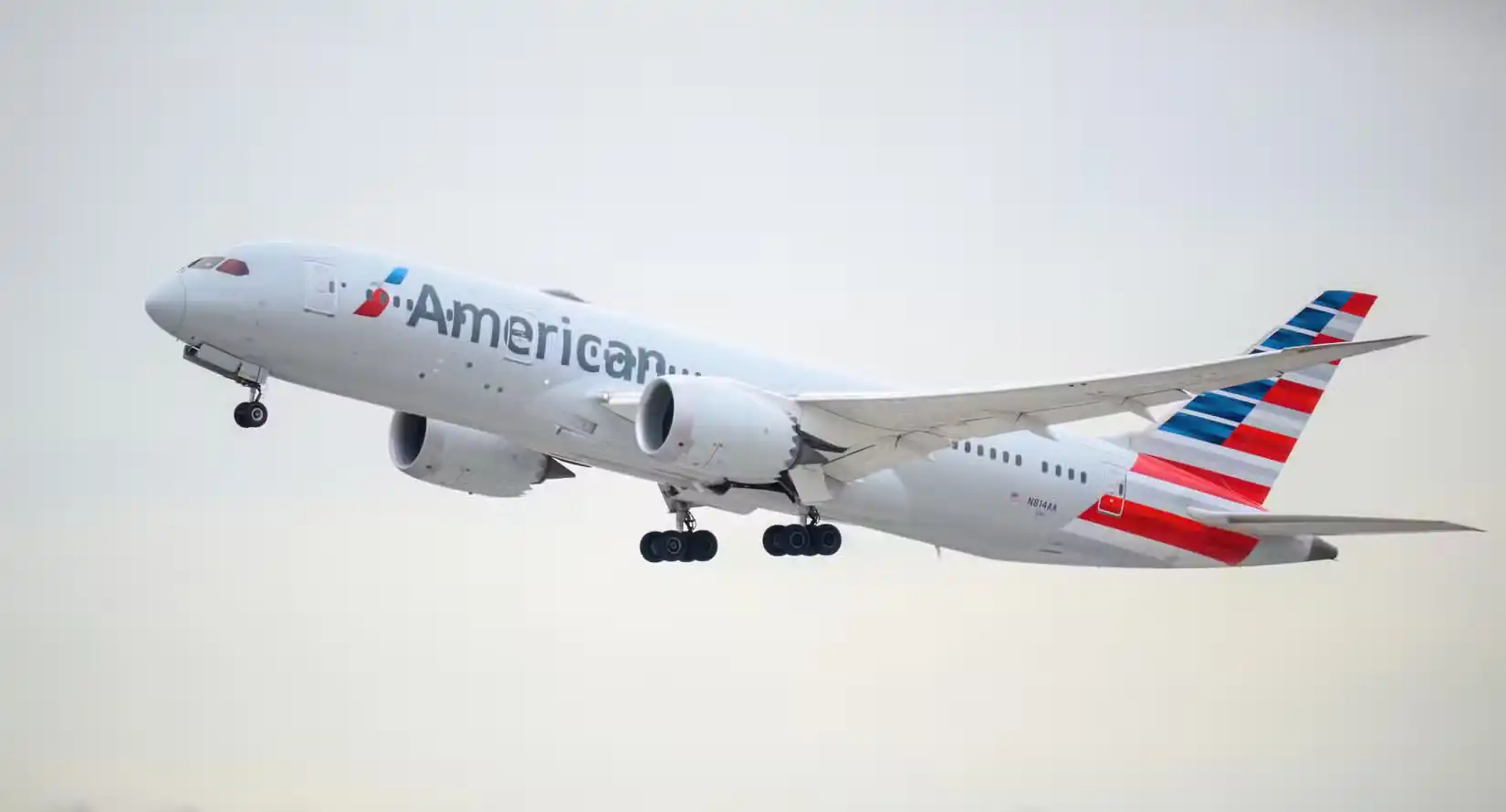
The Federal Aviation Administration (FAA) has proposed a $255,000 civil penalty against American Airlines, citing serious breaches of federal safety regulations after multiple flight attendants who tested positive for controlled substances were cleared to return to duty. The allegations span a period from May 2019 through December 2023, raising urgent questions about compliance, oversight, and safety culture within one of the largest carriers in the United States.
According to the FAA, the airline permitted 12 flight attendants—who had tested positive for substances including alcohol, amphetamines, cocaine, marijuana, and methamphetamine—to resume safety-sensitive duties without completing mandatory regulatory protocols. These roles are critical, as flight attendants are directly responsible for passenger safety, emergency evacuations, and onboard crisis management.
At the core of the violation is the airline’s failure to conduct legally required follow-up drug and alcohol testing, a cornerstone of federal aviation safety standards. The FAA has given American Airlines 30 days to formally respond to the notice, marking the beginning of what could evolve into a high-profile enforcement case.
FAA Regulations and the Return-to-Duty Breakdown
The FAA and the Department of Transportation (DOT) maintain a strict, multi-step Return-to-Duty (RTD) process for any aviation employee who fails a drug or alcohol test. This system is designed to ensure that no individual resumes safety-critical responsibilities without thorough evaluation and monitoring.
Under federal rules, employees must first be immediately removed from duty following a positive test. They are then required to undergo assessment by a Substance Abuse Professional (SAP), complete a prescribed treatment or education plan, and pass a return-to-duty test. Even after reinstatement, employees must undergo at least six unannounced follow-up tests within 12 months, with monitoring potentially extending up to five years.
The FAA alleges that American Airlines failed to complete this process, effectively bypassing safeguards intended to protect passengers and crew. The lapse is not merely procedural—it strikes at the integrity of a system designed to prevent impaired individuals from operating in high-risk environments.

Airline Response and Regulatory Pressure Mounts
In response to the FAA’s notice, an American Airlines spokesperson emphasized the company’s commitment to safety, stating that the airline is reviewing the allegations and continues to collaborate closely with regulators. The statement reaffirmed that drug and alcohol testing programs are taken seriously, though it stopped short of addressing the specific violations outlined by the FAA.
The timing of the enforcement action reflects a broader regulatory push. The FAA has intensified scrutiny across the aviation sector, targeting not only airlines but also maintenance providers and subcontractors. This case is part of a wider effort to close compliance gaps and reinforce accountability at every level of the industry.
Industry-Wide Crackdown on Substance Violations
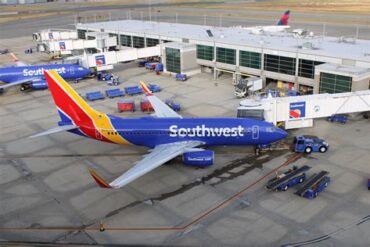
The enforcement action against American Airlines is not an isolated case. In the same week, the FAA proposed a $304,272 fine against Southwest Airlines for similar lapses involving 11 employees, including pilots and mechanics. Additional penalties include $65,000 against Avelo Airlines and $56,000 against Spring City Jet, both cited for failures related to random testing program inclusion.
Federal policy mandates that airlines conduct random drug testing on at least 25% of employees annually, alongside 10% alcohol testing rates. These programs are designed to serve as both a deterrent and a detection mechanism, ensuring ongoing compliance across the workforce.
Recent policy updates in 2024 have expanded testing requirements to include foreign-based maintenance workers servicing U.S.-registered aircraft, reflecting a more globalized approach to safety oversight. At the same time, the FAA has significantly increased financial penalties, with individual violations now exceeding $100,000 per infraction in some cases.
High-Profile Incidents Reinforce Zero-Tolerance Policy
The FAA’s intensified enforcement posture is underscored by a series of alarming incidents that have brought substance abuse risks into sharp focus. One of the most notable occurred in January 2025, when Southwest Airlines Captain David Allsop was arrested at Savannah International Airport after failing sobriety tests prior to a scheduled flight.
Although no passengers were harmed, the incident exposed vulnerabilities in pre-flight screening procedures. Allsop was subsequently terminated, had his pilot certification revoked, and later received a 10-month prison sentence after pleading guilty.
In another deeply troubling development, investigations into the fatal American Airlines Flight 5324 crash near Reagan National Airport (DCA) revealed gaps in post-incident substance testing protocols, including the failure to test air traffic controllers in the immediate aftermath. The crash, which claimed 67 lives, intensified scrutiny of regulatory enforcement and highlighted systemic weaknesses that extend beyond individual airlines.
Safety, Accountability, and the Cost of Compliance Failures
The FAA’s proposed fine against American Airlines represents more than a financial penalty—it is a signal of zero tolerance for lapses in substance control compliance. In an industry where safety margins are razor-thin, even minor procedural failures can have catastrophic consequences.
For airlines, the message is unmistakable: compliance is not optional, and robust internal oversight is essential to maintaining operational integrity. As regulators continue to tighten enforcement and increase penalties, carriers face mounting pressure to ensure that every employee entrusted with passenger safety meets the highest standards of accountability.
The coming weeks will determine how American Airlines responds, but the broader implications are already clear. The era of leniency in enforcement is fading, replaced by a more aggressive regulatory stance aimed at safeguarding the flying public through rigorous adherence to safety protocols.