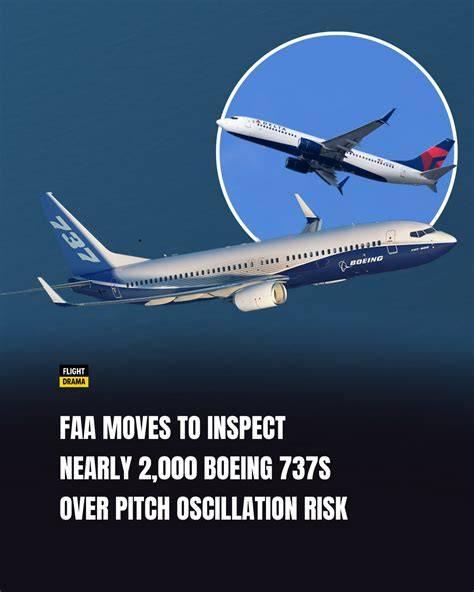
The Federal Aviation Administration has made mandatory the inspection of 1,987 US-registered Boeing 737 Next Generation aircraft after several operators reported that their jets’ noses moved up and down in flight. Airworthiness directive AD 2026-20-14 takes effect on November 23 and reaches the 737-600, -700, -700C, -800, -900 and -900ER, while the 737 MAX family sits outside its scope. The order targets excessive movement, known as freeplay, at the left and right horizontal stabilizer pivot hinges and at the jackscrew that drives the surface into position.
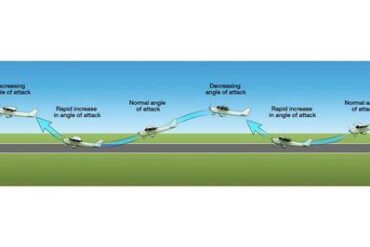
The FAA described the hazard in blunt terms: “The unsafe condition, if not addressed, could lead to a flutter event, which can result in loss of control of the airplane.” The agency confirmed the directive follows multiple pitch oscillation events traced to excessive horizontal stabilizer freeplay on 737NG aircraft but declined to say how many incidents were reported, when they occurred, or which carriers were involved. On the 737, the horizontal stabilizer pivots on two hinges and is repositioned by the jackscrew to set nose-up or nose-down trim; as those components wear, play accumulates, and unchecked play can allow the surface to flutter.
Airlines Sought Relief on Inspection Intervals, and the FAA Refused
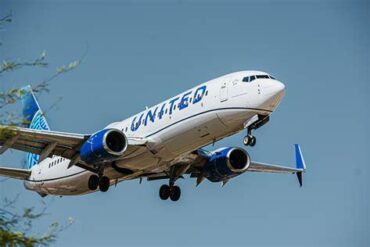
The rule was first proposed in January and finalized this week. United Airlines, with more than 300 affected jets, asked for longer gaps between repeat inspections and credit for checks already completed. Alaska Airlines wanted to repair worn parts immediately rather than run interim freeplay checks. Canadian North sought to push the initial deadline from 12 months to 36 months so the work could align with heavy maintenance visits. The FAA rejected all three, arguing the intervals exist to ensure excessive freeplay does not develop in either original or replacement parts.
Each inspection is estimated at six work hours and $510 per aircraft, placing the cost across the US fleet above $1 million before replacement parts. Operators must measure freeplay at both stabilizer hinges and the jackscrew, then repeat checks at specified intervals, repair, or replace worn components depending on the readings.
More Than 5,100 737NGs Fly Worldwide as Regulators Weigh Their Own Orders
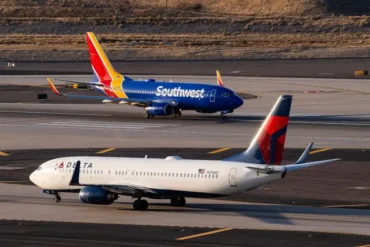
The directive binds only US-registered aircraft; civil aviation authorities elsewhere must decide whether to mirror the checks. Data from ch-aviation lists over 5,160 737NG aircraft active worldwide, and the 737-800 remains the most common commercial jet type in US service. Southwest Airlines operates the largest 737 fleet, with more than 800 737-family jets, over 500 of them -700 and -800 variants. Ryanair follows with more than 400 737NGs, ahead of United and American Airlines.
Boeing delivered more than 7,000 737NGs between 1997 and January 2020, when the final example was handed over. The family has absorbed sweeping inspections before: in 2019, cracks in the “pickle fork” structure joining wing to fuselage prompted FAA-ordered checks on US-registered 737NGs and led to dozens of groundings worldwide. This latest airworthiness directive adds another chapter to that maintenance record, turning a wear-and-tear measurement at the tail into a fleet-wide compliance deadline that arrives next month.