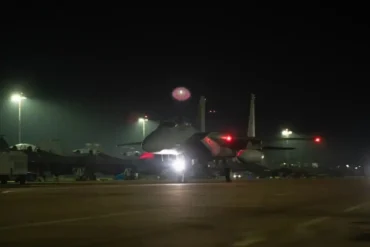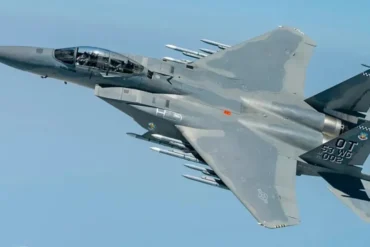
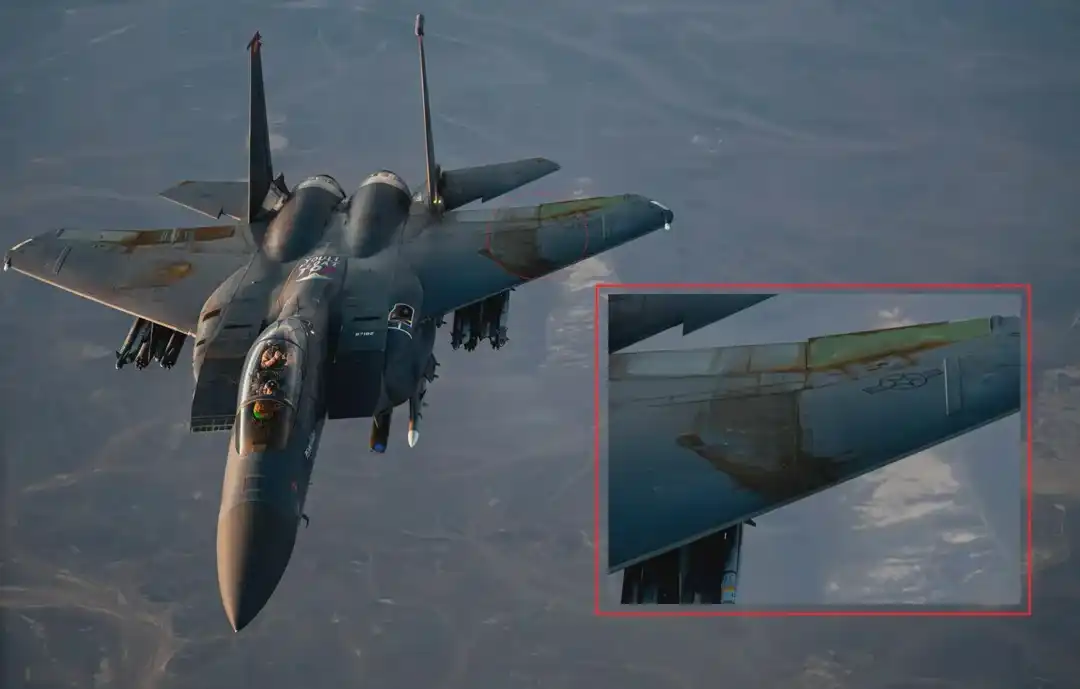
In the tight-knit Ace Combat community on Reddit, a simple post about a worn-out F-15E Strike Eagle flying a routine patrol mission over the United States sparked an unexpectedly spirited discussion.
The Reddit Thread That Started It All
The original post, titled “F-15E Strike Eagle worn out flys in a patrol mission in US,” ignited debate over the placement of “worn out” in the sentence. Some users quipped about grammar, while others accused the poster of being a Russian bot pushing propaganda. Amid the playful jabs, the thread organically shifted toward a deeper conversation about real-world fighter jet wear and tear.
From Grammar Nitpicks to Genuine Curiosity
Early comments ranged from humorous confusion—“Whaaat? Grammar? I don’t know her.”—to outright claims of foreign influence: “He’s a Russian bot.” One commenter even argued that the phrase order reflected a Russian-language structure. But soon enough, seasoned aviation enthusiasts steered the discussion toward the aircraft itself, recognizing that the plane’s weathered exterior held stories of its own.
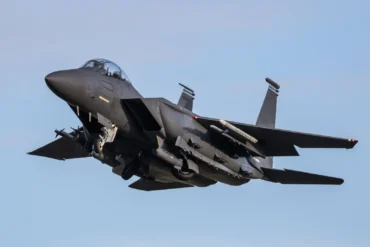
Understanding the Strike Eagle’s Weathered Appearance
Contrary to the notion of genuine rust, multiple users clarified that the F‑15E’s weathered camouflage results from operational realities:
- Salt corrosion from naval exercises or coastal patrols accelerates paint degradation.
- Sand buildup after sorties over desert training ranges can cake on the airframe.
- De‑icing fluid remnants may leave streaks and discoloration after high-altitude missions.
- Mechanic mishaps, such as spilled coffee during ground maintenance, can also leave stains that mimic corrosion.
This pragmatic perspective reassured readers that their beloved Strike Eagle was built to endure hard work, not neglect.
Tail Flash and Squadron Identity: Decoding “SJ”
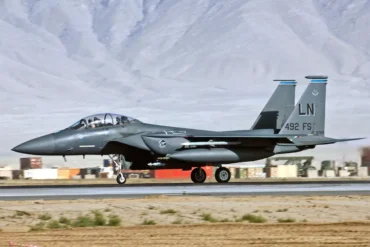
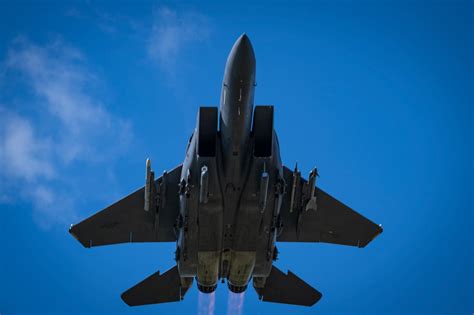
One of the thread’s most illuminating segments came from a self‑described “plane autist” who identified the jet by its tail flash “SJ.” This two‑letter code denotes the 389th Fighter Squadron, part of the 366th Fighter Wing based at Mountain Home AFB, Idaho. Such tail codes are the first clue in tracing an F‑15’s home station and operational pedigree.
Meet “Pennywise”: The Horror‑Villain Nose Art
Our subject aircraft is not only identifiable by its tail code, but also by its unique nose art and nickname:
- Airframe: F‑15E‑43‑MC, serial number 87‑0182
- Nickname: “Pennywise” in homage to the squadron’s horror‑villain theme
- Airbrake slogan: “You’ll float too,” a direct reference to Stephen King’s iconic clown
These personalized touches speak to squadron camaraderie and the tradition of morale‑boosting nose art.
A Step‑by‑Step Aircraft Identification Guide
For enthusiasts eager to replicate this level of detail, the thread outlined a systematic approach:
- Tail Code Recognition: Two letters immediately reveal the parent wing and home base. E.g., “SJ” = 4th Operations Group, 4th Fighter Wing at Seymour Johnson AFB (in Ace Combat, a nod to Wild Weasels!).
- Squadron Stripe Colors: Distinct colored stripes on the tail tip differentiate squadrons. Yellow for the 336th Rocketeers, blue for the 334th, red for the 333rd.
- Serial Number Lookup: The full serial (e.g., 87‑0182) appears under the tail flash, enabling cross‑reference with public records or Wikipedia squadron pages.
Armed with these three data points, any F‑15E can be cataloged with surprising precision.
Arming the Eagle: Weapon‑Deployment Markings Explained
Beyond aesthetics, the thread delved into the Strike Eagle’s combat record visible through weapon‑deployment markings:
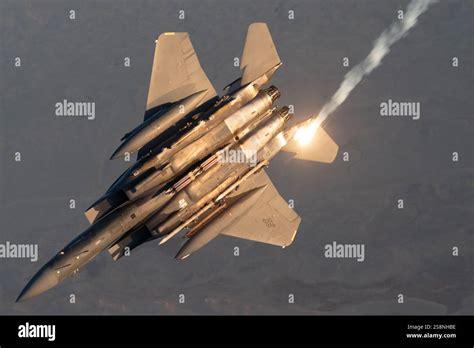
- APKWS Laser‑Guided Rockets: “Pennywise” bears 28 small rocket symbols—indicating seven rockets per pod across four wing stations. Despite the loadout, no drone kills were confirmed for this jet.
- JASSM Stealth Cruise Missiles: Seven symbols signifying JASSM engagements, hinting at high‑value strike missions.
- Squadmate Aces: Nearby F‑15Es “Reaper” (20 APKWS kills), “Chucky” (29 kills), and “Freddy” or “Jigsaw” (25 kills each) pushed modern drone‑hunting tallies to levels reminiscent of Ace Combat game stats.
This deep dive highlighted how live operations now mirror the slow‑moving, easily targeted drones of simulation lore.
Community Resources: Wikipedia and DCS Flight Simulation
Commenters emphasized two primary research tools:
- Wikipedia Squadron Pages: Detailed lineage, tail codes, and insignia colors for nearly every USAF fighter squadron.
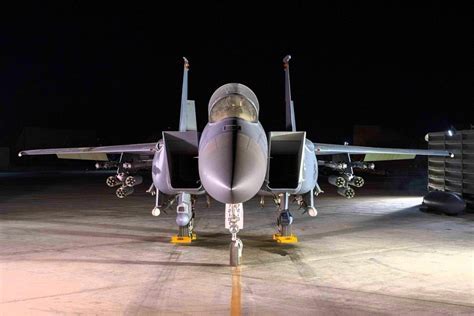
- DCS (Digital Combat Simulator): A flight‑sim platform where virtual F‑15E pilots study real‑world cockpit layouts, calling cards, and deployment procedures, leading to in‑depth knowledge of serial‑number lookup and loadout configurations.
These resources empower hobbyists and professionals alike to decode any fighter’s identity from a single photograph.
The Broader Significance of a “Worn‑Out” Jet
While the thread began with a grammar debate, it evolved into a case study on the resilience of the F‑15E Strike Eagle:
- Operational Tempo: Continuous deployments in varied climates—from coastal anti‑ship drills to desert counter‑drone operations—push maintenance crews and airframes to the limit.
- Maintenance Realities: Ground crews must balance mission readiness with detailed cleanings, often prioritizing flight schedule over cosmetic perfection.
- Morale and Tradition: Personalized nose art and slogans strengthen squadron identity, turning a battle‑scarred jet into a symbol of unit pride.
In many ways, the so‑called “worn out” look is a badge of honor, reflecting the live fire, real‑world missions that keep our skies secure.
Conclusion: Beyond the Surface
By peeling back the layers of online banter, the Reddit thread showcased how a single image of a weathered F‑15E can unlock a wealth of aviation lore. From tail‑code detective work to loadout analytics, enthusiasts demonstrated that true jetspotting involves more than meets the eye. And while grammar critiques may fade, the story of “Pennywise” and its squadron legacy will endure—in pixels, in paint, and in the sky.