India’s fighter jet modernization drive has entered a critical phase, as the Indian Air Force (IAF) evaluates proposals from leading global aerospace powers. With legacy platforms like the MiG-21 and MiG-27 nearing retirement, and with two squadrons of Rafale jets already inducted, the question remains: what’s next for India’s air superiority doctrine? The answer may lie in Lockheed Martin’s F-21, a 4.5-generation aircraft tailored specifically for India and offered with promises of local production and technology collaboration.
India’s ambition to become a self-reliant military power while simultaneously enhancing its air combat capabilities has drawn it into a strategic triangle. Russia, France, and the United States have each made their case. But unlike the Sukhoi-57 or the F-35, the F-21 has struck a unique chord: it is advanced, affordable, and made for India.
Why the F-21 Is Not Just Another F-16
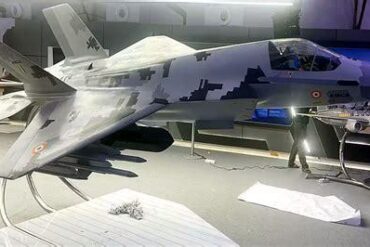
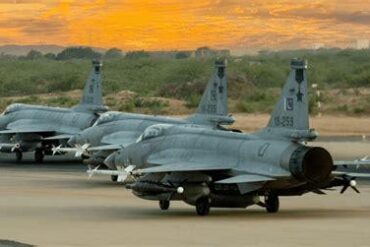
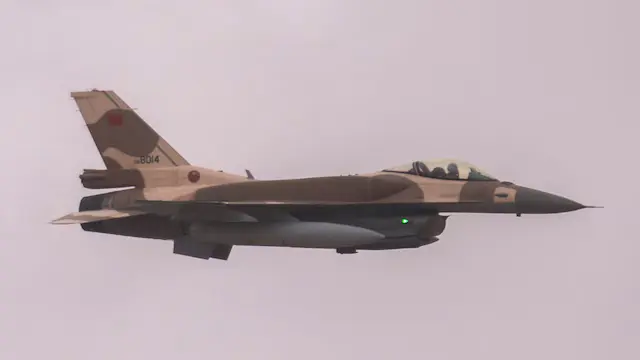
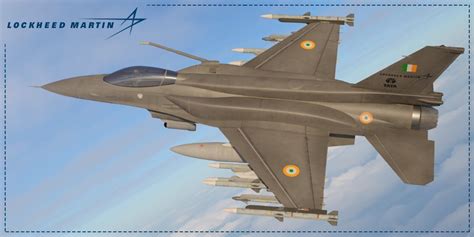
The F-21 is not a rebranded F-16. While it draws structural lineage from the F-16 Fighting Falcon—used extensively by nations like Pakistan—the F-21 has been heavily modified to meet India’s operational and industrial demands. Lockheed Martin emphasizes that the F-21 is a bespoke solution, not available to any other country.
Among its standout features are:
- AESA (Active Electronically Scanned Array) radar for superior situational awareness.
- Advanced cockpit architecture for ease of mission control.
- Triple missile launchers per wing—increasing payload capacity significantly.
- Provisions for both air-to-air and air-to-ground combat missions.
Lockheed has proposed that production take place in India in partnership with the Tata Group, aligning with Prime Minister Modi’s Make in India initiative. This not only promises technology transfer but could help transform India into a global defense manufacturing hub.
Comparing the F-21 and F-35: Capability vs Pragmatism
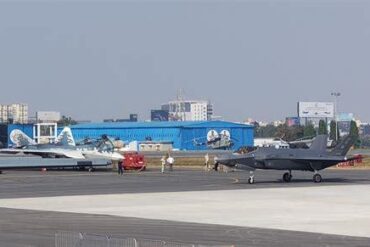
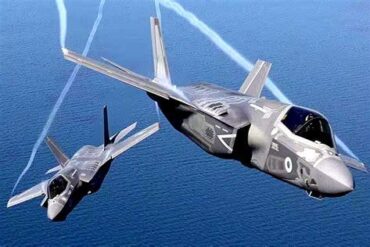
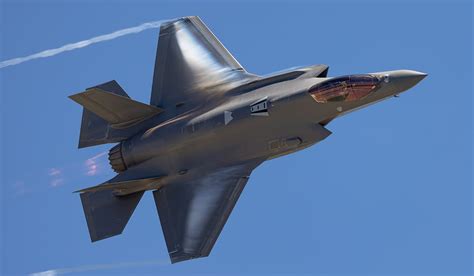
The American F-35 Lightning II is an undisputed marvel of fifth-generation combat technology. Equipped with stealth coatings, sensor fusion, and next-gen communications systems, the F-35 offers unmatched capabilities. But with a per-unit cost ranging between $110 to $150 million, and with high maintenance demands, the F-35 is a considerable financial and logistical commitment.
By contrast, the F-21, with a projected unit cost of $100 million, provides a more economically viable pathway for modernization. Furthermore, the F-21 sidesteps the sensitive political complications associated with technology access restrictions imposed on F-35 exports. India, having faced limited access to Rafale source codes, is particularly wary of such constraints.
India’s Dilemma: Sovereignty, Capability, and Cost
India’s procurement decisions are no longer based solely on battlefield performance. Geopolitical alignment, industrial benefits, and strategic autonomy are increasingly defining factors. The Rafale, despite its capabilities, came with caveats—most notably, no full control over software upgrades or source codes. India seeks more than just a transactional buyer-seller arrangement.
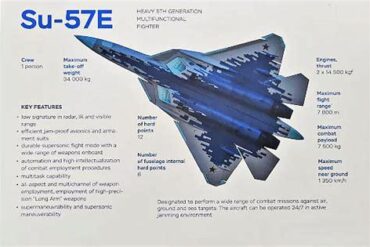
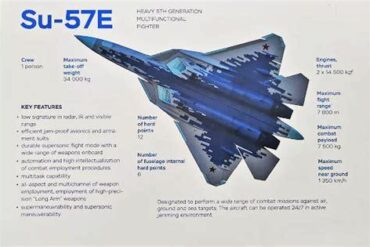
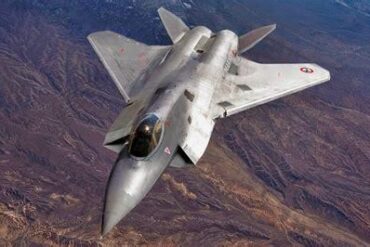
Russia’s Su-57, another option, is plagued by production delays and unresolved questions around stealth effectiveness and reliability. Furthermore, as India diversifies its defense procurement away from Russian systems, the strategic weight shifts toward Western platforms.
This is where the F-21 stakes its claim. It offers:
- Customizability for Indian operations
- Local manufacturing with long-term industrial impact
- Lower procurement and life-cycle cost than the F-35
The Industrial Payoff: Made in India, Flown by India
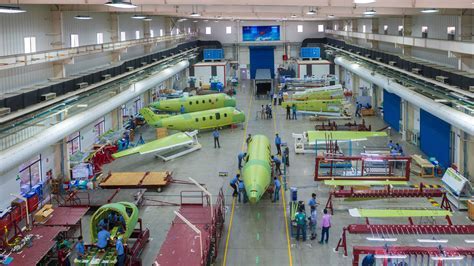
Lockheed Martin’s CEO Jim Taiclet has affirmed that the F-21 will not just be assembled in India—it will be produced, meaning supply chains, avionics, components, and maintenance infrastructure could be fully localized. This opens doors to long-term partnerships, potential export revenue, and job creation within India’s aerospace sector.
The Tata-Lockheed alliance has already demonstrated success through the C-130J transport aircraft assembly in India. The F-21 promises to take this collaboration to new heights, possibly transforming India into a net exporter of advanced combat aircraft components.
A Strategic Pivot in U.S. Arms Policy
The U.S. has historically been selective in sharing advanced military technologies. The F-22 Raptor, for example, has never been exported. The F-35, though more widely available, comes with stringent conditions. India, seen as a non-NATO Tier-2 partner, was initially excluded from any such transfer.
However, with China’s J-20 and Russia’s Su-57 being marketed to India’s neighbors and potential adversaries, the U.S. appears to be rethinking its approach. While Lockheed still considers India “not ready” for the F-35 in its current trajectory, the F-21 is offered as a bridge platform—advanced enough to deter threats, and accessible enough to be deployed swiftly.
Replacing the MiG Legacy: Timing Is Everything
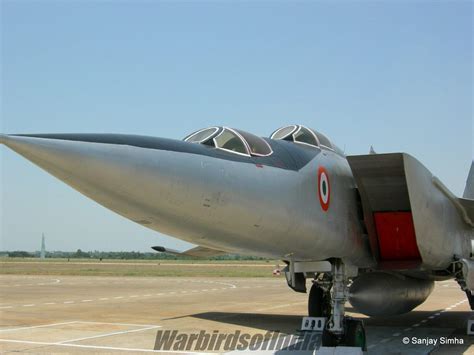
India’s old fleet of MiG-21s and MiG-27s, long considered workhorses of the IAF, are increasingly seen as outdated liabilities. With multiple high-profile crashes and safety concerns, retiring these jets is not just about modernization—it is a matter of operational safety and combat readiness.
The F-21’s readiness for production, combined with its adaptable architecture, makes it a timely replacement. Unlike the F-35, which requires infrastructure overhauls, or the Su-57, which remains largely untested, the F-21 can be introduced into the IAF’s existing ecosystem with minimal friction.
Conclusion: An Inflection Point for Indian Air Power
India stands at a crucial crossroads. The next major fighter jet acquisition will shape its air power strategy for decades. In the face of regional threats, budgetary limitations, and the ambition to become an aerospace power, the F-21 emerges as a compelling option.
It is not just a jet—it is a strategic enabler, offering military capability, industrial capacity, and geopolitical leverage. While the allure of the F-35’s stealth or the Su-57’s brute power may attract headlines, the F-21’s balanced promise—customization, co-production, and cost-efficiency—might just make it the ideal warbird for India’s future skies.