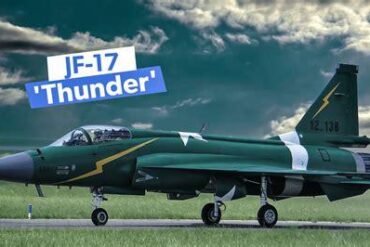
On January 6, 2026, the Bangladesh Air Force (BAF) entered formal high-level talks with the Pakistan Air Force (PAF) in Islamabad, signaling a major shift in Dhaka’s defense procurement strategy. Central to the dialogue was the potential acquisition of 20 to 32 JF-17 Thunder multirole fighter jets, a decision that could redefine the operational trajectory of the BAF under its long-term Forces Goal 2030 modernization plan.
Strategic Talks Signal Shift in Regional Alliances
The Islamabad meeting, attended by Air Chief Marshal Hasan Mahmood Khan of Bangladesh and Air Chief Marshal Zaheer Ahmed Baber Sidhu of Pakistan, was not merely ceremonial. While marked by traditional military protocols, including a guard of honour, the talks had deep strategic undertones. With both sides prioritizing operational cooperation, the discussions covered aircraft acquisition, training integration, and long-term sustainment—a holistic approach toward redefining Dhaka-Islamabad defense ties.
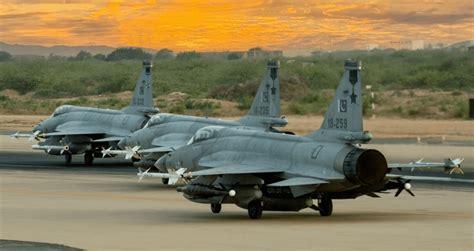
JF-17 Thunder: A Cost-Effective Multirole Option
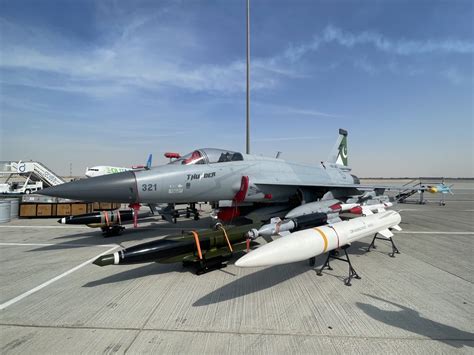
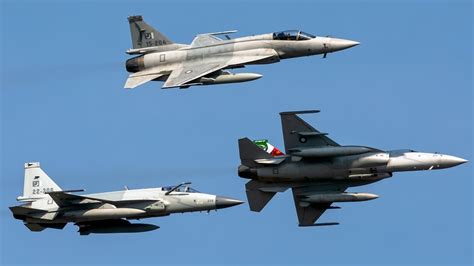
The JF-17 Thunder, co-developed by Pakistan Aeronautical Complex and Chengdu Aircraft Industry Corporation, has emerged as a pragmatic choice for Bangladesh. Designed for air-to-air, ground attack, and maritime strike roles, the JF-17 is powered by the Russian RD-93 engine, giving it logistical synergy with Bangladesh’s existing MiG-29s. It delivers performance capabilities with speeds ranging from Mach 1.6 to 1.8, a service ceiling of approximately 17,000 meters, and a maximum takeoff weight of 13,500 kilograms.
Particularly appealing is the Block III variant, which features advanced avionics including the KLJ-7A AESA radar, helmet-mounted display and sight system, electronic warfare upgrades, and support for beyond-visual-range (BVR) missiles like the PL-15E and PL-10E. These capabilities mark a substantial leap from the aging fleet of F-7s and MiG-29s currently operated by the BAF.
Training and Sustainment: A Pillar of Cooperation
In addition to hardware acquisition, the discussions placed considerable emphasis on training and sustainment. Pakistan offered a comprehensive training framework, including basic to advanced pilot training across PAF institutions. This would be supplemented by the expedited delivery of Super Mushshak trainer aircraft, ensuring Bangladesh’s ability to rapidly transition to new platforms without disrupting operational continuity.
Such training alignment is vital for BAF’s readiness to absorb the next generation of aircraft, particularly given its current reliance on a mix of Chinese and Russian platforms, many of which are nearing obsolescence. Sustained maintenance support, radar system integration, and logistical cooperation were also central themes, further deepening the potential defense partnership.
Regional Dynamics: A Recalibrated Relationship
The talks arrive during a period of realignment in South Asia’s strategic dynamics. Following political unrest in August 2024 and the departure of former Prime Minister Sheikh Hasina to India, Dhaka’s relations with New Delhi have cooled. Since then, Bangladesh and Pakistan have resumed direct trade, their first such engagement since the 1971 Liberation War.
This renewed diplomacy has extended into the defense arena, with both sides exploring institutional cooperation and mutual training initiatives. Pakistan’s operational experience during the May 2025 conflict with India has strengthened its defense industry’s credibility, particularly the proven battlefield use of its aircraft and radar systems.
Bangladesh’s Combat Fleet: Aging and Stretched
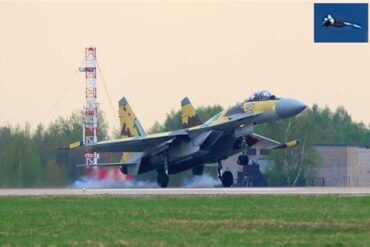
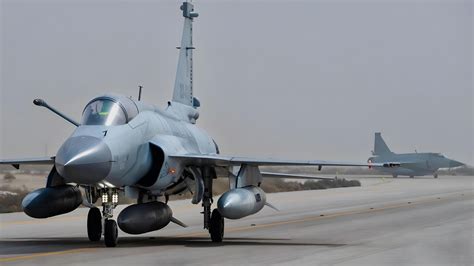
Bangladesh’s fighter fleet—particularly its 50 F-7s and eight MiG-29s—is becoming increasingly untenable. Acquired in the late 1990s and earlier, these aircraft are limited in sensor fidelity, weapons integration, and network-centric warfare capability. Repeated delays in procurement—due to tender cancellations and political hesitations—have prolonged fleet vulnerability, despite clear goals outlined in Forces Goal 2030.
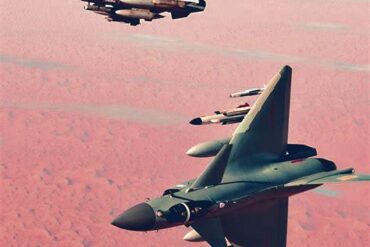
The procurement of 20 Chengdu J-10CEs, tentatively signed in 2025, has been clouded by uncertainty. Although valued at approximately $2.2 billion, the deal’s full implementation is in doubt. Similarly, a letter of intent for Eurofighter Typhoons, signed in December 2025, remains speculative and financially burdensome.
Against this backdrop, the JF-17’s affordability and customization options have made it a more realistic contender. Its export-oriented production at PAC Kamra and a scalable production rate of around 20 units per year enhance its viability for air forces operating within constrained defense budgets.
Forces Goal 2030 and the Need for Modernization
The Forces Goal 2030, revised in 2017, seeks to elevate the BAF into a technologically advanced service capable of defending Bangladesh’s airspace while integrating seamlessly with ground and naval operations. The vision includes introducing 20 to 32 new-generation fighters, aligning perfectly with the JF-17’s proposed acquisition scale.
Currently, the BAF operates over 200 aircraft across fighter, training, transport, and helicopter roles, with an estimated 17,000 active personnel. The scope of modernization also requires building maintenance and logistics infrastructure, expanding pilot throughput capacity, and enhancing air surveillance systems. The integration of radar systems was specifically discussed in Islamabad, hinting at a broader ambition to establish networked air defense coverage.
Defense Exports as a Pakistani Strategic Tool
The Pakistan Air Force, amid growing confidence from its recent operational track record, is leveraging the JF-17 as a diplomatic and commercial instrument. By offering not just aircraft, but a turnkey package that includes training, sustainment, and systems integration, Islamabad is positioning itself as a full-spectrum defense partner.
Such a package is appealing to Dhaka, which requires more than just a platform—it needs a long-term support ecosystem to ensure fleet viability and skill retention across generations of pilots and engineers. Given Bangladesh’s budgetary limitations and the high cost of Western platforms, the JF-17 acquisition—backed by a friendly nation with shared strategic interests—represents a strategically calculated move.
The Path Forward
While no contract has been signed yet, the January 2026 meeting represents a clear signal of intent. Should the BAF proceed with the acquisition, it would mark one of the most significant steps in reshaping its operational capabilities in decades.
The next phase may involve technical evaluations, field trials, and potentially bilateral agreements covering weapons packages, radar integration, and tactical data links. If finalized, deliveries could begin within 24 to 36 months, depending on production slots and financing arrangements. With support from the PAF, the JF-17 could quickly become a mainstay of Bangladesh’s combat aviation architecture.
For now, the move represents not just a procurement shift, but a broader realignment in Bangladesh’s defense posture and regional affiliations, with the potential to impact South Asia’s strategic balance for years to come.