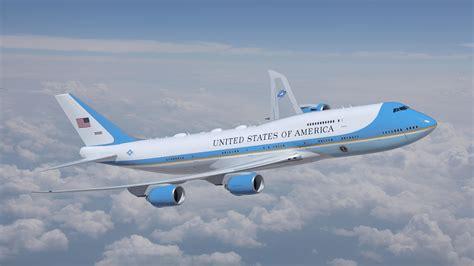
The decision by the U.S. Air Force to acquire used Boeing 747-8 aircraft may seem counterintuitive in an era dominated by cutting-edge aerospace innovation. Yet beneath the surface lies a calculated, highly strategic move—one that reflects the complex realities of maintaining presidential airlift capability in a rapidly evolving aviation landscape. Rather than signaling a shortage of resources, this procurement underscores a deeper challenge: bridging the operational gap between legacy aircraft and their technologically advanced successors.
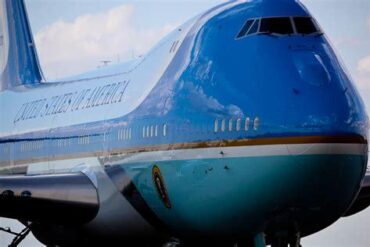
At the heart of the story is the transition from the aging VC-25A, derived from the Boeing 747-200, to the next-generation VC-25B, based on the far more sophisticated 747-8 platform. These aircraft are not simply upgrades; they represent a generational leap in avionics, communications, survivability systems, and propulsion efficiency. However, such a leap introduces a critical bottleneck—training and sustainment.
Unlike conventional aircraft deliveries, the VC-25B program cannot rely on a seamless handover. The complexity of presidential aircraft demands that pilots, engineers, and maintenance crews are fully trained long before the aircraft becomes operational. This creates a paradox: how do you train on a platform that isn’t yet available in its final form?
Training for the Future Before It Arrives
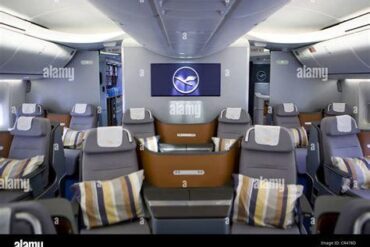
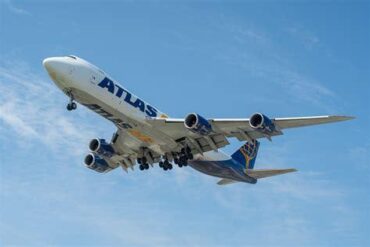
To solve this, the Air Force has turned to Lufthansa’s fleet of Boeing 747-8s, acquiring two retired passenger jets at a cost of approximately $400 million. These aircraft serve as essential training platforms, allowing crews to familiarize themselves with the airframe, systems architecture, and maintenance procedures well ahead of the VC-25B’s expected entry into service around 2028.
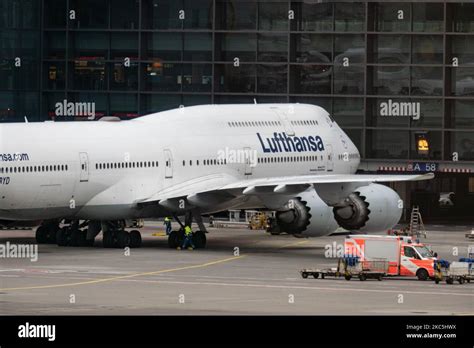
This approach reflects a broader truth in military aviation: training pipelines must evolve in parallel with hardware acquisition. The 747-8 introduces advanced digital avionics, updated flight control systems, and more efficient engines compared to the decades-old 747-200. Without hands-on experience, transitioning crews would face steep learning curves that could compromise readiness.
The acquisition also enables ground crews to develop maintenance protocols tailored to the new aircraft. Unlike commercial operators, the Air Force cannot rely on external support networks; it must build an internal ecosystem capable of sustaining the aircraft under any conditions.
A Vanishing Aircraft Creates Strategic Urgency
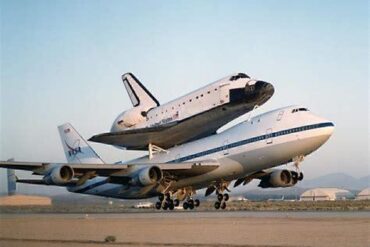
Complicating matters further is the fact that the Boeing 747 is no longer in production. The final aircraft rolled off the assembly line in 2022, marking the end of an era for one of aviation’s most iconic platforms. By 2025, only a handful of passenger-configured 747s remained in active service worldwide.
This scarcity introduces a logistical dilemma. Spare parts, specialized components, and even technical expertise are becoming increasingly rare. For a mission as critical as presidential transport, reliance on a dwindling global supply chain is simply unacceptable.
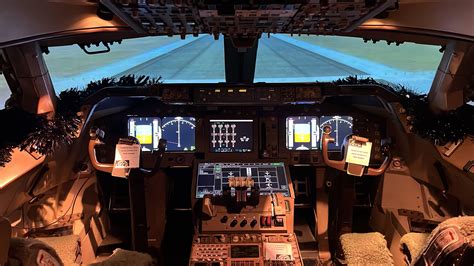
By acquiring complete airframes from Lufthansa, the Air Force effectively secures a self-contained запас of components and systems. These aircraft can be used not only for training but also as sources of spare parts, ensuring long-term sustainability of the VC-25B fleet.
More Than Airplanes: A Strategic Insurance Policy
The purchase also reflects a pragmatic understanding of risk management. The VC-25B program has already faced delays, cost overruns, and technical challenges. In such an environment, contingency planning becomes essential.
These secondhand 747-8s act as a form of operational insurance, providing flexibility in case of further delays or unforeseen complications. They allow the Air Force to test procedures, validate maintenance workflows, and refine training programs without placing additional strain on the primary development timeline.
Interestingly, the original VC-25B airframes themselves were not built from scratch for the Air Force. They were initially intended for a Russian airline but were never delivered, further highlighting the unusual and opportunistic nature of this entire program.
Old Jets Supporting New Power
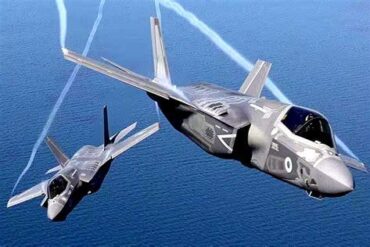
There is a certain irony in the Air Force’s approach. While investing heavily in next-generation platforms such as advanced stealth fighters and sixth-generation systems, it is simultaneously turning to retired commercial aircraft to secure the future of its most visible mission.
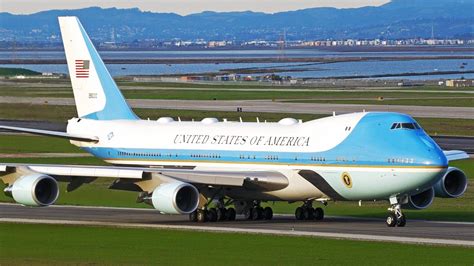
Yet this duality is precisely what makes the strategy effective. Cutting-edge technology alone cannot guarantee operational readiness; it must be supported by robust training, reliable logistics, and sustainable maintenance frameworks. In this context, the acquisition of used Boeing 747s is not a step backward—it is a deliberate move forward.
By bridging the gap between past and future, the Air Force ensures that when the VC-25B finally takes to the skies, it will do so backed by a fully prepared ecosystem. And in the world of presidential airlift, where failure is not an option, that preparation makes all the difference.