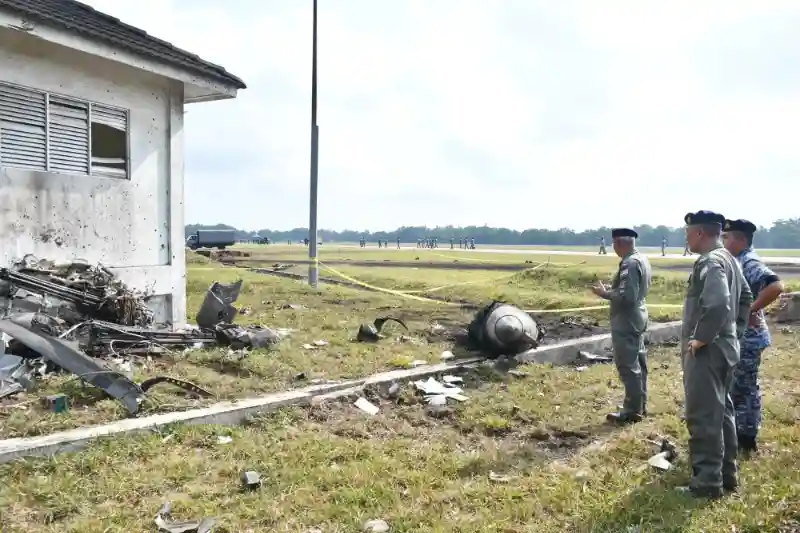
A dramatic incident unfolded at Kuantan Air Base on Thursday night when one of Malaysia’s F/A-18D Hornets burst into flames during take-off. The Royal Malaysian Air Force (RMAF) confirmed that both the pilot and the weapons systems officer ejected safely and were later discharged from a military hospital without serious injuries. The mishap, which occurred at approximately 9:05 p.m. local time, comes at a sensitive moment for Malaysia, as the nation is actively pursuing the acquisition of 33 additional Hornets from Kuwait to bolster its air combat capabilities.
The Incident at Kuantan Air Base
According to a statement released by the RMAF, the aircraft was involved in a routine training mission when the fire broke out. Viral footage of the event shows the fighter jet engulfed in flames just as it attempted to lift off, producing a flash of light followed by debris strewn across the runway. Photos later published by the air force revealed fragments of the aircraft scattered near the tarmac, highlighting the severity of the accident.
The crew members—a 34-year-old pilot and a 28-year-old weapons system officer—were fortunate to survive thanks to timely ejection procedures. General Muhamad Norazlan Aris confirmed that both officers are stable, and the RMAF has launched a comprehensive investigation to determine the root cause of the malfunction. Malaysian Prime Minister Anwar Ibrahim also directed authorities to ensure a full inquiry, emphasizing the importance of safety in military aviation operations.
Malaysia’s Fleet of Hornets
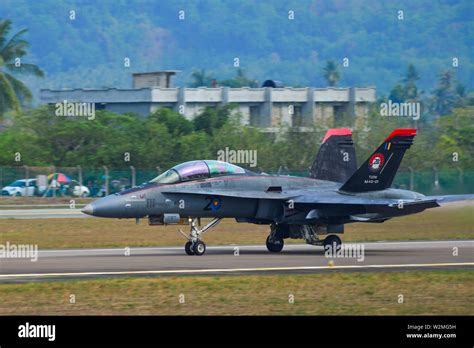
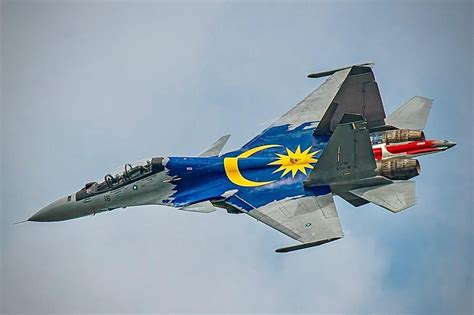
Malaysia acquired its fleet of F/A-18D Hornets in 1997, operating eight of the twin-engine multirole fighters for nearly three decades. Despite their age, these jets remain a critical backbone of the country’s air defense strategy. The Hornet’s versatility allows it to perform both air-to-air combat and ground attack missions, making it a key asset in Malaysia’s limited but capable fighter inventory. Alongside these aircraft, Malaysia also operates 18 Russian-built Su-30MKM fighters, providing the RMAF with a mix of Western and Eastern technology.
This latest mishap is not the first for Malaysia’s Hornets. In 2019, another aircraft suffered an engine fire during a take-off demonstration at an aerospace exhibition, which was later attributed to foreign object damage. These repeated incidents raise questions about the sustainability and safety of Malaysia’s aging Hornet fleet.
A Global Pattern of Hornet Mishaps
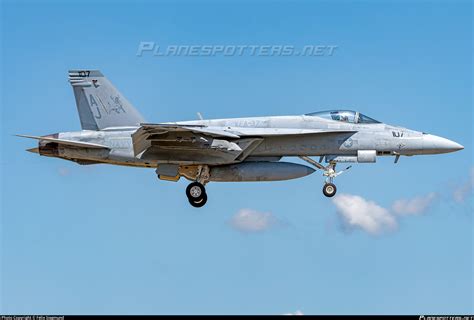
The Malaysian accident is part of a troubling trend of recent Hornet-related mishaps worldwide. Just one day prior, a US Navy F/A-18 Super Hornet crashed off the coast of Virginia during a training exercise. The pilot survived, but the investigation into the cause remains ongoing. Earlier in the year, the US Navy also lost another Super Hornet after it rolled off the USS Harry S. Truman, marking the second such accident involving the same carrier in under two months.
Even more alarmingly, in December of the previous year, a US Super Hornet was mistakenly downed by a US Navy missile cruiser in a friendly-fire incident over the Red Sea. With each Super Hornet costing upwards of $60 million, the cumulative loss of aircraft highlights both the high financial stakes and the inherent risks of modern military aviation.
These global mishaps underscore the challenges faced by operators of the Hornet family, from the original F/A-18A/B and C/D variants to the more advanced Super Hornets. While the jets remain reliable workhorses, their long service history and demanding operational environments have exposed vulnerabilities that continue to emerge.
Malaysia’s Procurement Plans
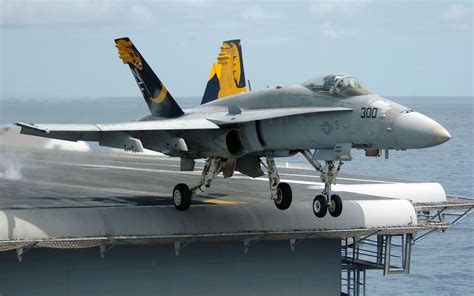
Despite the recent accident, Malaysia is moving forward with plans to expand its Hornet fleet. In June, the US government approved Malaysia’s request to purchase 33 secondhand F/A-18C/D Hornets from Kuwait. Kuwait is phasing out its Hornets in favor of F/A-18E/F Super Hornets and Eurofighter Typhoons, making the sale possible. The acquisition aims to reinforce Malaysia’s limited fast-jet capability, especially given the slow pace of defense modernization in recent years.
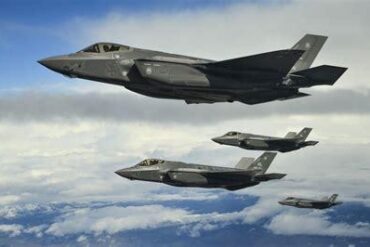
For Malaysia, the Kuwaiti Hornets present a cost-effective option compared to acquiring brand-new fifth-generation fighters like the F-35 Lightning II, which are beyond the country’s current defense budget. However, the recent mishap at Kuantan raises difficult questions: is Malaysia doubling down on an aircraft design that is approaching obsolescence, or is it making a pragmatic choice to extend its capabilities until a more modern replacement can be secured?
Operational Challenges and Safety Concerns
The F/A-18 Hornet, developed in the late 1970s by McDonnell Douglas (now Boeing), has proven itself as a versatile and durable aircraft. Its ability to operate from both aircraft carriers and land bases made it a cornerstone of US and allied air power for decades. Yet, with more than 30 years in service, many of these airframes are showing signs of wear, and maintenance costs are rising.
For Malaysia, keeping the Hornets airworthy requires significant investment in spare parts, upgrades, and engine overhauls. While Boeing continues to provide support, the focus of the manufacturer has shifted to the Super Hornet and next-generation fighters, leaving operators of older Hornets dependent on limited global supply chains. This reliance adds both logistical and financial burdens to the RMAF.
Moreover, the safety record of aging Hornets has come under scrutiny. Engine fires, take-off mishaps, and system failures are recurring issues as the aircraft age. Malaysia’s latest accident will likely intensify debates within defense circles over whether continued reliance on Hornets is a sustainable strategy.
Strategic Implications for Malaysia
The timing of the Kuantan incident is particularly sensitive. Malaysia sits at a strategic crossroads in Southeast Asia, where regional security tensions are mounting. With disputes in the South China Sea, Malaysia requires a capable and reliable air force to secure its maritime boundaries and maintain deterrence. The Hornets, despite their age, remain a vital element in that equation.
By acquiring secondhand Kuwaiti Hornets, Malaysia aims to buy time while avoiding a costly leap to fifth-generation aircraft. However, critics argue that patching together fleets of older jets risks undermining long-term air power. They contend that Malaysia should prioritize a transition to modern platforms—whether through new-build Super Hornets, the Dassault Rafale, or even long-term consideration of the F-35.
The incident may also complicate Malaysia’s domestic politics. Defense spending is often a contentious issue, with opposition parties questioning large-scale acquisitions while other national priorities remain underfunded. Prime Minister Anwar Ibrahim’s call for a thorough investigation may also be a political maneuver to assure the public of accountability and transparency.
The Road Ahead for the RMAF
The RMAF now faces two pressing challenges: identifying the cause of the Kuantan fire and determining how best to proceed with the Kuwaiti Hornet deal. If the investigation reveals systemic flaws in Malaysia’s existing Hornets, it could spark broader debates about the wisdom of investing in more of the same type. On the other hand, if the incident is attributed to maintenance lapses or isolated technical failures, the acquisition may proceed with minimal changes.
Beyond the Hornets, Malaysia must also address the long-term modernization of its fighter fleet. The Su-30MKM fighters remain relatively modern, but even they will require upgrades to stay competitive in an era of increasingly sophisticated adversaries. A balanced fleet, combining affordability with cutting-edge technology, will be essential if Malaysia hopes to maintain relevance in the region’s rapidly evolving security environment.
Conclusion
The fiery take-off accident at Kuantan Air Base underscores both the resilience and fragility of Malaysia’s air combat capability. While the survival of the crew speaks to effective training and safety protocols, the destruction of another Hornet highlights the precarious state of Malaysia’s small and aging fleet. As Kuala Lumpur weighs the acquisition of Kuwaiti Hornets, it must carefully balance short-term operational needs with the imperative of long-term modernization.
Whether the incident becomes a catalyst for broader reforms or a footnote in Malaysia’s defense history will depend on the transparency of the investigation, the resolve of policymakers, and the ability of the RMAF to adapt to the evolving realities of modern air power.