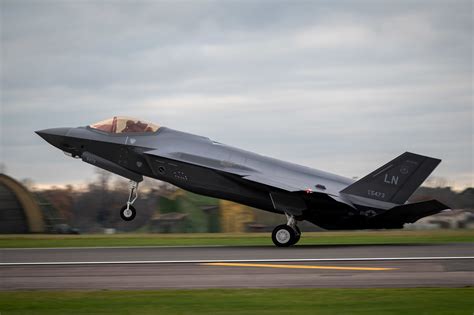
The United Kingdom is on course to significantly reshape its fast jet fleet, with the government confirming plans to introduce the F-35A variant alongside the existing F-35B fleet. This marks a strategic pivot in Royal Air Force (RAF) doctrine and has major implications for the UK’s future role in NATO’s nuclear posture.
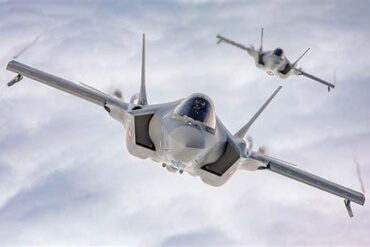
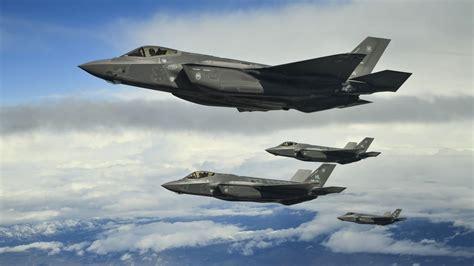
The confirmation came via Defence Minister Maria Eagle, responding to a parliamentary question, where she outlined the government’s intent to adopt a “new mix of F-35Bs and F-35As.” While the F-35B has been central to British air power strategy—especially for aircraft carrier operations—this statement represents the first clear signal that the UK is preparing to incorporate the conventional take-off and landing F-35A model into its operational plans.
Strategic Review Signals a Doctrinal Shift
The Strategic Defence Review (SDR), recently published by the Ministry of Defence, underscored the importance of expanding the F-35 fleet and highlighted that future procurement would likely include both A and B variants. The document states:
“More F-35s will be required over the next decade. This could comprise a mix of F-35A and B models according to military requirements to provide greater value for money.”
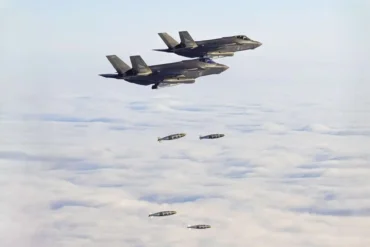
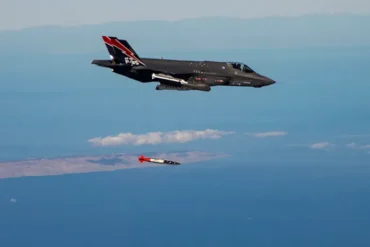
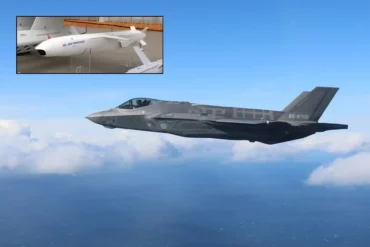
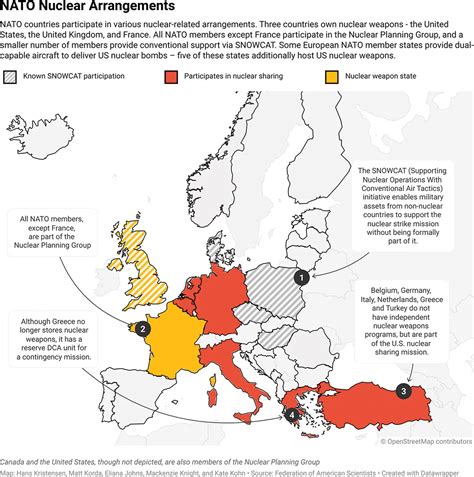
The rationale for this mixed fleet is twofold. Firstly, the F-35A is considerably cheaper per unit than the B variant. Secondly, the A variant is the only version currently certified to deliver the B61-12 nuclear gravity bomb, the core munition for NATO’s nuclear sharing arrangements. This strategic utility makes the F-35A an essential platform for nations looking to participate in NATO’s nuclear deterrence framework.
Nuclear Mission Alignment with NATO
Although the United Kingdom maintains its own independent nuclear deterrent in the form of Trident-armed submarines, the SDR’s suggestion to engage in NATO’s nuclear sharing mission signals a transformative expansion of Britain’s nuclear responsibilities within the alliance. Defence Secretary John Healey confirmed in the Commons that the UK had accepted a recommendation to begin discussions with the US and NATO on enhancing its role in the nuclear mission.
“I will not comment in public on those discussions,” Healey stated, “but this is what putting NATO first looks like.”

This new trajectory mirrors a path recently taken by Germany, which initially planned to acquire F/A-18 Super Hornets to replace its Tornado fleet for the nuclear mission. However, geopolitical shifts—most notably Russia’s invasion of Ukraine—prompted Berlin to opt instead for 35 F-35As in 2022. The UK’s current position seems to follow a similar logic: capability enhancement under pressing security conditions.
F-35A: Cost-Effectiveness and Capability
While the F-35B excels in STOVL operations—particularly from Royal Navy carriers like HMS Queen Elizabeth and HMS Prince of Wales—it comes at a significantly higher cost. Conservative MP Ben Obese-Jecty brought this issue to the floor, referencing the US Marine Corps’ 2025 aviation plan. The Marines have cut 73 F-35Bs in favor of the F-35C, leading to a projected price spike for the B variant.
“The upshot is that the unit price of each B aircraft is about to increase by tens of millions,” Obese-Jecty warned.
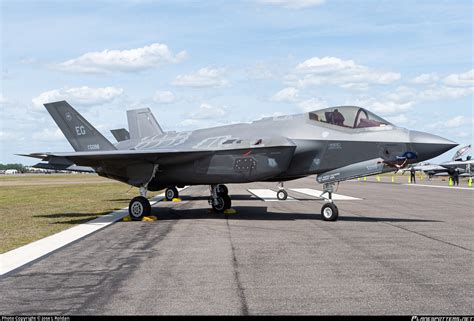
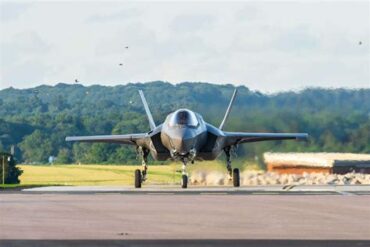
Moreover, the F-35A’s greater range, superior payload, and nuclear certification render it a versatile asset for deep-strike missions and long-range interdiction, making it particularly suitable for the NATO role. By contrast, the F-35B’s design sacrifices some performance for the sake of vertical landing and takeoff—a capability critical for maritime operations but less essential for strategic air-delivered nuclear deterrence.
Carrier Conversion and CATOBAR Debates
The potential shift to a mixed fleet has raised questions about the future adaptability of the Royal Navy’s aircraft carriers. Specifically, speculation continues around whether the UK might eventually convert its carriers to CATOBAR (Catapult Assisted Take-Off But Arrested Recovery) systems to support a wider array of aircraft, including potentially the F-35C variant.
This scenario remains hypothetical, however. Defence officials have made no indication that such a conversion is imminent, and Maria Eagle’s comments suggest that the focus remains squarely on expanding F-35 capabilities through A and B variants, not introducing C models or modifying carriers.
Strategic Implications for NATO Cohesion
From a geopolitical perspective, the UK’s anticipated procurement of the F-35A is a move that bolsters NATO cohesion at a time when alliance unity is under constant strain. With the United States encouraging more member states to shoulder nuclear responsibilities, London’s potential entry into the air-delivered nuclear mission could strengthen collective deterrence.
It also sends a strategic message to adversaries, particularly Russia, that Britain is willing to extend its nuclear posture beyond submarines to include flexible, alliance-integrated aerial platforms. This layered deterrence model is viewed as critical for escalation control and crisis stability in scenarios involving Eastern European flashpoints.
Operational and Industrial Ramifications
The integration of the F-35A into the RAF also entails adjustments in infrastructure, pilot training, and maintenance ecosystems. F-35As operate from traditional runways, unlike their B counterparts, which require specially reinforced decks. As such, the RAF will need to enhance its airfield readiness for conventional fast jet operations under nuclear protocols.
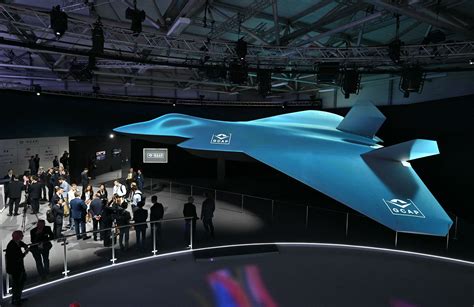
Furthermore, the UK’s participation in the Global Combat Air Programme (GCAP)—an international collaboration with Japan and Italy to develop a sixth-generation fighter—will continue in parallel. Maria Eagle reaffirmed the government’s commitment to GCAP, Typhoon upgrades, and exports. However, the dual procurement tracks highlight a complex balancing act between future force design and present-day deterrence needs.
Timing and Political Calculations
Although procurement timelines for the F-35A have not been formally announced, defence analysts believe initial discussions with Lockheed Martin and the Pentagon are likely already underway. A formal announcement could coincide with a future Strategic Command update or a bilateral summit involving US-UK defence leaders.
Domestically, the move may also serve a political purpose. With national security a growing priority in the public consciousness, embracing a greater role in NATO’s nuclear strategy positions the UK government as a steadfast Atlantic partner. This narrative could carry weight as Westminster navigates electoral cycles and defence budget deliberations.
Conclusion: A Historic Evolution in UK Defence Doctrine
The UK’s decision to pursue the F-35A alongside its F-35B fleet represents more than just a procurement decision—it marks a doctrinal evolution. From a purely maritime-centric force to one increasingly aligned with NATO’s integrated nuclear posture, the RAF is preparing for a future defined by multi-domain deterrence, allied interoperability, and geopolitical uncertainty.
This development positions Britain at the heart of a new era in European defence, one where strategic flexibility and nuclear burden-sharing are no longer optional but essential. If formalized, the inclusion of the F-35A will solidify the UK’s role as both an independent nuclear power and a committed NATO ally capable of delivering air-based nuclear deterrence in defence of Europe.