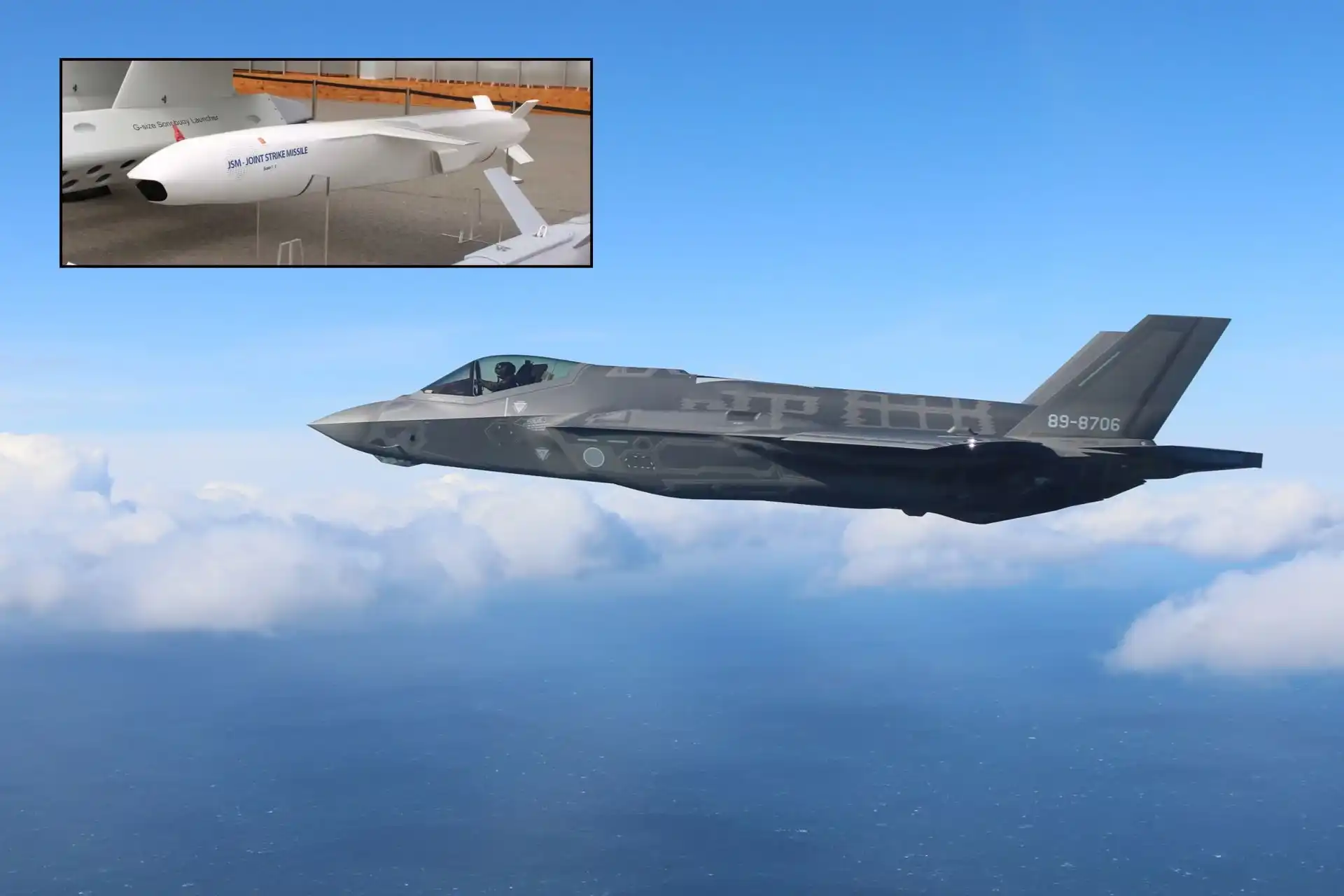
Japan has entered a decisive new phase in its defense evolution with the delivery of its first Joint Strike Missiles (JSM) from Norway, marking a substantial leap in the country’s long-range precision strike capability. This development is not merely a procurement milestone—it is a strategic signal. It reflects a nation recalibrating its defense posture amid intensifying security dynamics across the Indo-Pacific.
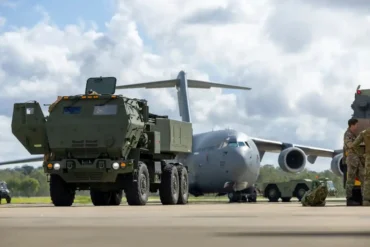
The missiles were received in March 2026 by the Japan Air Self-Defense Force (JASDF), which transported the systems directly from Kongsberg Defence & Aerospace in Norway using its own military aircraft. That logistical detail, while seemingly procedural, carries symbolic weight. It represents Japan’s growing operational reach and its expanding network of defense partnerships beyond traditional allies.
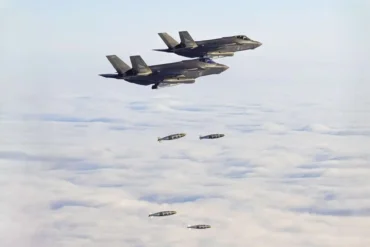
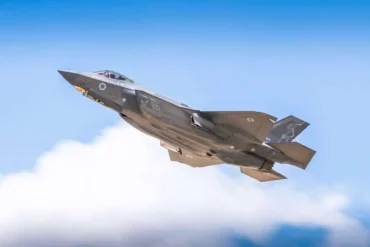
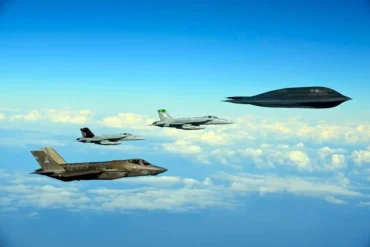
This delivery is tightly linked to the integration of the JSM into Japan’s fleet of Lockheed Martin F-35A Lightning II fighters. The pairing of a stealth fifth-generation aircraft with a low-observable cruise missile forms a potent combination—one that allows Japan to strike high-value targets at long distances without compromising survivability.
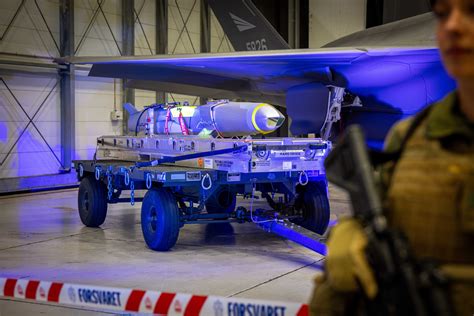
Joint Strike Missile: Engineering Stealth and Precision into a Single Weapon
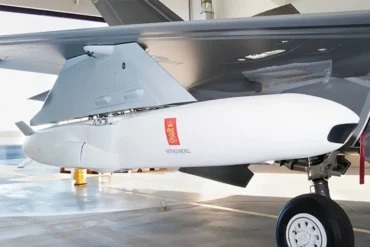
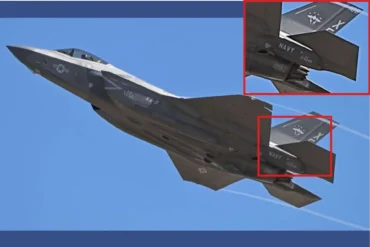
The Joint Strike Missile is not an entirely new invention but rather a sophisticated evolution. It originates from the Naval Strike Missile (NSM), a proven anti-ship weapon, but has been extensively redesigned to fit within the internal weapons bay of the F-35. This adaptation is crucial. External weapons can compromise stealth by increasing radar visibility; internal carriage preserves the aircraft’s low observable profile.
At approximately four meters in length and weighing around 416 kilograms, the JSM strikes a delicate balance between size, range, and payload. Powered by a turbojet engine, it is capable of reaching distances exceeding 500 kilometers, depending on mission parameters. That range allows engagement well beyond the reach of many conventional air defense systems.
Its guidance system is a layered architecture combining inertial navigation, GPS updates, and an imaging infrared seeker. The latter is particularly important—it enables the missile to visually identify targets in the terminal phase, reducing the risk of misidentification in cluttered or contested environments. This is not just about hitting a target; it is about hitting the right target under complex conditions.
Seamless Integration with F-35A: A Force Multiplier
The real power of the JSM emerges when integrated with the F-35A Lightning II, an aircraft designed around data fusion and battlefield awareness. The F-35’s AN/APG-81 AESA radar (Active Electronically Scanned Array, meaning it can rapidly steer beams electronically rather than mechanically) and Distributed Aperture System (DAS) provide a near-spherical awareness of the battlespace.
This sensor fusion allows pilots to detect, track, and classify targets at extended ranges. The JSM complements this by providing a stand-off strike capability, meaning the aircraft can launch the missile from outside the effective range of enemy defenses. The result is a layered engagement strategy: detect early, strike from afar, and remain undetected.
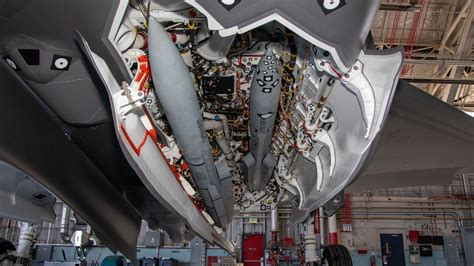
Mission planning for the JSM is equally advanced. Before takeoff, operators can define flight paths, attack angles, and engagement rules. Once airborne, the missile’s trajectory can be adjusted through secure data links, allowing for dynamic targeting in response to changing battlefield conditions. This adaptability transforms the missile from a static weapon into a responsive system.
The missile’s ability to perform terrain-following flight—flying low and using natural features to mask its approach—further enhances survivability. Combined with autonomous target recognition, it becomes a highly elusive threat against both maritime and land-based targets.
Strategic Context: Japan’s Shift Toward Counterstrike Capability
The arrival of the JSM aligns with a broader and more profound transformation in Japan’s defense policy. For decades, Japan adhered to a doctrine of exclusive self-defense, limiting its military capabilities to those strictly necessary for homeland protection. That paradigm is shifting.
Japan’s 2022 National Security Strategy introduced the concept of “counterstrike capability,” allowing the country to target enemy bases and infrastructure if an attack is imminent or underway. The JSM fits squarely within this framework. It provides a means to project power beyond immediate territorial boundaries while maintaining a defensive rationale.
This shift is not occurring in isolation. The regional security environment has become increasingly volatile. Rising tensions in the East China Sea, ongoing missile developments by North Korea, and the rapid modernization of China’s military forces have all contributed to Japan’s reassessment.
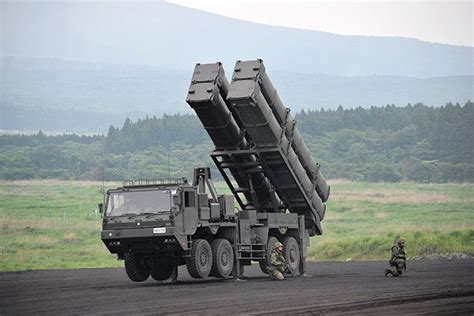
In parallel with the JSM acquisition, Japan is also deploying U.S.-made Tomahawk cruise missiles on its Aegis destroyers and advancing indigenous systems like the upgraded Type 12 surface-to-ship missile. These efforts collectively form a multi-layered deterrence architecture, combining air, sea, and land-based strike options.
Defense Industrial Cooperation: Norway and Japan’s Strategic Link
Beyond the technical and operational dimensions, the JSM program highlights an often-overlooked aspect of modern defense: international industrial collaboration. Japan’s partnership with Norway—specifically with Kongsberg Defence & Aerospace—illustrates how defense ecosystems are becoming increasingly interconnected.
Japan first selected the JSM in 2018, and subsequent procurement rounds have deepened the relationship. A notable contract in November 2024, valued at approximately $172.7 million, marked the fifth acquisition agreement between the two countries. Another contract in December 2025 further expanded the program.
This pattern reveals a deliberate strategy. By diversifying its defense suppliers and engaging with technologically advanced partners, Japan reduces dependency while gaining access to specialized capabilities. Norway, for its part, strengthens its position within the global F-35 weapons ecosystem, where interoperability is a prized asset.
Operational Implications: Extending Reach and Deterrence
The integration of the JSM fundamentally changes the operational calculus for the JASDF. Previously, long-range strike options were limited, particularly for stealth platforms. Now, Japan can conduct precision strikes against naval vessels, coastal installations, and critical infrastructure from significant distances.
This capability enhances deterrence in a subtle but powerful way. Deterrence is not just about possessing weapons; it is about shaping an adversary’s perception of risk. A stealth aircraft armed with a long-range cruise missile introduces uncertainty into any potential conflict scenario. Targets that were once considered safe may no longer be beyond reach.
The geographic reality of Japan—a chain of islands stretching across key maritime routes—makes this especially relevant. Control of surrounding sea lanes and the ability to respond quickly to threats are central to national security. The JSM-equipped F-35A provides a flexible tool for both defensive and preemptive operations within this context.
A Calculated Evolution, Not a Sudden Shift
It is tempting to interpret Japan’s acquisition of the JSM as a dramatic departure from its past. A more accurate view is that this is a gradual, calculated evolution. Each step—policy revisions, new procurements, expanded partnerships—builds upon the last.
The introduction of the JSM is a technological milestone, but it is also part of a broader narrative about how nations adapt to changing strategic environments. Japan is not abandoning its defensive principles; it is redefining how those principles are applied in a world where threats are faster, farther-reaching, and more complex.
In that sense, the JSM is more than a missile. It is a node in a growing network of capabilities designed to ensure that Japan can navigate an increasingly uncertain security landscape with precision, resilience, and strategic clarity.