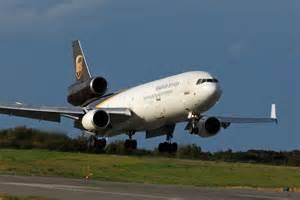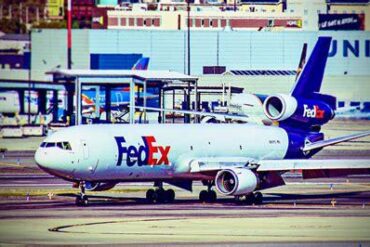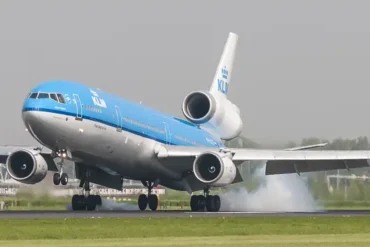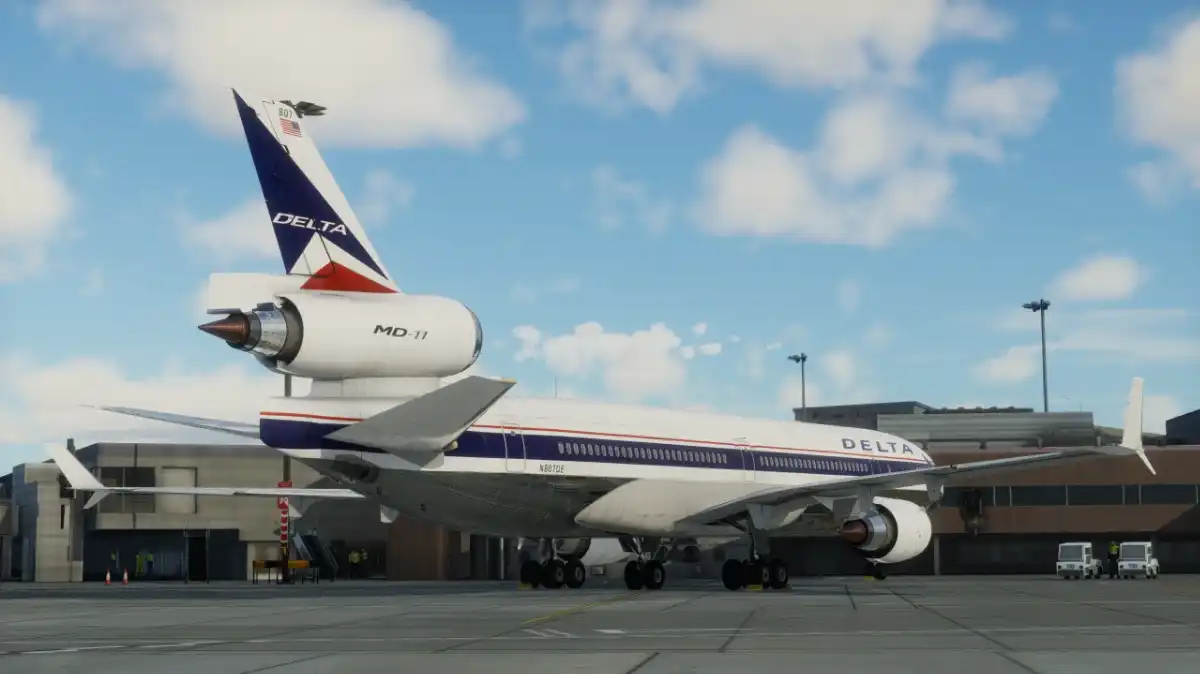
The McDonnell Douglas MD-11 was conceived as the aircraft that would perfect the widebody trijet formula. Longer range, lighter structure, advanced cockpit automation, and lower operating costs were meant to turn the page on the DC-10’s mixed legacy. On paper, it looked like the ideal long-haul workhorse for the 1990s. In reality, it became one of commercial aviation’s most cautionary tales. Nowhere is that clearer than in how quickly Delta Air Lines and American Airlines walked away from it, abandoning the MD-11 as a passenger aircraft long before its design life was anywhere near complete.
The irony is sharp. Both airlines were early believers. Both invested heavily. Both exited with remarkable speed.
A Jet Born With Enormous Expectations
The MD-11 entered the market at a moment of transition. Airlines wanted longer range without the fuel burn of four engines, and they were not yet fully convinced that twin-engine aircraft could safely dominate ultra-long-haul routes. The trijet still seemed like a clever compromise. McDonnell Douglas promised that the MD-11 would outperform the DC-10 in every meaningful way, with reduced fuel consumption, extended range, and modernized avionics that allowed a two-pilot cockpit.
Delta bought into that vision early. In 1988, the airline placed an order that signaled real confidence, positioning the MD-11 as the backbone of its future transpacific expansion. Internally, the aircraft was framed as a symbol of ambition: a jet that would carry Delta deeper into Asia while delivering comfort, efficiency, and prestige.
For a brief moment, that optimism seemed justified.
Delta’s Pacific Gamble With the MD-11
Delta became the American launch customer for the MD-11, eventually operating 17 aircraft between 1990 and 2004. The airline even leased early examples just to get the jet into service faster, underscoring how central it was to Delta’s Pacific strategy. When MD-11 service began in early 1991, first domestically and then across the Pacific, it marked a technological milestone. The MD-11 flew Delta’s first nonstop transpacific service from Los Angeles, a public demonstration of confidence in the aircraft’s promised capabilities.
By 1993, Delta operated an all-MD-11 fleet across the Pacific. At that point, the aircraft looked like a success story.
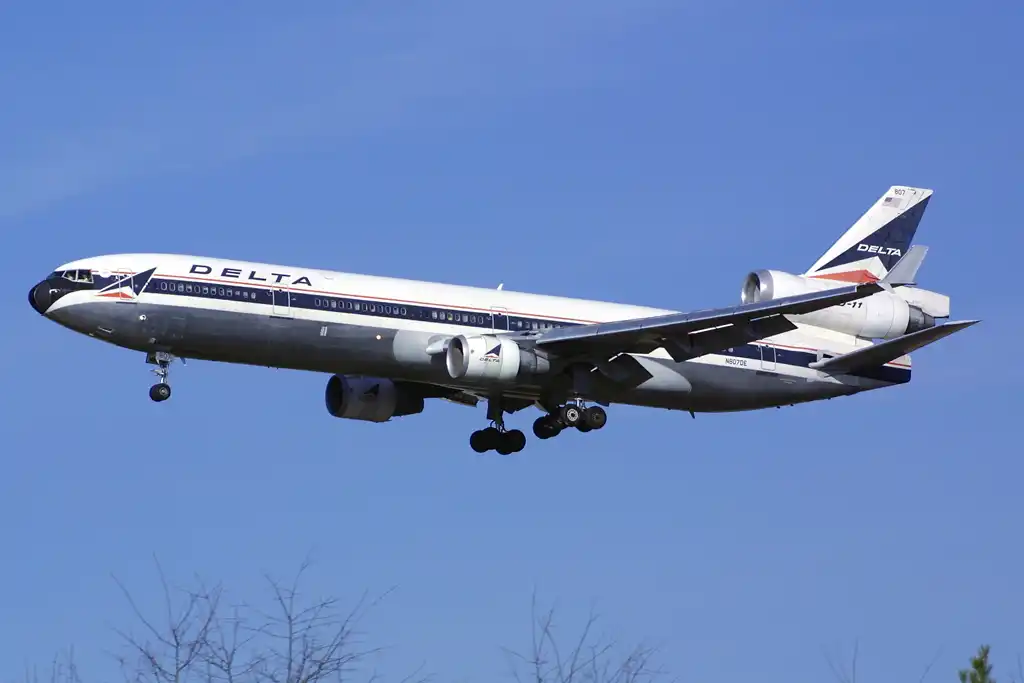
But beneath the surface, the cracks were already forming. The MD-11 consistently failed to meet its advertised range and fuel efficiency targets, especially under real-world conditions with full passenger loads and cargo. Airlines plan networks on margins, and when an aircraft repeatedly comes up short, route economics unravel quickly. Delta found that the MD-11 often required payload restrictions on long sectors, undermining the very purpose for which it had been acquired.
When Twinjets Changed the Equation
The MD-11’s timing turned out to be its greatest enemy. As Delta was grappling with performance shortfalls, long-range twinjets like the Boeing 767 and later the 777 were proving that two engines could safely, reliably, and efficiently handle missions once reserved for three or four. These aircraft burned less fuel, required less maintenance, and delivered more consistent performance.
By the early 2000s, Delta’s MD-11 fleet had been reduced to a single daily route between Atlanta and Tokyo. The aircraft that was supposed to anchor a global network had become a niche solution. In 2004, Delta quietly ended MD-11 passenger service altogether, with the final flight marking the end of an experiment that lasted just over a decade.
The aircraft itself did not disappear. It simply migrated to cargo operators, where different economics allowed its flaws to be managed more easily.
American Airlines and a Shorter Fuse
If Delta’s experience was a slow disillusionment, American Airlines’ relationship with the MD-11 was brutally efficient. American operated 19 MD-11s between 1991 and 2001, configuring them with a premium-heavy layout that reflected the airline’s focus on long-haul business traffic. Deliveries stretched into the mid-1990s, but the exit began almost immediately.
Less than a year after the first aircraft entered service, American started transferring MD-11s to FedEx. By 2001, all 19 had left the fleet.
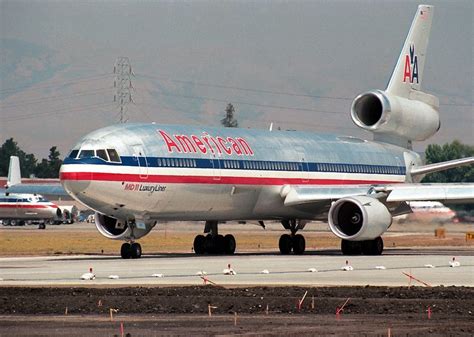
The reasons were stark. The MD-11 struggled with fuel burn, and its real-world range often failed to match network requirements when fully loaded. American, like Delta, found that twinjets could do the same job with fewer compromises. The Boeing 767 and 777 fit more cleanly into the airline’s operational model, offering better efficiency, reliability, and long-term flexibility.
Why Cargo Operators Made It Work
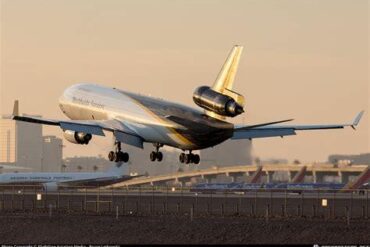
The MD-11’s afterlife as a freighter tells an important part of the story. Cargo airlines like FedEx and UPS embraced the aircraft for decades, even as passenger airlines rejected it. Freight operations are less sensitive to schedule padding, payload tradeoffs, and passenger comfort. A jet that struggles to meet range targets with people onboard can still be profitable hauling boxes overnight.
That distinction explains why the MD-11 endured in cargo service long after disappearing from passenger fleets. Its strong structure, large volume, and acceptable economics under freight conditions gave it a second life that passenger airlines simply could not justify.
The Real Lesson of the MD-11
The MD-11 did not fail because it was unsafe or fundamentally flawed. It failed because it arrived at the exact moment when the industry’s assumptions were changing. The rise of efficient twinjets erased the trijet’s remaining advantages, leaving the MD-11 stranded between eras. Delta and American did not abandon the aircraft out of impatience, but out of necessity. In a business where margins are thin and fuel costs dominate, theoretical performance is irrelevant if the numbers do not work on the route map.
The MD-11 remains a fascinating aircraft, ambitious, distinctive, and ultimately outpaced by progress. Its rapid disappearance from passenger service at two of America’s largest airlines stands as a reminder that in commercial aviation, timing matters as much as technology.