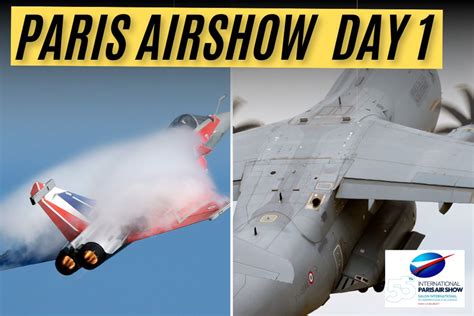
The 2025 Paris Airshow has taken off at Le Bourget under a sky clouded not only by aerial acrobatics and jet trails, but by the persistent specter of global conflict. Against the backdrop of the ongoing Ukraine war and escalating tensions in the Middle East, this year’s event is not just a celebration of aeronautical engineering but a revealing display of how warfare and defense technologies are evolving—most notably, through the rapid ascension of drones from auxiliary support tools to primary instruments of strategic operations.
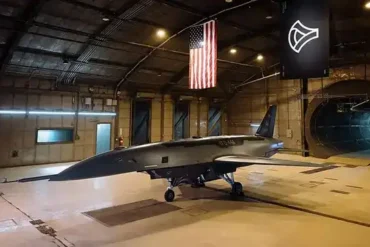
The transformation of drones from surveillance gadgets to autonomous combat platforms has become one of the show’s focal points, with prominent players like Leonardo and Baykar announcing a landmark joint venture. The new company, named LBA, will manufacture next-generation unmanned combat aerial vehicles (UCAVs). These drones are equipped for offensive missions and designed to return autonomously, reflecting the growing emphasis on persistent, reusable strike capability.
The significance of this collaboration cannot be overstated. Leonardo, a major Italian defense firm, brings European aerospace pedigree to the table, while Baykar, the Turkish manufacturer of the Bayraktar TB2, provides a battlefield-tested drone legacy. The Bayraktar drones played a decisive role in the early stages of the Ukraine-Russia conflict, disabling Russian naval assets in the Black Sea and disrupting the infamous armored convoy bound for Kyiv in 2022.
The Rise of Kamikaze and Backpack Drones
Beyond the large, missile-armed platforms, the Paris Airshow is showcasing a new wave of lightweight, tactical drones that reflect a shift in modern combat doctrines. Among them, kamikaze drones—or loitering munitions—are stealing attention. Once niche tools of asymmetric warfare, these drones are now central to full-scale military strategies.
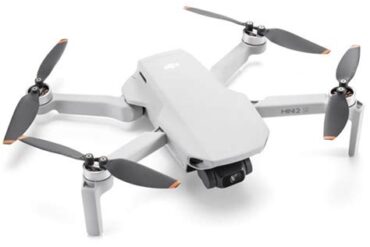
A notable example comes from a Swiss-French development, already undergoing testing with the French Army. This hybrid drone can vertically take off, transform mid-air into a fixed-wing aircraft, and reach speeds of 200 km/h. Designed to fit inside a backpack, this system redefines what is possible in decentralized and rapidly moving battlefield environments.
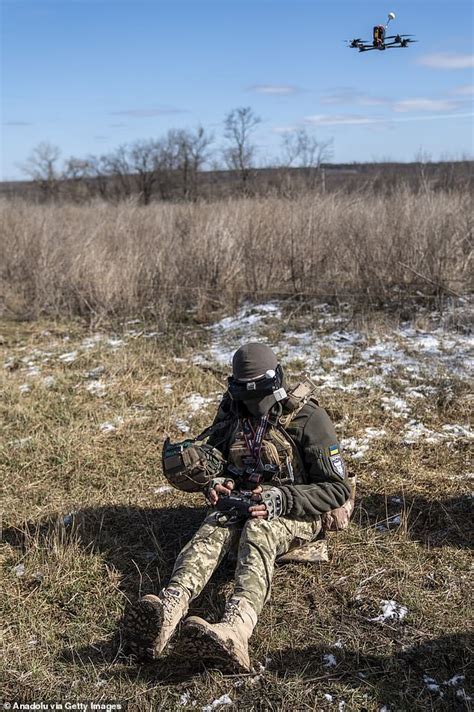
These drones are not merely tools of surveillance or harassment—they are designed to strike with precision and operate autonomously in GPS-denied environments. This technological independence is a double-edged sword, enhancing operational flexibility while raising profound legal and ethical concerns.
Swarm Drones and Integrated Autonomous Systems
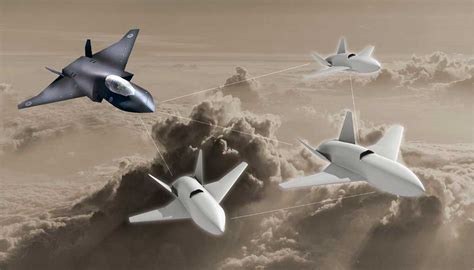
Perhaps the most transformative development on display is the rise of integrated drone systems. These involve larger, mothership-style drones capable of deploying and coordinating smaller tactical drones in mid-air. Such architecture is built with scalability in mind, enabling militaries to conduct swarm operations, where multiple drones synchronize to overwhelm defenses, gather intelligence, or execute complex strikes.
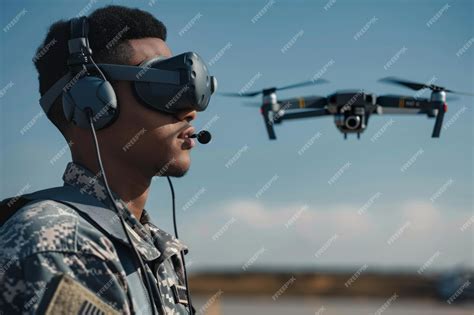
These systems hint at a future in which a single pilot—or even an algorithm—can command a flock of autonomous drones, working collaboratively to achieve mission objectives. The show exhibits several such systems, previewing an era of distributed aerial warfare, far beyond traditional single-platform strategies.
AI and the Killbox Concept: Ethics at the Edge
The integration of artificial intelligence into these platforms is more than a technical upgrade—it represents a foundational shift in how conflict may be conducted. One of the most controversial innovations is the killbox-enabled drone system. In these configurations, drones are programmed to autonomously eliminate targets within a predefined geographical zone, or “killbox,” even when communication with human operators is severed.
The implications are staggering. Militarily, this reduces reaction time and increases mission reliability in contested environments. Legally and ethically, it raises stark questions. Who is accountable if the AI misidentifies a target? What rules of engagement apply when decisions are made by machines?
This leads into another debated frontier: fully autonomous drones capable of mission planning, navigation, and engagement without real-time human input. Some systems at the Paris Airshow even feature the ability to coordinate with manned aircraft, creating semi-autonomous wings of drones that amplify a fighter pilot’s capacity during missions.
The Business of Drones: Strategic Alliances and Procurement
The commercial side of drone warfare is accelerating just as rapidly. The LBA venture is a powerful symbol of how nations and private firms are reshaping global defense supply chains. With Turkey’s proven drone capabilities and Italy’s industrial muscle, the company is poised to dominate the European defense drone market—potentially rivaling U.S. and Chinese incumbents.
This move also reflects broader geopolitical alignments. As NATO members grapple with future-proofing their militaries, joint ventures like LBA ensure European defense autonomy without overreliance on American contractors.
Airbus Secures Big Wins Amid Traditional Aircraft Competition
While drones dominate the headlines, the Paris Airshow remains a major business forum for commercial aviation. Airbus, the European aerospace giant, announced over 200 aircraft orders within the first 48 hours of the event. The highlights include:
- 100 A321s ordered by Vietjet, the Vietnamese low-cost airline
- 40 A220s by LOT Polish Airlines, signaling a regional fleet renewal
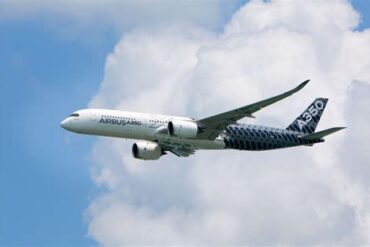
- 25 A350-1000s ordered by Riyadh Air, indicating Saudi Arabia’s expansion plans
These contracts represent not just sales figures, but confidence in Airbus’s fuel-efficient, next-generation aircraft amid pressure to decarbonize aviation.
Boeing’s Silence After Tragedy
In stark contrast to Airbus’s fanfare, Boeing has chosen a subdued presence. The American aerospace giant is abstaining from publicly announcing any deals in respect for victims of the 787 crash that occurred just days ago in Ahmedabad, India. This pause is notable and marks the ethical considerations that large manufacturers must navigate in the wake of accidents—particularly given Boeing’s troubled safety record in recent years.
Yet behind the scenes, sources suggest that Boeing continues to negotiate contracts, some possibly related to defense platforms that are not public-facing. However, the optics of its silence reinforce the emotional and reputational stakes involved in aviation today.
Conclusion: The Sky Is a Battlefield Now
The 2025 Paris Airshow is more than an industry showcase—it is a window into how aerial dominance is being redefined. Drones, once supplementary, are now central. The emergence of autonomous, AI-powered systems, drone swarms, and man-machine hybrid formations signals a strategic pivot in both military planning and defense procurement.
As geopolitical tensions endure and conventional warfare gives way to algorithmic combat, the airshow has become a strategic battlefield in its own right—one where contracts, technologies, and alliances will shape the skies of tomorrow.
What unfolds here is not only a testament to engineering but a stark reminder that in today’s world, airpower is no longer just about jets—it’s about intelligence, autonomy, and the algorithms that make decisions faster than humans ever could.