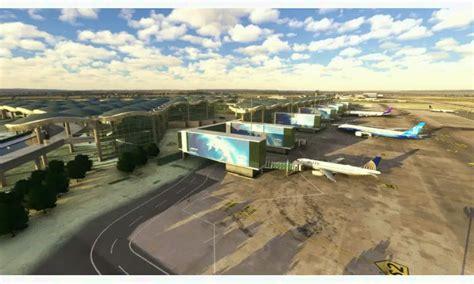
Amman’s Queen Alia International Airport (QAIA) has firmly established itself as a pivotal transit hub in the region, showcasing significant growth during the first half of 2025. With an impressive 4,406,690 passengers recorded, this marks a 6% increase compared to the same period in 2024. This surge is attributed to a combination of factors, including the resumption of regional and European routes, increased activity during peak travel periods like the holy month of Ramadan and Eid al-Fitr, and a strategic focus on enhancing infrastructure, services, and sustainability initiatives.
However, it is noteworthy that QAIA experienced a 16.6% drop in passenger numbers in June 2025, primarily due to regional tensions and a reduction in flight availability. Despite this setback, the overall performance of the airport remains robust, reflecting its resilience and adaptability in a challenging environment.
Increased Airline Activity and New Routes Boost Passenger Traffic
The revival of several airlines and the introduction of new routes have been instrumental in driving passenger traffic to QAIA. The airport’s expanding network signifies its growing importance in both regional and international aviation. Key developments include:
- Royal Jordanian, the national carrier, has broadened its global network with new international destinations, facilitating easier connections through Amman.
- flyadeal, a low-cost airline, has resumed operations, offering more regional flights and appealing to travelers seeking budget-friendly options.
- Ajet has also rejoined the operational roster, further enhancing connectivity and travel choices for passengers.
- Libyan Wings and SunExpress are new entrants that have added additional routes linking Amman with vital destinations in Libya and Turkey, thus expanding travel options in the region.
This diversified and enhanced connectivity reflects QAIA’s role as a significant player in regional and international air travel, catering to an increasing number of travelers eager to explore new destinations.
Technological Upgrades: Enhancing Efficiency and Passenger Experience
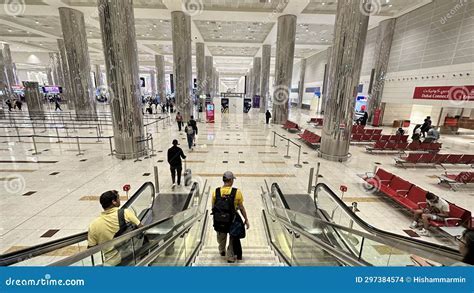
In addition to expanding its flight offerings, QAIA has made substantial investments in technological innovations aimed at improving the passenger experience. These advancements are designed to streamline operations and provide travelers with a more efficient and enjoyable journey. Key upgrades include:
- Self-Check-In Kiosks: To alleviate congestion at check-in counters, QAIA has introduced a greater number of self-check-in kiosks, allowing passengers to complete their check-in swiftly and without waiting in long lines.
- Smart Baggage Systems: A new baggage handling system has been implemented to ensure quicker and smoother luggage processing, which minimizes delays and enhances overall travel experiences.
- Upgraded Security Measures: With a focus on passenger safety, the airport has enhanced its security screening technology by incorporating biometric systems and automated passport control, significantly reducing wait times while maintaining stringent security standards.
- Wi-Fi and Mobile App Enhancements: Upgraded Wi-Fi services and the launch of the new QAIA mobile app empower passengers to stay connected, access real-time flight information, and navigate the airport with ease.
These technological improvements are transforming QAIA into a leader in the Middle East’s aviation sector, making travel more seamless and enjoyable for all who pass through its gates.
Sustainability Milestone: Shams al Mattar Lil-Taqa Solar Farm
Among the most significant advancements at QAIA is the establishment of the Shams al Mattar Lil-Taqa Solar Farm, a groundbreaking initiative reinforcing the airport’s commitment to sustainability in 2025. This solar facility is capable of producing 10.5 gigawatt-hours (GWh) of electricity annually, resulting in a remarkable reduction of 12,000 tons of CO₂ emissions each year. This renewable energy project is part of QAIA’s broader Environmental and Green Terminal Expansion Project.
The solar farm not only provides the airport with its energy needs but also serves as a model of sustainability in a region that has long grappled with transitioning to cleaner energy sources. Jordan’s efforts to embrace renewable energy are becoming increasingly relevant, and QAIA’s solar initiative places it at the forefront of eco-friendly airport operations, attracting environmentally conscious travelers.
Strengthening Tourism and Economic Growth
The synergy of new routes, technological advancements, and sustainability initiatives positions QAIA as a catalyst for tourism and economic growth in Jordan. As the gateway to the Kingdom, QAIA’s development and modernization efforts are pivotal for bolstering tourism, enabling greater international access and driving economic benefits.
With direct flights to key cities across the Middle East, Europe, and Asia, Jordan is becoming an increasingly attractive destination for business and leisure travelers alike. The influx of tourists will undoubtedly stimulate investments in hospitality, tourism infrastructure, and cultural exchanges, enhancing the country’s profile on the global stage.
Looking Ahead: Future Developments at QAIA
As QAIA continues to expand, the future looks bright with more upgrades and new international routes on the horizon. The airport is poised to integrate more cutting-edge technology, accommodating the rising demand for international travel while solidifying its status as a preferred gateway for travelers.
QAIA is being positioned as a crucial transit hub within the framework of Saudi Arabia’s Vision 2030, which emphasizes sustainability, customer experience, and global connectivity. This vision aligns perfectly with the evolving needs of the modern aviation market, ensuring that QAIA remains relevant and competitive.
Conclusion: Queen Alia International Airport Leads the Way in Middle Eastern Travel
In 2025, Queen Alia International Airport has witnessed remarkable growth, marked by a surge in passenger traffic and significant strides in technological and sustainability advancements. From welcoming new airlines and destinations to implementing state-of-the-art self-check-in kiosks and ambitious solar power initiatives, QAIA is adeptly adapting to the evolving demands of the aviation landscape.
As the airport continues to evolve, it will undoubtedly remain a cornerstone of the Middle East’s aviation infrastructure, supporting the growth of tourism and commerce in Jordan. Passengers can expect a consistently smooth, enjoyable, and eco-friendly experience at QAIA, thanks to ongoing innovations and sustainability commitments.