American Airlines remains one of the most iconic names in the aviation industry, offering a broad range of career opportunities in San Francisco, CA—a city strategically positioned as a Pacific gateway. For professionals seeking long-term growth, stability, and a deeply connected organizational culture, American Airlines at San Francisco International Airport (SFO) provides not only employment but a long-standing community within aviation.
With its global network and regional significance, American Airlines operates numerous services through the Bay Area, including at SFO and nearby San Jose International Airport (SJC). This regional integration translates into dynamic opportunities across a variety of job functions.
American Airlines’ Hiring Landscape in the Bay Area
American Airlines maintains a workforce in San Francisco that spans multiple departments, from aviation maintenance and ramp service operations to customer service and administrative support. The company’s nearby presence in San Jose, CA also expands the range of local opportunities. Currently, key positions like Ramp Service Agent (Part-Time) are available at SJC, starting at $20.80 an hour—a highly competitive hourly wage in entry-level airline operations.
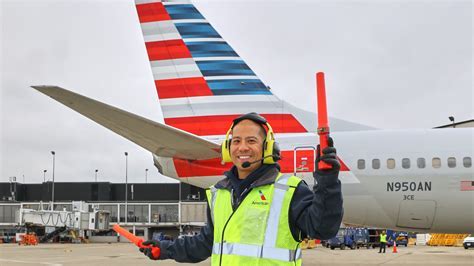
This role is foundational to flight operations, involving responsibilities such as baggage handling, aircraft marshaling, and safety compliance checks. Although the job is physically demanding, it is highly sought-after by those eager to build a hands-on aviation career.
Diverse Career Paths and Growth Potential
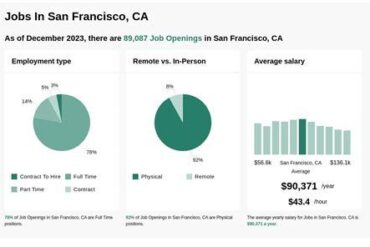
A closer look at available job categories in San Francisco reveals over 94 job openings spanning:
- Customer Service (20 openings)
- Management (13 openings)
- Loading and Stocking (12 openings)
- Administrative Assistance (10 openings)
- Aviation (9 openings)
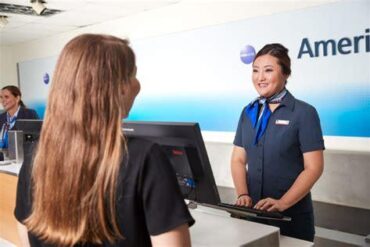
These roles reflect the breadth of American Airlines’ Bay Area operations. Customer service roles demand high interpersonal skills and emotional intelligence, especially when navigating flight delays, weather disruptions, or mechanical problems—a reality of aviation that requires calm, decisive action from frontline staff.
Compensation That Reflects Responsibility and Expertise
In San Francisco, where the cost of living is notably high, American Airlines provides salaries that align well with industry benchmarks. Data gathered from employee reports and job listings show:
- Flight Attendants: ~$45,475/year
- Baggage Handlers: ~$20.22/hour
- Shuttle Drivers: ~$2,451/week
- Line Technicians: ~$120,000/year
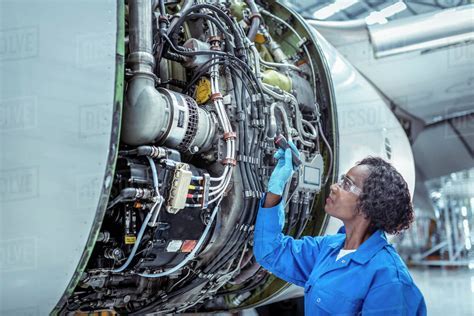
The Aircraft Line Technician role, in particular, is among the highest-paid technical positions and reflects the trust placed in professionals maintaining the operational safety of American’s aircraft fleet. The high compensation also corresponds with required qualifications—FAA certifications, experience with Boeing and Airbus systems, and shift adaptability.
Work Culture: Community, Support, and Longevity
Employee reviews from American Airlines’ San Francisco workforce consistently emphasize one core theme: a family-like, supportive environment. Former and current employees describe their teams as dependable and respectful, noting that senior staff often mentor newcomers. One Aircraft Maintenance Technician who took a leave to explore other opportunities remarked, “Looking back, I definitely had it good at American at SFO.”
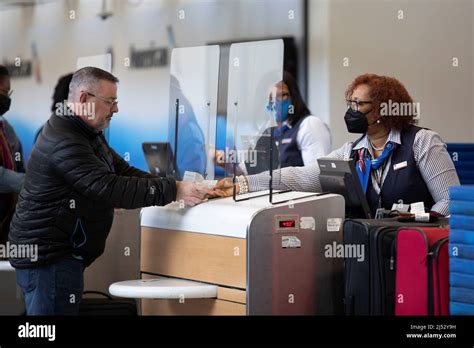
This familial atmosphere is reinforced through both structured policies and informal workplace dynamics. Schedules are managed with fairness, and flexibility is often granted when seniority permits. Many flight attendants value the non-traditional work hours that allow for travel benefits and a customizable lifestyle. “Awesome job if you don’t like a regular 9-to-5,” shared one employee, underscoring the appeal to those seeking more dynamic career rhythms.
Operational Challenges and Adaptability
Despite its strengths, employment at American Airlines is not without challenges. Some flight attendants have reported that the most stressful aspects of the job stem from operational disruptions caused by uncontrollable events like weather or mechanical issues. In these moments, employees must adhere to corporate structure while navigating unpredictable conditions.
Yet this is where American Airlines’ training programs and procedural protocols demonstrate their value. Employees report feeling prepared and equipped to respond, thanks to the company’s investment in consistent upskilling and scenario-based drills.
San Francisco as a Strategic Aviation Hub
San Francisco’s location enhances American Airlines’ role in international air traffic. As one of the busiest gateways to Asia-Pacific, SFO sees a high volume of international and cross-country traffic—demanding efficient ground crew, rapid aircraft turnaround, and impeccable customer service.
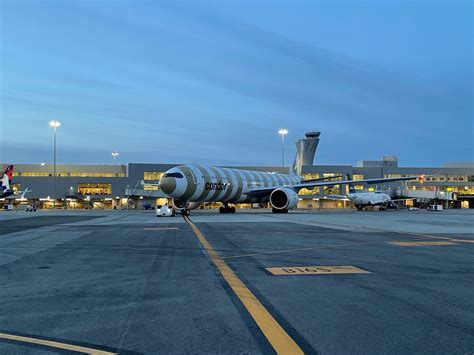
This complexity offers career diversity rarely found at regional airports. Maintenance technicians are exposed to multiple aircraft models, and customer service agents handle a broad demographic spectrum—from business travelers to international tourists. This environment not only sharpens technical skills but also deepens cultural competencies.
Employee Retention and Career Development
Long-term growth is a central tenet of American Airlines’ HR philosophy. The company offers internal promotion tracks, tuition reimbursement programs, and access to management training. Employees starting as ramp agents or customer service representatives can ascend into supervisory roles, tech specialist positions, or transition into corporate functions.
Flight attendants and line technicians also report lateral mobility between different hubs, with opportunities to relocate to Dallas, Miami, or Chicago, depending on union agreements and internal transfers.
Such mobility encourages company loyalty, with several San Francisco-based employees reporting 10+ year tenures. Many who leave temporarily for competing firms or other industries later return, citing the culture and benefits as unmatched.
Application Process and What to Expect
American Airlines uses a centralized application platform where candidates can filter by location, job category, and employment type. Once an application is submitted, candidates typically undergo a multi-step process:
- Online application and screening questionnaire
- Phone or video interview
- In-person or virtual assessment (role-specific)
- Background check and onboarding
Ramp agent and baggage handler positions may require physical strength tests, while customer service roles involve role-play scenarios to evaluate communication skills.
San Francisco’s Economic Context and Job Stability
In a city where tech dominance can often eclipse other industries, American Airlines offers a stable alternative with tangible benefits. The aviation sector, while cyclical, maintains consistency through regulated operations, union protections, and essential services. At a time when digital jobs are increasingly remote and transient, a career at SFO offers grounded, dependable employment.
Moreover, roles like Aircraft Line Technicians and Shuttle Drivers remain in high demand due to infrastructure dependencies, making them recession-resilient career choices. American Airlines’ union partnerships also provide additional job protections and collective bargaining advantages.
Conclusion: American Airlines Careers as a Gateway to Professional Fulfillment
San Francisco remains an integral node in American Airlines’ national and international network. The career opportunities available—whether at SFO or nearby SJC—offer more than a paycheck. They offer a pathway into an elite aviation legacy, surrounded by a community that prioritizes safety, collaboration, and advancement.
From ramp service agents to line technicians, from flight attendants to administrators, American Airlines in San Francisco provides the infrastructure, training, and upward mobility required for career success. For those looking to build not just a job but a life within aviation, the Bay Area’s American Airlines hub represents one of the most robust gateways on the West Coast.