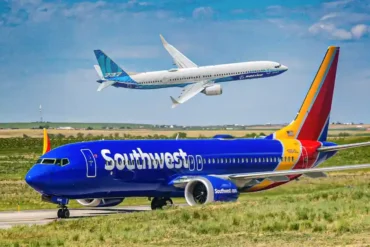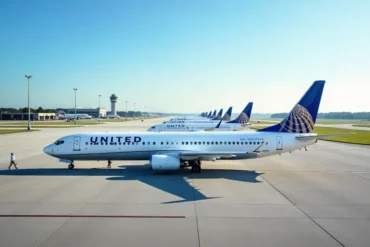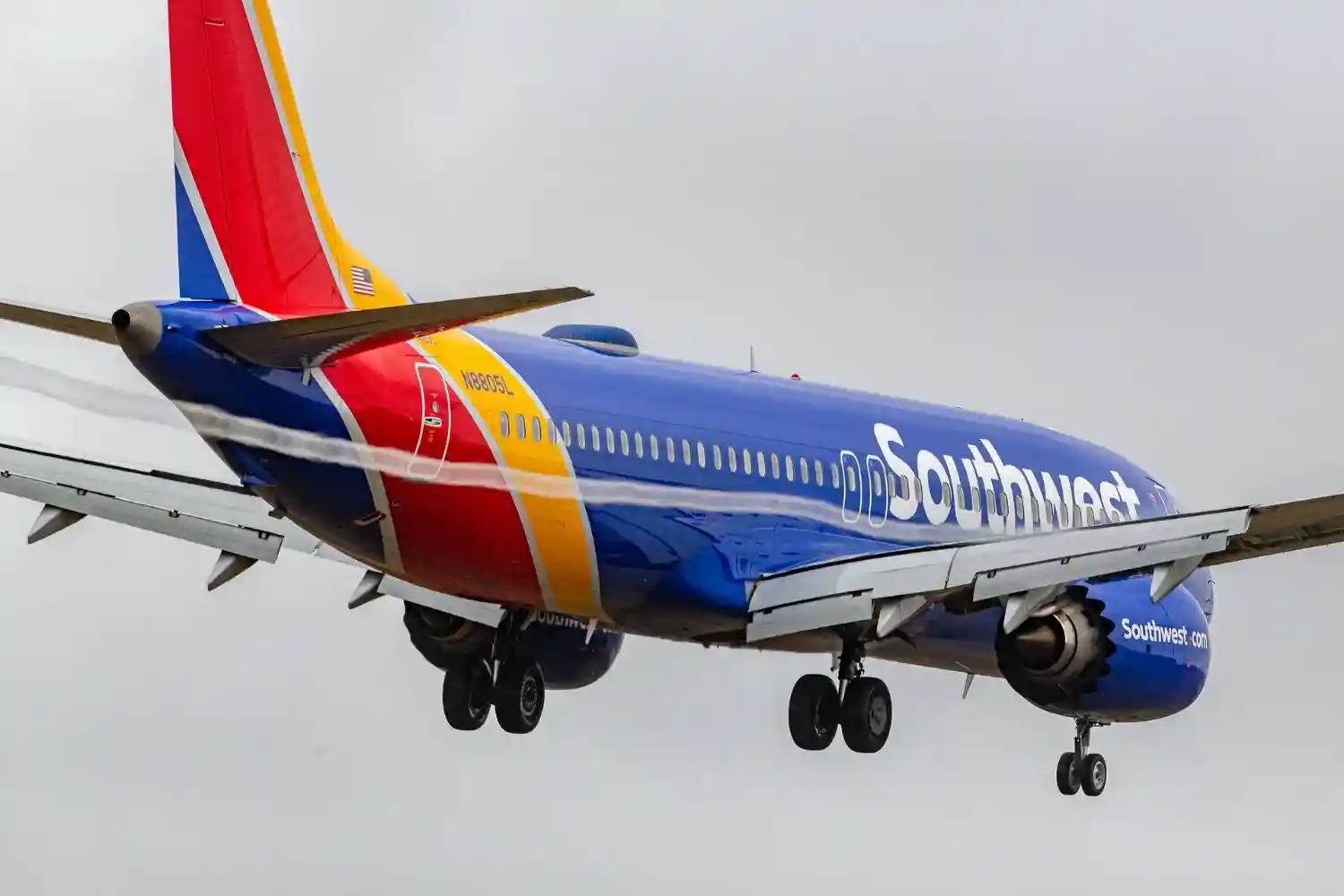
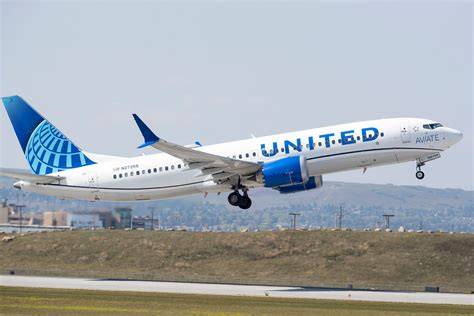
Southwest Airlines and United Airlines have told Boeing they will not accept newly built Boeing 737 MAX aircraft equipped with affected flight-management-computer software, adding a new complication to the manufacturer’s efforts to expand MAX deliveries and complete certification of its remaining variants. The software issue is being reviewed by the Federal Aviation Administration (FAA) after Boeing identified a condition that can cause automated vertical navigation to disengage during a specific missed-approach scenario.
The issue involves software versions 14 and 14.1 installed on certain 737 MAX aircraft. Neither Southwest nor United currently operates MAX aircraft with the affected versions, meaning the immediate concern is concentrated on aircraft still awaiting delivery. Both airlines have instead indicated that they want newly delivered aircraft equipped with an earlier software version until Boeing’s permanent solution is available.
The timing makes the development particularly important for Boeing. The manufacturer is preparing to ramp up deliveries of newly certified variants while the 737 MAX 10 remains close to certification. Southwest is also closely tied to the MAX 7 program, with the airline representing nearly the entire current order book for that variant. Any requirement to modify the software configuration before delivery could therefore affect both Boeing’s production plans and airline fleet schedules.
Boeing 737 MAX Software Issue Involves VNAV During Go-Arounds
The software problem centers on the flight management computer (FMC) installed on certain Boeing 737 MAX aircraft. The condition can arise under a relatively specific sequence of events involving a precision approach, the autopilot, a missed approach or go-around, and a subsequent change to the aircraft’s programmed flight plan.
Under those circumstances, the flight-guidance system can transition away from vertical navigation, or VNAV, into another vertical guidance mode such as level change or vertical speed. VNAV normally uses information calculated by the FMC to help the aircraft follow the programmed vertical flight path, including altitude and speed restrictions contained in the flight plan.
A loss of VNAV does not mean that the aircraft loses its autopilot. Instead, pilots must manage the aircraft’s vertical path using other available guidance modes and established procedures. Boeing has emphasized that 737 MAX crews are trained to operate the aircraft without VNAV and has provided operators with information reinforcing existing procedures while it works on a permanent software solution.
Boeing’s position is that the condition does not represent an immediate safety threat. However, the company has continued its review after receiving additional information from operators, and the FAA is independently examining the findings and proposed corrective measures.
Southwest and United Want Earlier 737 MAX Software
For Southwest and United, the most significant point is that the airlines are not grounding aircraft already in their fleets. Instead, they are placing a restriction on future 737 MAX deliveries equipped with the affected software.
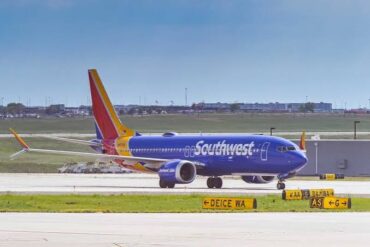
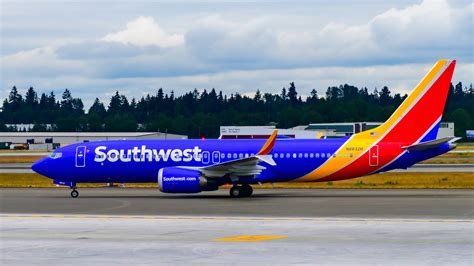
United confirmed that it does not currently have any 737s operating with the new FMC software and said it is not accepting new aircraft fitted with it. Southwest has similarly confirmed that none of its aircraft are equipped with software version U.14, including its newly delivered MAX 8 aircraft.
That distinction is important because it means the issue is currently being handled as a delivery and configuration matter rather than a broad operational disruption involving existing airline fleets. Boeing can continue working with the carriers while the FAA evaluates whether additional corrective action is necessary.
The airlines’ preference for an earlier software version also illustrates how software configuration has become an increasingly important part of modern aircraft production. A commercial jet may be mechanically complete but still require a particular software standard before an airline is willing to accept it. In this case, Southwest and United have effectively told Boeing that they would rather receive aircraft using the earlier configuration than take delivery of jets carrying the affected versions.
FAA Opens Corrective Action Review of Boeing Findings
The FAA is convening a Corrective Action Review Board (CARB) to examine Boeing’s safety findings and the proposed solution. The review gives FAA safety specialists an opportunity to determine whether the software condition represents a safety concern and what corrective action should be required.
The regulatory review follows a longer sequence of events. Boeing first became aware of the condition after an airline reported it in November 2024. The manufacturer initially determined in February 2025 that the condition did not constitute a safety issue. Additional information subsequently received from operators prompted Boeing to conduct a formal safety review, after which the company submitted its findings to the FAA.
The CARB process is particularly significant because the issue intersects with Boeing’s ongoing certification work. The 737 MAX 7 received FAA type certification on August 3, with software version 14 installed. Meanwhile, the MAX 10 used version 14.1 during certification testing, and Boeing completed its final planned certification flight for the aircraft in July.
That creates an unusual situation in which a software condition is being examined just as Boeing’s remaining MAX variants move toward airline service. The FAA has not indicated that the CARB review must necessarily be completed before MAX 10 certification, leaving the regulatory path dependent on the agency’s assessment.
Southwest’s MAX 7 Deliveries Could Face New Questions
Southwest could be particularly affected because of its enormous commitment to the Boeing 737 MAX 7. The airline accounts for nearly all of the variant’s current order book and has been expected to begin receiving the aircraft later this year.
The software issue raises an important practical question: can the MAX 7 be delivered with an earlier FMC software version? If so, Boeing and Southwest may be able to avoid a major delivery interruption while the manufacturer develops a permanent update. If the aircraft requires additional changes to accommodate the earlier software configuration, however, the situation could become more complicated.
The answer matters beyond a single airline. The MAX 7 is an important part of Boeing’s future narrowbody portfolio, particularly for operators seeking a smaller aircraft with the range and efficiency advantages associated with the MAX family. Delays or additional certification work could therefore affect Boeing’s delivery plans at a time when the company is already managing substantial production and certification demands.
Boeing Software Fix Could Come Earlier Than Planned
Boeing currently anticipates its next software update in 2028, but operator feedback has encouraged the manufacturer to accelerate that timetable. Until the permanent update is available, Boeing is working with airlines on procedures intended to ensure crews can manage the affected situation appropriately.
For Southwest and United, the immediate solution is straightforward: accept new MAX aircraft with an earlier software configuration rather than versions 14 or 14.1. That approach allows deliveries to continue while separating the aircraft already operating in airline fleets from the software under regulatory review.
The larger implications will depend on the FAA’s CARB findings. If the agency determines that additional changes are necessary, Boeing could face further work involving aircraft already certified with the affected software. If the review confirms that existing procedures adequately address the condition while a permanent update is developed, the immediate impact could remain concentrated on new deliveries.
For Boeing, however, the timing is difficult to ignore. The 737 MAX 7 and MAX 10 are both moving through critical stages of their programs, and the software issue has introduced another technical and regulatory variable just as the manufacturer prepares to bring those aircraft closer to airline service.