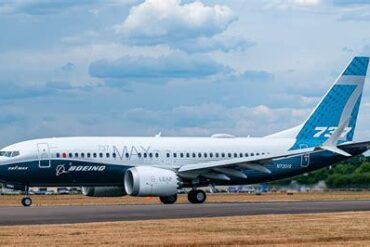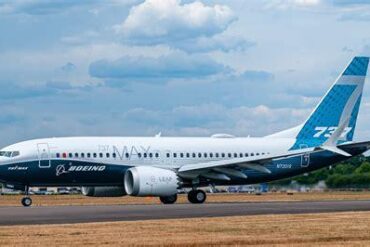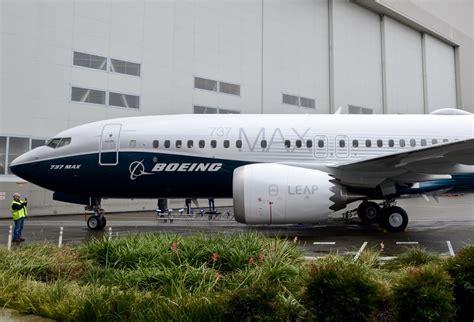
The Boeing 737 MAX 10 is facing another certification setback after the Federal Aviation Administration determined that additional work is needed to address a newly identified software issue. The regulator has not concluded that the problem creates an unsafe condition, but it is withholding certification until it is satisfied that the issue does not represent a broader safety concern. The development comes just as Boeing had expected the largest MAX variant to receive its long-awaited regulatory approval.
Boeing CEO Kelly Ortberg had indicated earlier this month that the company was hoping to receive the certification “green light” soon. Instead, FAA Administrator Bryan Bedford confirmed on Monday that the agency would take whatever time is necessary to investigate the software problem. The decision underscores how closely regulators continue to scrutinize the MAX family after years of technical and safety-related setbacks.
FAA Investigates Boeing 737 MAX Software Issue
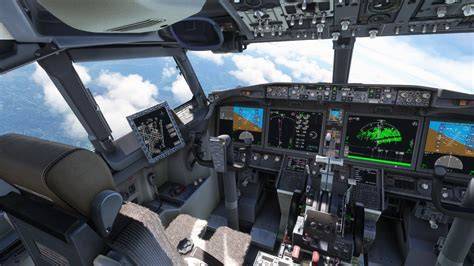
The latest concern involves the vertical navigation system installed on certain MAX aircraft. According to information that emerged over the weekend, Boeing had been aware for approximately two years of a potential software issue involving the system during a go-around following a missed approach. A go-around is a routine aviation procedure in which pilots discontinue an approach and climb away from the runway before attempting another landing.
The concern does not mean that pilots would lose control of the aircraft. Instead, the issue centers on how the software could affect crew workload during an already demanding phase of flight. Pilots remain capable of operating the aircraft without the affected software function, but the FAA is examining whether the resulting workload remains acceptable under the relevant operating conditions.
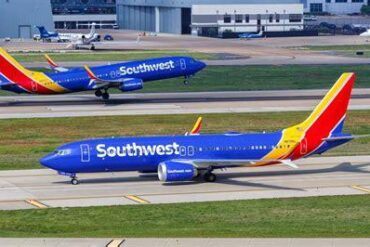
The software problem is associated with the U.14 software version and affects certain in-service MAX 8 and MAX 9 aircraft. The MAX 7, which received certification last month, is also equipped with the software version under investigation. Boeing is working with airlines including Southwest Airlines and United Airlines as the issue is assessed.
Boeing May Need to Revert Affected Aircraft to Older Software
FAA officials have indicated that Boeing has already corrected previous software bugs, but the newly identified problem requires additional action. Airlines operating aircraft with the affected software may need to revert to an earlier software version while Boeing works toward a permanent solution.
That requirement adds another layer of complexity because the issue extends beyond the MAX 10 itself. Although the MAX 10 is the aircraft awaiting certification, the software concern involves aircraft already operating commercially. This means Boeing and regulators must consider not only the certification requirements for a new variant but also the operational implications for existing MAX fleets.
The FAA’s decision to delay certification reflects its broader approach to the MAX program: technical problems must be fully understood before the regulator allows the certification process to move forward. Bedford emphasized that safety will determine the timeline, rather than Boeing’s planned delivery schedule.
737 MAX 10 Certification Faces Another Major Delay
The MAX 10 has endured one of the longest development and certification periods in the MAX family. Boeing originally expected to deliver the first aircraft to customers in 2020, but regulatory requirements and changes following the MAX crashes pushed the program substantially behind its original schedule.
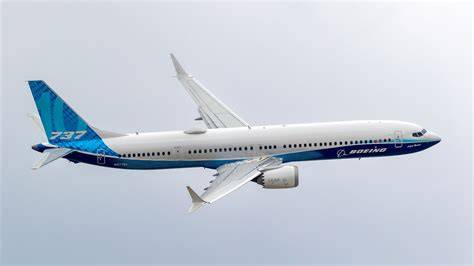
The MAX 10 is now the last remaining member of the 737 MAX family awaiting certification. Its larger fuselage and greater passenger capacity make it particularly important to Boeing’s commercial aircraft strategy, while airlines have already committed to hundreds of aircraft.
Major customers include Alaska Airlines, United Airlines, Ryanair, WestJet, Delta Air Lines, and Pegasus Airlines. Several have ordered or committed to more than 100 MAX 10 aircraft, making the certification schedule significant for future fleet planning.
MAX Safety History Keeps Software Under Close Scrutiny
The latest delay also has to be viewed against the history of the 737 MAX program. Two fatal crashes involving MAX 8 aircraft, Lion Air Flight 610 in 2018 and Ethiopian Airlines Flight 302 in 2019, led to the worldwide grounding of the aircraft and extensive investigations into flight-control systems and certification practices.
Those events fundamentally changed the regulatory environment surrounding the MAX. The FAA and other aviation authorities subsequently subjected the aircraft family to extensive scrutiny, while Boeing implemented technical and procedural changes intended to address the problems identified during investigations.
Against that background, a software issue involving aircraft navigation and crew workload is likely to receive particularly careful attention. The current problem is not being described as equivalent to the systems involved in the two fatal crashes, but the history of the MAX means regulators have little reason to accelerate certification simply to meet a manufacturer’s target.
Airlines Await the 737 MAX 10
The certification delay is also significant for airlines that have planned their future fleets around the MAX 10. United Airlines has ordered 165 aircraft, while Alaska Airlines has commitments for up to 168. Ryanair has 131 on order, and WestJet has 107. Delta Air Lines and Pegasus Airlines each have orders for 100 aircraft.
For Boeing, the MAX 10 is therefore much more than another derivative. Its certification would unlock deliveries to major customers and provide airlines with a high-capacity aircraft positioned within the 737 family. Every additional delay potentially affects fleet replacement plans, capacity growth and aircraft retirement schedules.
For now, however, the FAA has made its position clear: certification will wait until the software issue is sufficiently understood and resolved. Boeing may have completed the principal flight-testing work for the MAX 10, but regulatory approval ultimately depends on satisfying the agency that the aircraft and its associated systems meet the required safety standards.