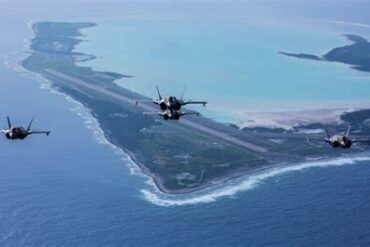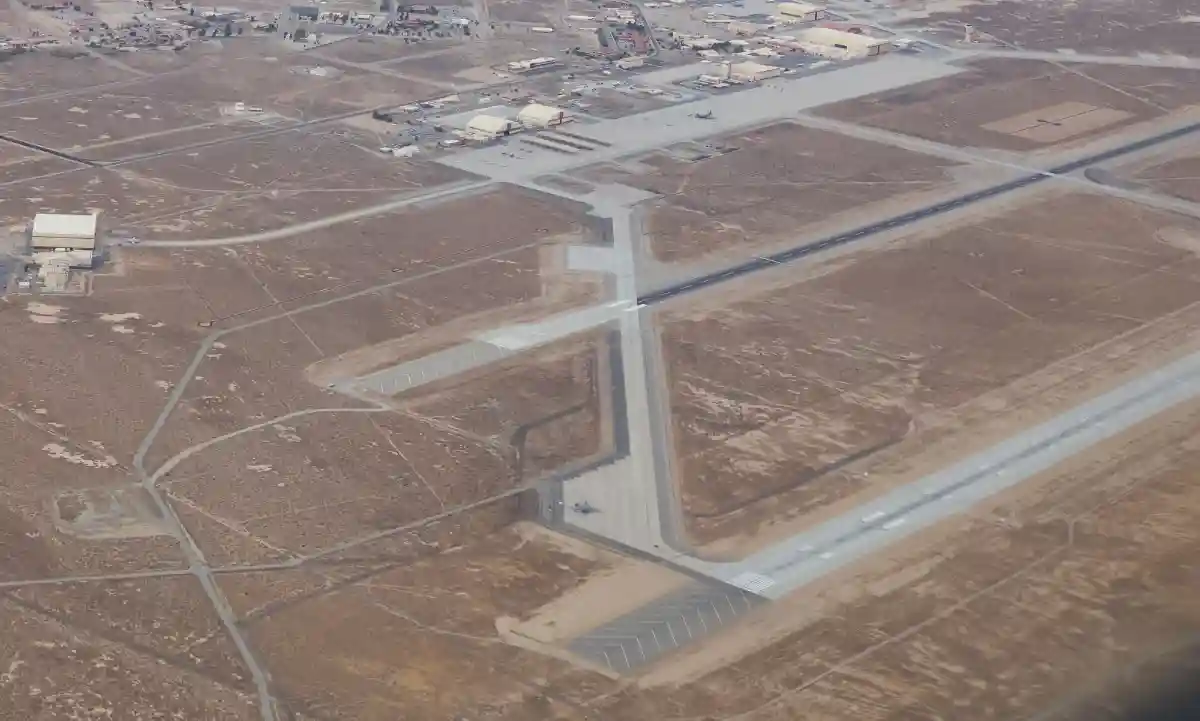
Runway length is one of the least visible but most important measures of an air base’s operational capability. A strip of pavement stretching beyond 10,000 feet may look like little more than an oversized airport runway, but for the US Air Force, those additional thousands of feet can determine which aircraft can operate safely, how much fuel and cargo they can carry, and how much margin pilots have when conditions deteriorate. Across the United States, a handful of bases possess runways built for precisely these demanding requirements.
The reasons for these extraordinary dimensions vary considerably. Some installations operate in extreme heat, where high temperatures reduce air density and increase takeoff distances. Others sit at significant elevations, creating similar performance challenges because aircraft wings and engines operate in thinner air. In Alaska, meanwhile, freezing temperatures, snow, ice, and rapidly changing weather create another set of complications. Test centers have different requirements again, because experimental aircraft may approach at unusually high speeds or require extensive pavement during first flights and envelope-expansion missions.
The five longest runways in the USAF system illustrate this diversity particularly well. They stretch from the deserts of Nevada and California to the Arctic environment of Alaska and the high-altitude terrain of New Mexico. Their lengths range from 10,120 feet to 15,024 feet, but the numbers alone do not explain why these facilities are so important. Each runway exists within a particular operational environment, supporting aircraft and missions that have shaped its development over decades.
5. Nellis Air Force Base, Nevada – 10,120 Feet
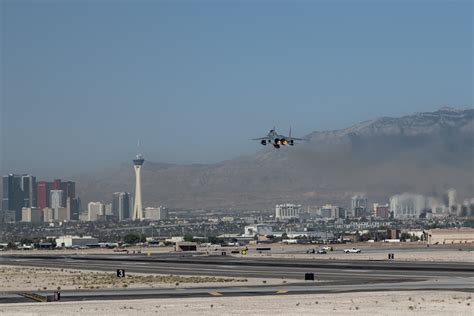
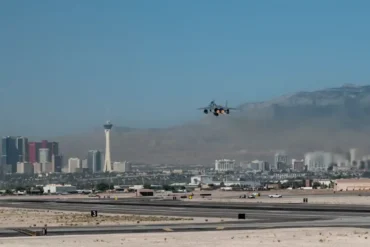
At 10,120 feet (3,085 meters), Nellis Air Force Base enters this list as the shortest of the five, although calling it small would be misleading. Located northeast of Las Vegas, Nellis is one of the most important tactical aviation installations in the United States and serves as a major center for advanced fighter training, combat exercises, weapons employment, and operational experimentation. Its runway has to accommodate a remarkably varied stream of military aircraft while supporting a demanding flying schedule.
Nellis is closely associated with some of the Air Force’s most capable tactical aircraft, including the F-35 Lightning II, F-22 Raptor, and A-10 Thunderbolt II. Bombers, transports, test aircraft, and visiting military aircraft also use the airfield. This creates an environment in which runway availability and performance margins matter enormously. Fighter aircraft can launch in rapid succession during major exercises, while recovery operations must be coordinated with equally demanding training schedules.
The Nevada climate makes the runway even more significant. Summer temperatures can climb into triple digits, producing a major increase in density altitude. Hot air is less dense than cool air, reducing the amount of lift generated by a wing at a given true airspeed and affecting engine performance. As a result, an aircraft that can comfortably operate from a shorter runway under standard conditions may require substantially more distance when temperatures rise.
The 10,120-foot runway therefore provides valuable operational margin. That margin can be especially important when aircraft are carrying significant fuel or weapons loads, when temperatures are unusually high, or when pilots require additional distance for abnormal or emergency situations. Nellis also has a long history behind its present-day role. Established during the Second World War as a gunnery training installation, it evolved during the Cold War into one of America’s principal fighter training centers.
Today, its runway is part of a much larger aviation ecosystem. Nellis is connected to extensive training ranges where pilots can practice increasingly complex air combat scenarios. The runway itself may appear straightforward, but its ability to support repeated high-tempo operations makes it a crucial part of the Air Force’s tactical aviation infrastructure.
4. Kirtland Air Force Base, New Mexico – 13,795 Feet
The jump from Nellis to Kirtland Air Force Base is substantial. Kirtland’s primary runway extends approximately 13,795 feet (4,205 meters), providing nearly 14,000 feet of pavement at an installation located in Albuquerque, New Mexico. The runway is particularly important because Kirtland operates in an environment where elevation can significantly influence aircraft performance.
Albuquerque sits more than a mile above sea level, meaning the atmosphere is considerably thinner than at a low-elevation coastal airport. For aircraft, this creates consequences during takeoff. Engines have less dense air available, while wings produce less lift under equivalent conditions. The result can be a longer ground roll, especially when an aircraft is heavily loaded or temperatures are high.
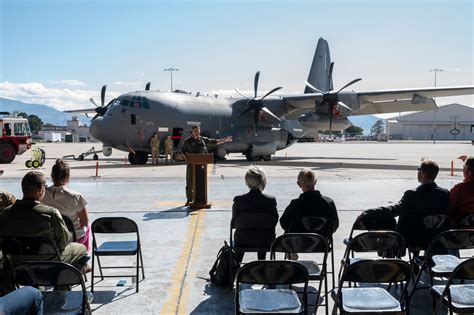
That makes Kirtland’s long runway more than an impressive statistic. It is an important operational resource for an installation supporting a broad collection of military missions. The base hosts special operations aviation, nuclear sustainment activities, research and development programs, weapons-related work, transportation operations, and numerous tenant organizations.
Aircraft operating through Kirtland can range from tactical and special operations platforms to heavy transports and other large military aircraft. A fully loaded C-17 Globemaster III, for example, demands considerably more runway than a lightly loaded tactical aircraft. The same principle becomes even more important for heavy aircraft operating in hot, high-altitude conditions.
Kirtland’s history is also closely linked to America’s nuclear and aerospace development. The installation grew in importance during the 1940s as military aviation and nuclear research expanded. Over subsequent decades, its responsibilities broadened dramatically, creating a complex combination of operational, technological, and research functions.
The runway has consequently had to support more than conventional flight operations. Research aircraft, experimental programs, specialized missions, and visiting heavy aircraft all benefit from having a substantial paved surface available. Its length provides additional flexibility when aircraft performance varies because of payload, temperature, elevation, or mission requirements.
Kirtland demonstrates an important point about runway design: geography can be just as important as aircraft size. A runway that seems excessively long in one location may be entirely appropriate somewhere else. At Albuquerque’s elevation, those additional thousands of feet provide a valuable performance reserve for aircraft that must operate under demanding conditions.
3. Eielson Air Force Base, Alaska – 14,530 Feet
Moving north introduces a completely different operating environment. Eielson Air Force Base in Alaska has a runway measuring approximately 14,530 feet (4,429 meters), making it the third-longest runway among the five installations examined here. Its length reflects not only the types of aircraft using the base but also the harsh conditions in which those aircraft must operate.
Eielson lies in the interior of Alaska, where winter can produce temperatures far below zero. Extreme cold affects aircraft systems, ground equipment, personnel, runway surfaces, and the procedures required before an aircraft can safely depart. Snow and ice can alter braking performance, while rapidly changing weather can complicate approaches and recoveries.
The runway’s enormous length gives crews additional room during these challenging operations. Large aircraft arriving with substantial fuel loads may require considerable landing distance, particularly when runway contamination affects braking. Departing aircraft can also face performance considerations associated with payload, weather, and engine operating conditions.
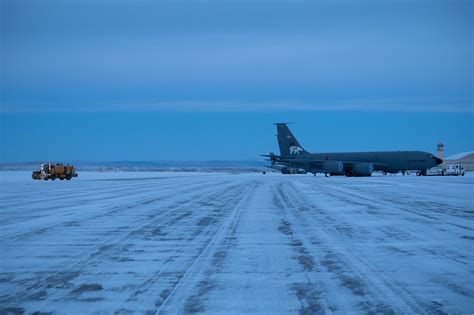
Eielson has become especially prominent through its role in advanced combat training. The installation supports Red Flag-Alaska, a major exercise that brings together American and allied aircrews for complex training missions. The aircraft participating in these exercises can arrive from distant locations, sometimes with substantial fuel loads, and then operate intensively from the base.
The history of Eielson reaches back to the Second World War, when Alaska served as an important route for aircraft moving toward the Soviet Union under the Lend-Lease program. Its strategic importance increased during the Cold War because of Alaska’s position between North America, the Arctic, and the Soviet Union.
Today, Eielson’s significance extends beyond conventional fighter training. The base is positioned alongside the Joint Pacific Alaska Range Complex, providing access to an enormous training environment. Its location makes it useful for preparing forces for Arctic operations, long-range deployments, and missions across the wider Pacific region.
The 14,530-foot runway therefore represents more than extra pavement. It is an important piece of infrastructure supporting military aviation in an environment where aircraft performance and runway conditions can change dramatically with the seasons.
2. Joint Base Elmendorf-Richardson, Alaska – 14,998 Feet
Just short of the 15,000-foot mark is the runway at Joint Base Elmendorf-Richardson, historically known as Elmendorf Air Force Base. At approximately 14,998 feet (4,571 meters), it is one of the longest military runways in the United States and provides an enormous operating surface for aircraft based in and passing through Alaska.
Elmendorf was established during the early years of the Second World War and became increasingly important during the Cold War. Its location made it a natural component of North American air defense, particularly as the United States developed rapid-response capabilities for monitoring and protecting the northern approaches to the continent.
The modern installation supports a broad range of aviation activity. F-22 Raptors, air mobility aircraft, tankers, transports, and other military platforms operate from the wider Joint Base Elmendorf-Richardson complex. These missions place different demands on the runway, from high-performance fighter operations to heavy transport and long-duration support flights.
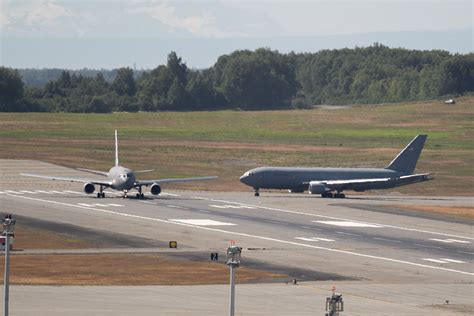
Alaska’s winter environment again explains why runway length is particularly valuable. Snow, ice, reduced visibility, and changing surface conditions can complicate both takeoffs and landings. Heavy aircraft such as the C-17 Globemaster III and KC-135 Stratotanker can benefit from additional pavement when operating with substantial mission loads.
The runway also provides flexibility during unusual circumstances. Military aviation rarely operates under identical conditions every day. Payloads change, temperatures fluctuate, aircraft configurations differ, and weather can deteriorate rapidly. A long runway cannot eliminate those challenges, but it can provide a larger margin within which crews and aircraft can operate.
Elmendorf’s strategic location is perhaps its greatest distinguishing feature. Alaska provides access to the Arctic, North Pacific, and approaches to North America, while its airfields connect the region to wider US military operations. The nearly 15,000-foot runway is therefore part of a broader network that supports air defense, mobility, training, and forward deployment.
1. Edwards Air Force Base, California – 15,024 Feet
The longest paved runway in this group belongs to Edwards Air Force Base in California, where the runway extends approximately 15,024 feet (4,580 meters). The difference between Edwards and Elmendorf is only 26 feet, but Edwards earns the top position because of the unique demands associated with flight testing.
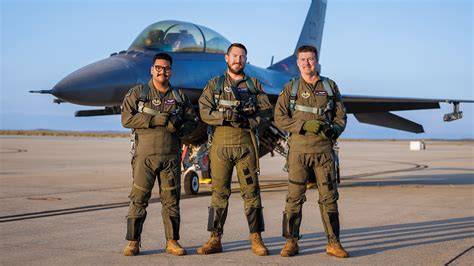
Edwards is synonymous with American experimental aviation. Located in California’s high desert, the installation has hosted generations of aircraft development programs and has played a central role in pushing the boundaries of speed, altitude, handling, and propulsion. Aircraft associated with Edwards include the X-1, X-15, F-22, B-2, and numerous other developmental and test platforms.
Test flying creates runway requirements that differ from ordinary operational aviation. An experimental aircraft may be completing its first flight, testing a new configuration, approaching at an unfamiliar speed, or exploring the limits of its flight envelope. Engineers and pilots may need additional pavement because the aircraft’s behavior is not yet fully understood under every operating condition.
A 15,024-foot paved runway provides exceptional flexibility for these missions. High-speed test aircraft can require substantial landing distance, while aircraft conducting specialized trials may need additional space for abnormal procedures. The runway also gives pilots greater room to manage unexpected conditions during developmental flights.
Edwards’ surrounding geography makes the facility even more remarkable. The enormous Rogers Dry Lake and other dry lakebeds provide vast natural landing areas surrounding the paved facilities. These surfaces have historically offered an additional safety resource for experimental aircraft and have played a famous role in American aerospace history.
The dry lakebed also became associated with the Space Shuttle program, with Edwards serving as a landing location for shuttle missions when operational circumstances required it. Few military airfields combine an exceptionally long paved runway with such an enormous natural landing environment.
The California desert also presents a performance challenge of its own. High temperatures reduce air density and can increase takeoff requirements, meaning the runway’s length remains valuable even for aircraft with powerful engines. At Edwards, runway infrastructure is closely connected to the fundamental purpose of the base: creating a controlled environment where aircraft can be tested beyond the conditions of ordinary operational service.
Why Long Runways Matter to US Air Force Operations
The five runways reveal why runway length cannot be judged by numbers alone. Aircraft weight, temperature, elevation, runway condition, payload, speed, and mission profile all influence how much pavement an aircraft needs. A heavy transport departing with a maximum payload faces a very different problem from a fighter conducting a routine training sortie, while an experimental aircraft may require additional distance for entirely different reasons.
Heat and altitude are particularly important because both reduce aircraft performance. Hot air reduces density, while high elevation means the atmosphere is already thinner. When those factors combine, takeoff performance can deteriorate significantly. This helps explain the long runways at Nellis and Kirtland, where environmental conditions can make aircraft work harder simply to achieve the same performance available at sea level.
Alaska presents another set of challenges. At Eielson and Elmendorf, winter weather can affect traction, visibility, aircraft systems, and braking. Long runways cannot make ice disappear, but they can provide additional space for operations when aircraft performance or stopping distances differ from ideal conditions.
At Edwards, the logic is more closely connected to flight testing and experimentation. The runway provides space for aircraft operating outside normal configurations and for pilots conducting missions where performance characteristics may still be under evaluation. The surrounding dry lakebeds provide another extraordinary layer of operational flexibility.
Future aircraft may make these requirements even more important. New bombers, advanced airlifters, unmanned aircraft, and experimental platforms are likely to demand infrastructure capable of supporting greater weights, unusual configurations, and increasingly complex testing programs. Runway length will remain only one part of that equation, alongside pavement strength, maintenance, taxiway capacity, airspace, weather support, and emergency infrastructure.
Taken together, Nellis, Kirtland, Eielson, Joint Base Elmendorf-Richardson, and Edwards demonstrate how the US Air Force adapts infrastructure to widely different missions and environments. Their runways are measured in thousands of feet, but their real value lies in the operational margin they provide. From Nevada’s intense heat to Alaska’s extreme cold and California’s experimental flight-test environment, these enormous airfields form a critical foundation for the aircraft and missions that define American military aviation.