American Airlines has reached another milestone in its Airbus A321XLR program, taking its fleet of the long-range narrowbody to 10 aircraft after receiving two more jets in September. The latest additions, N307NY and N308NY, arrive as the carrier continues building an aircraft fleet designed to support premium transcontinental flying and thinner international routes that may not require a widebody.
N307NY arrived on Saturday, shortly after N308NY reached Dallas/Fort Worth International Airport three days earlier. Both aircraft were delivered from Airbus’ Hamburg Finkenwerder facility in Germany and are now part of American’s growing A321XLR operation. With additional deliveries planned, the airline expects the fleet to reach 12 aircraft by the end of 2026, marking another step toward its much larger long-term commitment to the type.
The timing of the latest deliveries is significant because American had already received another A321XLR only weeks earlier. N315XR was delivered on August 28 and entered scheduled service on September 10. Its early operation included domestic transcontinental flying, with flight-tracking data showing trips linking New York’s John F. Kennedy International Airport and Boston Logan International Airport with Los Angeles International Airport and San Francisco International Airport.
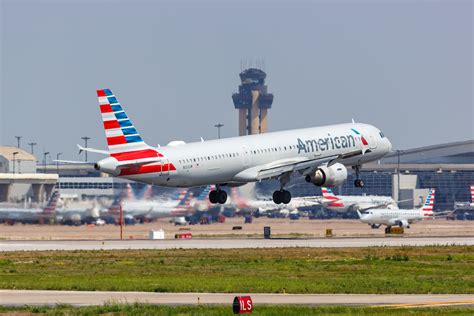
American Airlines A321XLR Fleet Reaches 10 Aircraft
N307NY and N308NY share American’s 155-seat A321XLR configuration, consisting of 20 Business Class seats, 12 Premium Economy seats and 123 Main Cabin seats. The cabin arrangement reflects how American intends to position the aircraft: not simply as a high-capacity narrowbody, but as a smaller long-range aircraft with a substantial premium offering.
The two aircraft are powered by CFM International engines and were produced at Airbus’ Hamburg facility. Their arrival expands American’s operational flexibility at a time when the airline is developing more long-haul routes that require meaningful premium capacity but may not generate enough demand to justify a larger widebody aircraft.
That balance is central to the A321XLR’s role within American’s fleet strategy. With a single-aisle design and substantially fewer seats than aircraft such as the Boeing 787, the XLR can be deployed on routes where matching capacity more closely to demand is important. At the same time, American can offer a lie-flat business-class experience on selected services, preserving a premium long-haul product.
Airbus A321XLR Brings Long-Haul Capability to a Narrowbody
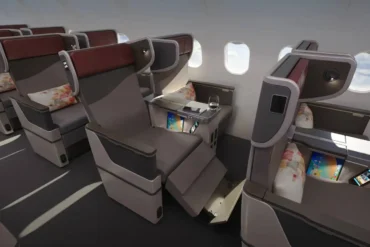
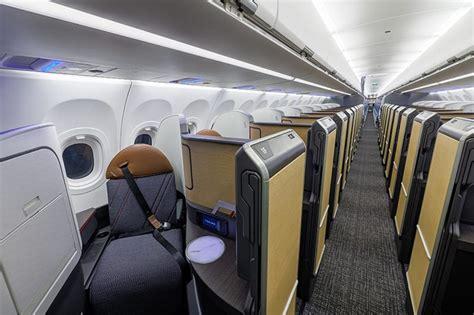
American’s A321XLR features Flagship Suite seats in Business Class, including lie-flat beds and privacy doors. The aircraft also provides Premium Economy and Main Cabin Extra seating, creating a cabin that is designed for both premium travelers and a broader mix of passengers.
The aircraft initially became part of American’s strategy for transcontinental flying. Its first scheduled service connected New York-JFK with Los Angeles, before the airline expanded A321XLR operations to additional routes including JFK-San Francisco and Boston-Los Angeles. The aircraft has also entered international service between JFK and Edinburgh, demonstrating its ability to move beyond domestic markets.
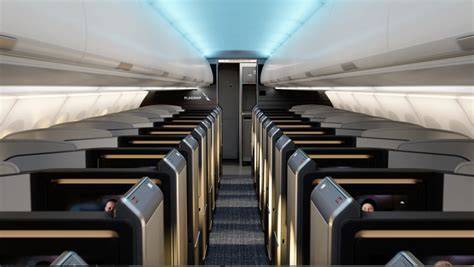
The international capability is particularly important because the A321XLR can fill a gap between traditional narrowbody aircraft and widebodies. American can use it for thin long-haul routes, including markets where passenger demand is sufficient for nonstop service but not necessarily strong enough to support a larger aircraft every day.
This gives the airline another tool for developing its international network. Instead of waiting for sufficient demand to justify a 787 or another widebody, American can potentially use an A321XLR to establish or maintain service with a smaller premium-heavy cabin. The aircraft therefore provides both network flexibility and a way to serve markets that previously depended on aircraft such as the Boeing 757.
American Airlines Plans More European A321XLR Routes
The growing fleet is already connected to American’s plans for the 2027 summer schedule. The airline has announced several European routes that are scheduled to use the A321XLR, including New York-JFK to Amsterdam and Nice, along with Philadelphia to Porto and Vienna.
These planned services illustrate how quickly the aircraft is moving from a fleet milestone into a broader network role. As more A321XLRs arrive, American will have additional aircraft available for European flying while retaining flexibility for domestic transcontinental operations and other long-distance routes.
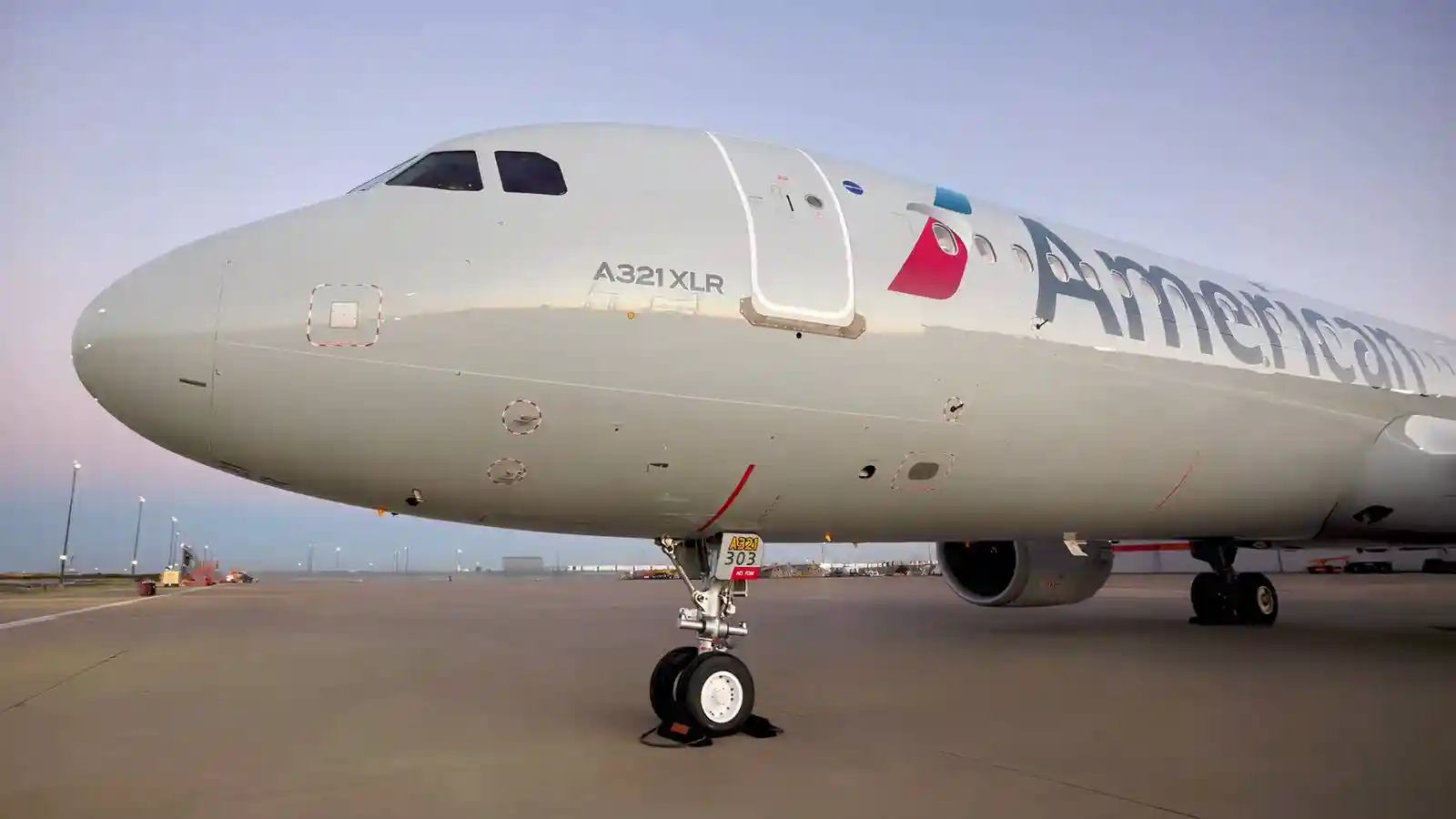
American’s A321XLR Fleet Is Heading Toward 40 Aircraft
The 10-aircraft milestone represents only the early phase of American’s A321XLR program. The airline ultimately plans to build its fleet to 40 aircraft, meaning the current operation will expand considerably as deliveries continue.
Reaching 12 aircraft by the end of 2026 would give American a larger pool with which to develop schedules, increase frequencies and test additional long-distance markets. Over time, the A321XLR is positioned to become an important part of the carrier’s network, particularly on routes where a widebody would provide more capacity than the market can consistently support.
For American Airlines, the growing A321XLR fleet is therefore about more than adding another aircraft type. It represents a strategy for combining long-range capability, premium seating and right-sized capacity. With 10 aircraft now in the fleet and two more expected by year-end, the program is moving steadily toward a much larger presence across American’s domestic and international network.