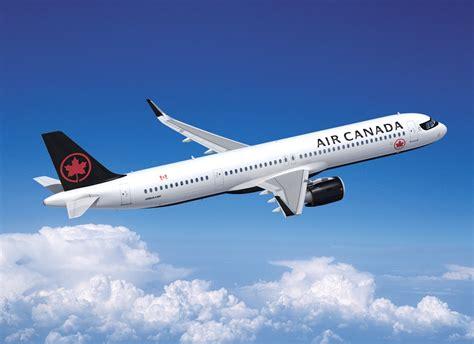
Air Canada’s new Airbus A321XLR fleet is more than a long-range narrowbody expansion. It is becoming an important real-world test of whether Pratt & Whitney has finally solved the durability problems that damaged confidence in its geared turbofan family. The airline has ordered 30 A321XLRs, with 14 additional options, and the first aircraft entered service in April 2026. Two more had arrived by August, with deliveries expected to continue through 2029.
The significance goes beyond Air Canada’s fleet plans. The A321XLR is designed to fly much longer missions than conventional narrowbody aircraft, often carrying large quantities of fuel and operating for many hours at a time. That makes its engines particularly important. If the PW1100G GTF Advantage can deliver the durability, reliability and time-on-wing that Pratt & Whitney promises under these demanding conditions, Air Canada could provide one of the clearest early demonstrations that the GTF program has moved beyond its most difficult period.
For Pratt & Whitney, the timing could hardly be more important. The original PW1100G became associated with accelerated inspections, engine removals and aircraft groundings after problems involving powdered metal contamination emerged. At one point, more than a quarter of the global GTF-powered fleet was affected by groundings. The resulting disruption was particularly painful for airlines operating A320neo-family aircraft and A220s, including Air Canada.
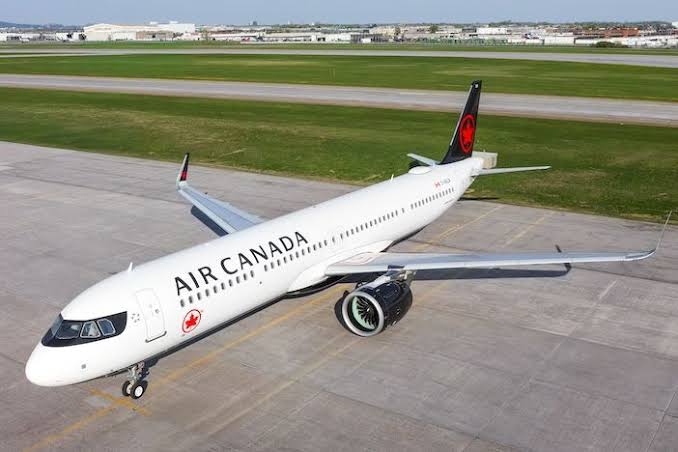
Yet Air Canada has continued forward with Pratt & Whitney-powered aircraft. That decision gives its new A321XLR fleet an unusual role. The airline is not entering the program without experience of the GTF’s weaknesses. Instead, it is accepting a new generation of the engine after having already dealt with the consequences of the previous generation’s durability problems.
Air Canada’s Airbus A321XLR Fleet Is Built For Longer Routes
Airbus delivered Air Canada’s first A321XLR in April 2026, marking the arrival of a type that can occupy an important space between conventional narrowbody aircraft and larger widebodies. The A321XLR has a claimed range of up to 4,700 nautical miles, giving airlines the ability to connect markets that may not generate enough demand for a widebody but are too long or too thin for many traditional narrowbody operations.
For Air Canada, that capability creates opportunities across the Atlantic and beyond. Routes linking Toronto and Montreal with destinations such as Berlin, Toulouse and Edinburgh are examples of the kind of markets for which the aircraft is particularly suitable. Rather than filling hundreds of seats with a widebody, the airline can use a smaller aircraft while retaining the ability to operate long-distance nonstop services.
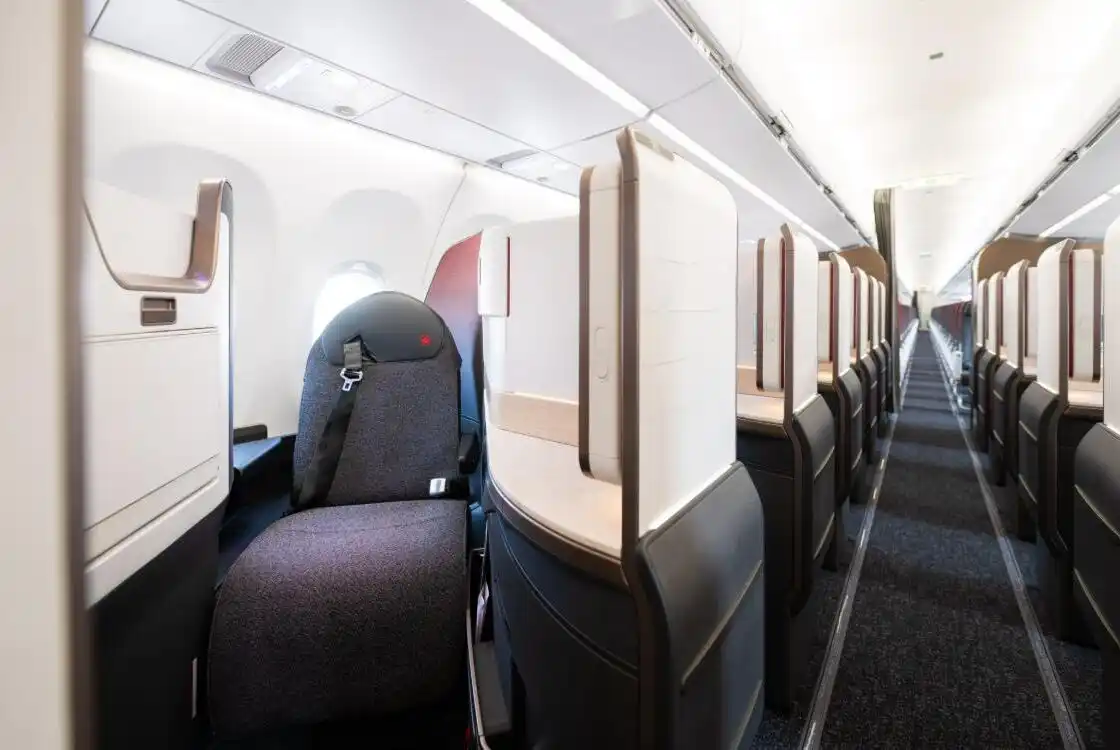
The aircraft also introduces a premium-heavy configuration for a narrowbody. Air Canada’s A321XLRs are configured with 14 Signature Class seats arranged in a 1-1 layout, with full-flat seating, alongside 168 economy seats. The cabin also incorporates Airbus’ newer interior design, which provides substantially more storage space than previous-generation configurations.
Airbus claims the A321XLR can deliver approximately 30% lower fuel burn per seat than previous-generation competitor aircraft. That efficiency is one of the fundamental reasons airlines are interested in the aircraft, but efficiency alone does not determine whether an airplane succeeds operationally. The engine must also remain available and reliable enough to support the schedule.
That is where Air Canada’s aircraft become particularly interesting.
Why The GTF Advantage Matters More On The A321XLR
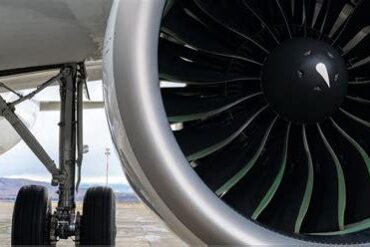
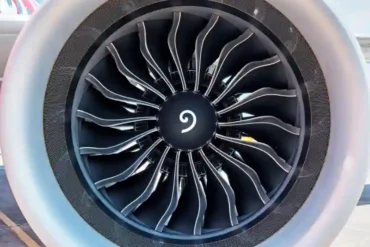
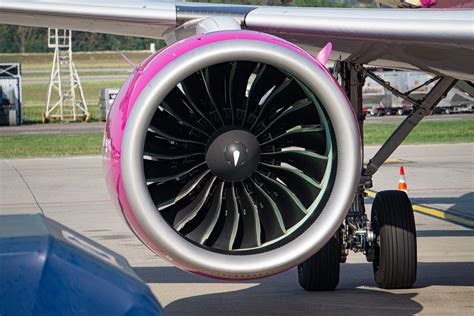
The GTF Advantage is not a completely new engine architecture. Instead, it is an evolution of the PW1100G geared turbofan, incorporating changes intended to improve performance, durability and operating capability.
Pratt & Whitney says the upgraded engine can produce 4% more takeoff thrust at sea level and up to 8% more at hot-and-high airports. It also claims roughly 1% better fuel efficiency and, most importantly for airlines that experienced the earlier problems, significantly improved durability and approximately double the time-on-wing.
Those promises will eventually have to be judged by operational experience rather than specifications.
The A321XLR provides an especially useful environment for that assessment because its mission profile is more demanding than the typical short-haul operation of a narrowbody aircraft. Longer flights mean extended engine operating periods, while the aircraft’s large fuel load can contribute to higher takeoff weights. The combination puts additional emphasis on thermal management, engine durability and time-on-wing.
This does not mean every long flight represents an extraordinary stress event. Modern turbofan engines are designed for long-duration operation, and the A321XLR was specifically developed for extended missions. But from an airline’s perspective, the accumulated effect of longer sectors matters. If an engine can remain on-wing for a greater number of cycles and flight hours while maintaining predictable maintenance requirements, its value becomes much greater.
Conversely, if the engine requires frequent inspections or premature removals, the advantages of the A321XLR’s range and fuel efficiency become harder to realize at the fleet level.
The Original GTF Durability Crisis Changed The Equation
The background to Air Canada’s new aircraft cannot be separated from the problems that affected the original GTF family.
The PW1100G’s geared architecture was designed to deliver efficiency by allowing the fan and the low-pressure turbine to operate at different speeds. The concept helped make the GTF one of the defining engine technologies of the A320neo generation, but the family subsequently faced significant durability problems.
The most disruptive issue involved powdered metal contamination in certain engine components. The discovery resulted in accelerated inspections and engine removals, leaving airlines with aircraft that could not operate despite the airframes themselves being otherwise serviceable.
The problem was particularly disruptive because it affected a rapidly expanding aircraft family. The PW1100G powers many Airbus A320neo-family aircraft, while the related PW1500G powers the Airbus A220. Air Canada operates both families, making the airline a direct participant in the broader GTF reliability story.
Pratt & Whitney therefore has something substantial to prove. Technical certification establishes that an engine meets regulatory requirements, but airline reliability is measured differently. Operators care about whether aircraft can fly the schedule, whether engines remain on-wing as expected, how maintenance events are planned and whether unexpected removals create operational disruption.
The GTF Advantage is intended to address precisely those concerns.
Air Canada’s Decision Is Significant For Pratt & Whitney
Air Canada could have taken a different approach when selecting engines for its A321XLR fleet. The A320neo family can be equipped with either the CFM International LEAP-1A or Pratt & Whitney’s GTF, giving airlines a choice between two major engine technologies.
The LEAP has remained the dominant rival in the A320neo engine market, while Pratt & Whitney has continued to secure substantial GTF orders despite its difficulties. The GTF family has accumulated more than 11,000 orders for the A320neo family, demonstrating that the reliability crisis did not eliminate airline confidence in the architecture.
Air Canada’s decision is nevertheless noteworthy because the airline has already experienced GTF-related disruption elsewhere in its fleet. It is therefore not making its A321XLR selection based purely on theoretical performance.
That makes the new aircraft an important operational vote of confidence in the improved engine. It does not prove that the GTF Advantage will achieve Pratt & Whitney’s durability targets, but it gives the manufacturer an operator with significant firsthand experience of the previous generation’s problems.
The outcome will be watched closely by other airlines considering their own A321XLR engine selections.
The A321XLR Could Become A Real-World Durability Test
There is an important distinction between testing an engine and operating an engine. Pratt & Whitney can conduct extensive laboratory, certification and flight testing, but commercial service exposes engines to a much wider range of operating conditions over thousands of flights.
Air Canada’s A321XLRs will gradually accumulate that operational evidence. The most important data will not come from a single flight or even a single aircraft. It will emerge from the fleet over time as the engines accumulate flight hours, flight cycles and time on-wing.
Maintenance events will be particularly revealing. Airlines will want to know whether the GTF Advantage can achieve its promised improvements without creating another cycle of unexpected inspections and removals. The number of engines requiring premature maintenance, the duration of maintenance visits and the frequency of unplanned engine-related disruptions will all matter.
The first few aircraft cannot establish that conclusively. Three aircraft, for example, represent only a tiny operational sample compared with the eventual fleet of 30. But as more A321XLRs arrive and accumulate flying time, the dataset will become increasingly meaningful.
That is why the delivery schedule through 2029 matters. Pratt & Whitney is not simply supplying a handful of engines for a demonstration program. It is supporting a fleet that will gradually provide years of operational experience.
Air Canada’s Fleet Provides A Useful Engine-Risk Perspective
Air Canada’s broader fleet also makes the airline an interesting case study in engine strategy. Its A220 aircraft use PW1500G engines, while its older A320 and A321 aircraft use CFM56 engines. The airline’s Boeing 737 MAX fleet uses CFM LEAP-1B engines, while its 787s use General Electric GEnx-1Bs and its 777s use GE90s.
Its A330 fleet is powered by Rolls-Royce Trent 700 engines, while future A350-1000 aircraft will use Rolls-Royce Trent XWB engines.
This means Air Canada is not dependent on a single engine manufacturer across its entire fleet. That diversification can reduce exposure to a single technical problem, although it also creates a more complicated maintenance environment.
The contrast is useful because airlines make different choices about engine concentration. Some carriers favor a high degree of commonality to simplify maintenance, training and spare-parts requirements. Others accept additional complexity in exchange for spreading technical risk across multiple engine families.
Air Canada’s A321XLR selection therefore provides another example of how airlines balance efficiency, commonality, reliability and long-term maintenance costs.
The GTF Advantage Has To Prove More Than Better Fuel Burn
Fuel efficiency is one of the most attractive characteristics of the A321XLR, but an airline cannot schedule an aircraft around theoretical fuel savings if the engines cannot maintain reliable utilization.
That is why durability may ultimately matter more than the headline efficiency improvement.
An engine that burns slightly less fuel but requires unexpected maintenance can create costs that extend far beyond the engine itself. Aircraft substitutions, cancellations, spare-engine requirements, maintenance labor and disrupted schedules can quickly overwhelm relatively small fuel savings.
The GTF Advantage therefore needs to demonstrate that its improvements work together. Higher thrust, lower fuel consumption and improved thermal performance are valuable, but the critical question for operators is whether those improvements translate into predictable commercial operation.
The A321XLR’s longer missions make that question particularly relevant. A technical problem that grounds an aircraft does not become less expensive simply because the aircraft is fuel efficient.
Why The First Air Canada A321XLRs Are Only The Beginning
The arrival of Air Canada’s first three aircraft is significant, but it is far too early to declare the GTF Advantage either a success or a failure based on such a small operational sample.
The more important milestone will come as the fleet expands. Each additional A321XLR will increase the number of engines accumulating flight hours and cycles. Over time, that should provide a clearer picture of maintenance requirements and actual time-on-wing.
For Pratt & Whitney, this represents an opportunity to demonstrate that the lessons from the original GTF problems have been incorporated into production engines. For Air Canada, it represents an opportunity to operate a highly efficient aircraft capable of opening new long-haul routes without deploying a widebody.
For the wider industry, the implications are even larger. The A321XLR has already attracted hundreds of orders because airlines see value in an aircraft capable of replacing some traditional 757 missions while opening routes that previously struggled to support larger aircraft. The engine’s reliability will therefore influence not only Air Canada’s economics but also how confidently other operators approach the GTF Advantage.
The 30 Air Canada A321XLRs are not a controlled laboratory experiment, and their experience will not settle every question surrounding the GTF family. But they will provide something certification programs cannot fully replicate: years of commercial airline experience on long, demanding narrowbody missions.
If the GTF Advantage delivers the durability and time-on-wing improvements Pratt & Whitney promises, these aircraft could help demonstrate that the company has successfully moved beyond the most damaging chapter of the PW1100G’s history. If operational experience reveals continuing weaknesses, the industry will have equally important information about the risks of relying on the new engine standard.
Either way, Air Canada’s A321XLR fleet will be closely watched. The aircraft may be designed to bridge the gap between narrowbody and widebody operations, but its engines are now being asked to bridge another gap — between Pratt & Whitney’s troubled GTF past and its reliability ambitions for the future.