The economics of commercial aviation look very different from the passenger cabin. Behind the familiar schedules of major airlines is another part of the industry that moves thousands of tons of freight across oceans every night, connecting manufacturing centers, distribution hubs, and consumer markets around the world. In 2026, widebody cargo pilots remain among the most highly compensated professionals in commercial aviation, particularly when they reach senior captain positions at major U.S. cargo carriers.
The appeal is not simply a matter of a large annual salary. Cargo pilot compensation combines base pay with seniority increases, overtime, premium assignments, international allowances, retirement contributions, and other benefits. For pilots operating aircraft such as the Boeing 747-8F and Boeing 777F, the financial rewards reflect the experience required to command large freighters on demanding international missions.
The salary progression can also be unusually steep. A new first officer may begin with an income in the five-figure range, but years of seniority and an eventual upgrade to captain can transform the financial picture. At the upper end of the industry, experienced widebody cargo captains can earn several hundred thousand dollars annually, with the highest total compensation packages potentially moving beyond $450,000 a year.
Widebody Cargo Pilot Salary Range in 2026
For pilots entering major cargo operations in 2026, the first officer position represents the beginning of a structured progression toward substantially higher earnings. At major cargo airlines, first officer salaries generally fall between $90,000 and $140,000 annually, depending on the airline, aircraft assignment, seniority, and additional forms of compensation.
That range is already significant for an entry-level position in the cargo sector, but the headline salary does not necessarily represent everything a pilot can earn. Per diem payments, overtime, premium pay, international assignments, and less desirable scheduling can all affect total compensation. Cargo flying frequently takes place overnight or during hours when passenger demand is lower, creating working patterns that differ considerably from those experienced by many passenger-airline crews.
The aircraft itself is another important factor. A pilot assigned to a large widebody freighter can progress toward higher compensation as experience and seniority accumulate. Moving onto aircraft such as the 777F or 747-8F places crews in an operation involving greater payload capacity, long-distance missions, and complex international procedures. These factors help explain why the career path becomes increasingly lucrative as pilots accumulate experience.
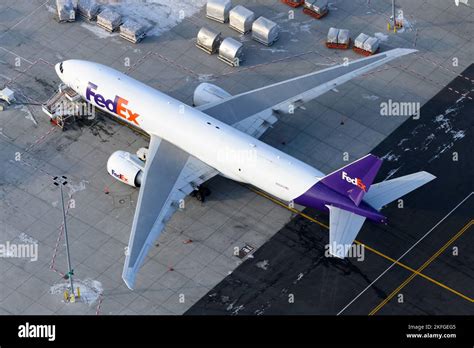
At carriers such as FedEx Express and UPS Airlines, compensation generally follows a seniority-based structure. A first officer who remains with the company for several years can see hourly rates rise substantially, while additional flying and premium opportunities can push annual earnings beyond what a basic salary table might suggest.
How Much Do FedEx and UPS Cargo Captains Make?
The biggest financial change in a cargo pilot’s career generally occurs when a first officer upgrades to captain. In 2026, widebody cargo captains at major operators can earn $180,000 to $300,000 or more, depending heavily on seniority, aircraft, and the structure of the individual contract.
The highest-paid pilots at the major integrators can go considerably beyond that range. A senior UPS captain flying a Boeing 747-8F can earn close to $34,000 per month, while a FedEx captain on comparable equipment can earn approximately $30,500 per month according to the figures in the reference data. These monthly rates demonstrate why aircraft assignment and seniority can have such a dramatic effect on lifetime earnings.
FedEx’s progression illustrates how compensation can increase over a pilot’s career. A six-year captain is cited at approximately $287,566 annually, while a twelve-year captain reaches about $300,859. At UPS, the corresponding figures are even higher, with a six-year captain earning approximately $358,789 and a twelve-year captain reaching roughly $375,472.
These figures should not be interpreted as universal salaries for every pilot at either company. Actual earnings depend on the applicable pay scale, aircraft, position, credited hours, premium flying, and other contract provisions. Nevertheless, they illustrate the enormous financial difference between entering the industry as a first officer and reaching a senior widebody captain position.
FedEx 777 Pilot Pay Shows the Effect of Seniority
Hourly pay provides another useful way to understand the progression. For FedEx 777 pilots, the referenced figures show first officer and captain rates increasing significantly with years of service.
| Years of Service | First Officer ($/hr) | Captain ($/hr) |
|---|---|---|
| 1 | $84 | $276 |
| 5 | $198 | $310 |
| 10 | $221 | $319 |
| 15+ | $237 | $335 |
The difference between first officer and captain compensation is immediately apparent. During the first year, the cited captain rate is more than three times the first officer rate. As seniority increases, the first officer rate also climbs considerably, but the captain position remains substantially more valuable financially.
The figures also demonstrate why the timing of an upgrade matters so much. A pilot who reaches captain earlier spends more years earning captain-level rates rather than remaining on the first officer scale. In a career that can span several decades, even relatively small differences in the number of years spent at higher pay rates can have a substantial effect on cumulative earnings.
Why Widebody Cargo Captains Earn So Much
The compensation of senior cargo pilots reflects more than the size of the aircraft. Widebody freight operations require crews to manage international regulations, long overwater flights, changing weather conditions, complex dispatch requirements, demanding weight and balance considerations, and operations across multiple time zones.
A 747-8F or 777F can carry an enormous amount of freight, and the consequences of operational decisions can be significant. Captains are responsible for the aircraft, crew, and safe completion of the flight while working within tightly coordinated logistics networks. Unlike a passenger flight, where travelers are the visible product, cargo operations are often one component of a much larger supply chain that must function on schedule.
International flying can also contribute to higher total compensation. Long-haul missions generate extended duty periods and may involve additional allowances or premium payments. Cargo airlines also frequently operate at night, when major freight hubs are at their busiest. For pilots who are comfortable with overnight schedules and unusual working hours, these operations can provide attractive earning opportunities.
There is also a practical economic reason for the high compensation. Major cargo carriers depend heavily on experienced pilots who can operate their largest aircraft reliably across a global network. Training a pilot to the required standard takes substantial time and resources, making experience and retention valuable to the airline.
The Highest-Paid Widebody Cargo Pilots in 2026
The upper end of the salary scale is where widebody cargo flying becomes particularly notable. Top-earning FedEx captains can exceed $450,000 in total annual compensation, according to the reference material. That figure is not simply a base salary. It can include overtime, bonuses, premium flying, and other forms of compensation associated with seniority and international operations.
This distinction between base pay and total compensation is essential when looking at pilot salaries. Two pilots with similar contractual hourly rates can have very different annual earnings depending on how much they fly, the type of flying they perform, and the additional compensation available through their schedules.
Retirement benefits can also add substantial long-term value. FedEx, for example, is described as offering both 401(k) contributions and a defined benefit pension plan. Such benefits can materially increase the overall value of a career even though they do not appear in a headline annual salary.
For a senior pilot, scheduling itself can become financially important. Greater seniority can provide more control over bidding and assignments, allowing pilots to structure their flying around their personal preferences and earning goals within the limitations of the company’s system. The result is a compensation package that becomes increasingly valuable not only because of the paycheck but also because of the benefits and scheduling flexibility accumulated over time.
Atlas Air and Kalitta Air Pilot Salaries
FedEx and UPS attract considerable attention because of their scale, but they are not the only major employers of widebody cargo pilots. Atlas Air and Kalitta Air operate important freighter networks and provide substantial career opportunities for pilots seeking experience in international cargo aviation.
The salary figures in the reference material show a noticeable difference between these operators and the largest integrators. Atlas Air captain compensation is cited at approximately $172,000 at higher seniority levels, while Kalitta Air captains can reach approximately $266,000 at the upper end of the scale.
These differences reflect more than the size of an airline’s fleet. Contract structure, route network, aircraft mix, seniority systems, and the nature of the operation all influence pilot compensation. Contract cargo operators can also have different patterns of flying from integrated logistics companies, potentially creating different trade-offs between pay, schedules, and route assignments.
For some pilots, however, salary is only one part of the decision. Widebody experience itself can be extremely valuable. A pilot building experience on international freighters gains exposure to the operational environment required by some of the industry’s largest aircraft and longest routes. That experience can open additional opportunities later in a career.
Boeing 747-8F Operations and Pilot Experience
The Boeing 747-8F remains an important symbol of high-capacity cargo aviation. The aircraft’s unusual combination of size, range, and payload capacity makes it particularly well suited to moving large volumes of freight between major global hubs.
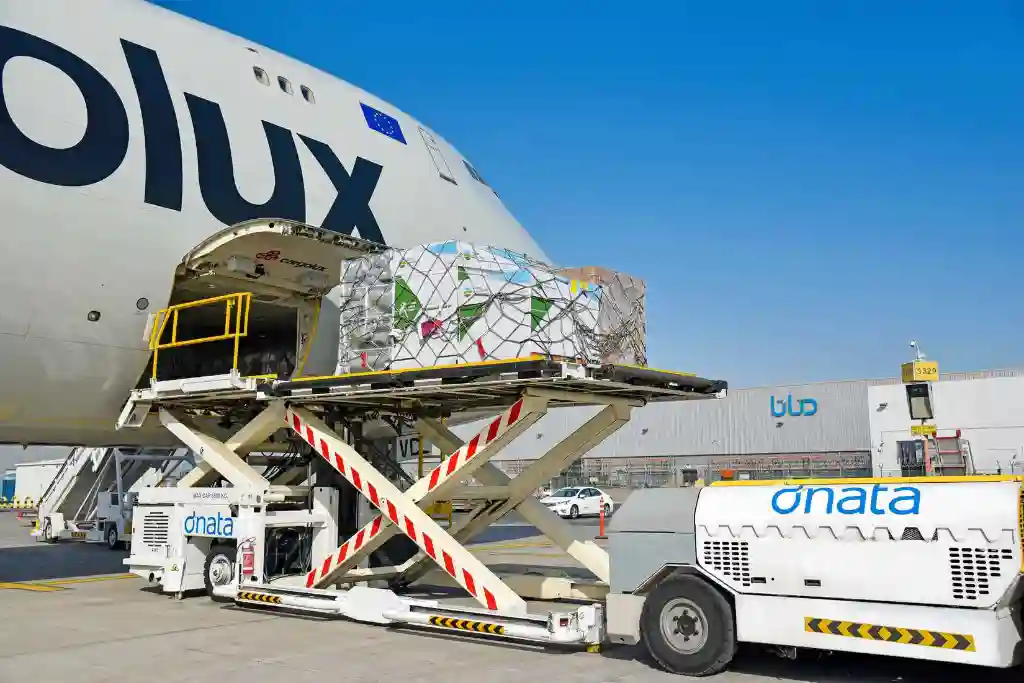
The reference data identifies UPS as the largest 747-8F operator with 30 aircraft, followed by Cargolux and Cathay Pacific with 14 each, Atlas Air with 13, and Nippon Cargo Airlines with eight. These operators illustrate how the aircraft continues to occupy a specialized position in global freight networks.
For pilots, operating a 747-8F represents a significant level of professional responsibility. The aircraft’s size and complex systems require extensive training, while international operations add another layer of operational demands. That combination helps explain why experience on the type can be associated with higher compensation and why senior widebody positions are among the most sought-after jobs in cargo aviation.
How Quickly Can Cargo Pilots Become Captains?
One of the most financially important characteristics of the cargo pilot career path is the potential speed of progression. At major cargo carriers such as FedEx and UPS, pilots can potentially upgrade to captain within roughly five to eight years, although actual timing depends on fleet needs, seniority, hiring conditions, retirements, and other operational factors.
The difference between reaching captain after five years and remaining a first officer for another several years can be enormous. Because captain pay is dramatically higher, every additional year spent at the captain level can increase lifetime earnings substantially.
The cargo industry’s expansion and the continuing need to replace retiring pilots can influence upgrade opportunities. Fleet changes can also create vacancies that move pilots through the seniority system. However, rapid progression should not be confused with an automatic promotion. Pilots must meet the company’s experience and qualification requirements, and available captain positions depend on the airline’s staffing needs.
The promotion also represents a major increase in responsibility. A captain is not simply a pilot receiving a larger paycheck. The position involves command authority, crew leadership, operational decision-making, and responsibility for managing complex situations. The higher compensation reflects that additional responsibility as well as accumulated experience.
What Makes Cargo Pilot Compensation Different?
Cargo and passenger pilots share many fundamental aviation skills, but their working environments can be remarkably different. Passenger airlines generally organize their networks around travelers and schedules designed around customer demand, while cargo operators are often built around logistics flows and overnight freight movements.
That difference affects lifestyle as well as compensation. Cargo pilots may spend more time operating at night and may fly schedules that would be considered unconventional in other parts of commercial aviation. Some pilots find these patterns difficult, while others value the concentrated blocks of time away from work that can accompany certain cargo schedules.
The financial structure can also reward pilots who accumulate seniority and take advantage of available premium flying. Because widebody cargo networks frequently involve long international sectors, a pilot’s monthly flying pattern can be very different from that of someone operating shorter domestic passenger routes.
Ultimately, there is no single number that defines a widebody cargo pilot’s income. A first officer earning around $100,000 and a senior captain approaching or exceeding $450,000 may both accurately represent the same career path at different stages.
The Long-Term Financial Picture for Widebody Cargo Pilots
Looking at salary alone understates the potential value of a long career with a major cargo airline. The combination of seniority-based pay, captain upgrades, overtime, premium flying, retirement benefits, and international operations can create a compensation trajectory that becomes increasingly powerful over time.
The most important transition remains the move from first officer to captain. Once a pilot reaches a senior widebody command position, the annual income can become several times higher than it was during the earliest stage of the career. Retirement benefits then add another layer of long-term value that is not captured by annual salary figures.
For aspiring pilots, the path therefore involves more than choosing between cargo and passenger flying. It means considering aircraft type, company contract, upgrade opportunities, scheduling, retirement provisions, international exposure, and the lifestyle associated with freight operations.
In 2026, the numbers make one point particularly clear: widebody cargo pilots occupy one of the most financially rewarding segments of commercial aviation. First officers can build a strong income early in their careers, while experienced captains at the largest operators can reach compensation levels rarely seen elsewhere in professional flying. With global freight networks continuing to depend on large freighters and experienced crews, the economics of the profession remain closely tied to both the complexity of the aircraft and the importance of keeping worldwide cargo moving around the clock.