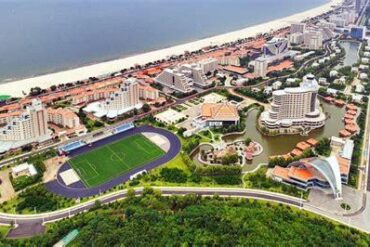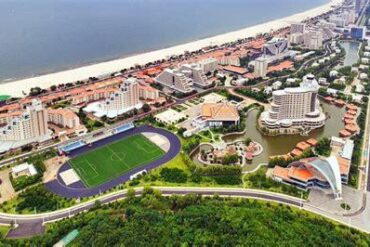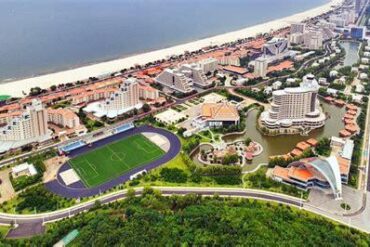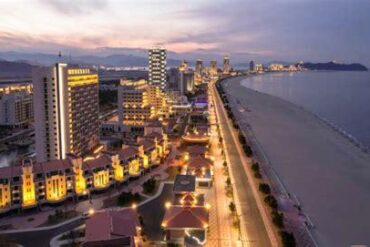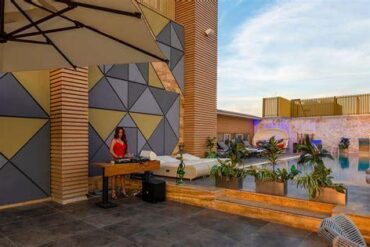
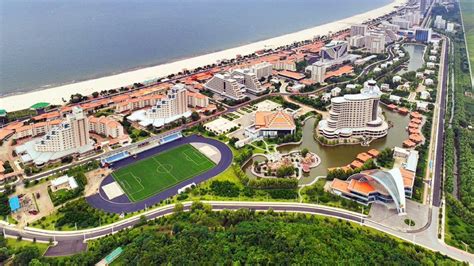
North Korea has officially launched the Wonsan Kalma Coastal Resort, an ambitious project that promises to transform the nation’s tourism landscape. Located along the breathtaking eastern coast, this resort is expected to serve as a catalyst for future tourism growth while playing a vital role in diversifying the country’s economy. The establishment of this resort is a significant step towards enhancing North Korea’s appeal as a destination not only for domestic tourists but also for international visitors.
The vision behind the Wonsan Kalma Coastal Resort reflects the leadership’s desire to bolster the tourism industry, attract foreign investment, and improve the nation’s standing on the global stage. Reports from state media indicate that visitors have expressed profound amazement at the resort’s grandeur and luxurious amenities. With a capacity to host nearly 20,000 people, the resort is being hailed as one of North Korea’s key projects aimed at reshaping the country’s tourism landscape and is integral to the regime’s broader economic strategy.
In a striking move, the project has been referred to as “North Korea’s Waikiki” by South Korean media, emphasizing its aspiration to become a premier destination for both locals and international tourists. The development is not merely a structural enhancement; it represents a personal initiative by the country’s leadership, eager to promote tourism, particularly in coastal regions. This initiative is seen as a means of diversifying the economy and attracting foreign capital, which is crucial given the challenges faced by the nation.
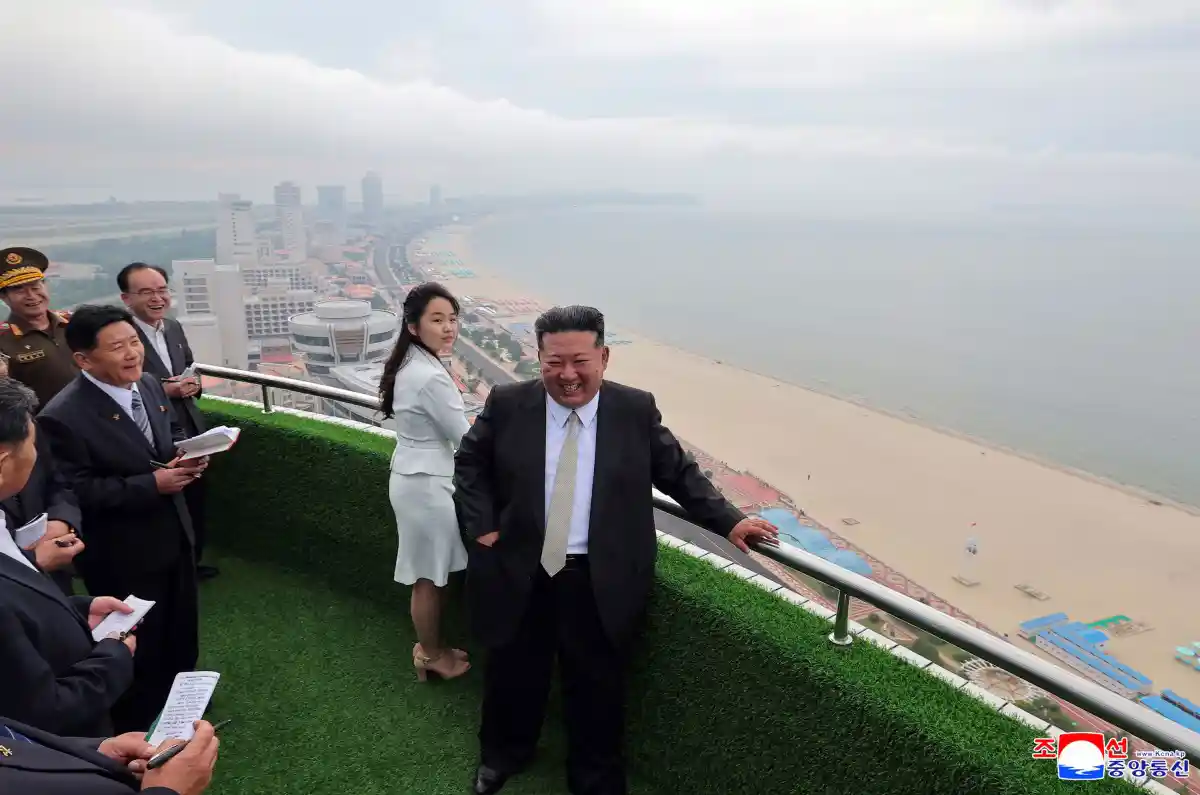
As the resort opened its doors, state-run media celebrated the development as “one of the greatest achievements of the year.” Future plans are already in motion to expand the resort and build additional large-scale tourist zones across the country. Photographs shared by the state press depicted officials enjoying various activities at the resort, underscoring the importance of this project to North Korea’s leadership. Recreational amenities such as water slides and beach activities have been highlighted, designed to appeal to a wide range of visitors.
Starting from July 7, international tourists will be welcomed to explore the resort, with a group of Russian tourists set to arrive for an 8-day trip that includes a visit to Pyongyang. This marks a significant return of foreign tourists to North Korea after the borders were closed during the COVID-19 pandemic. The Russian group will experience the new coastal resort while participating in organized tours of the area and its attractions, marking a hopeful return to pre-pandemic tourism levels.
Despite the optimism surrounding the resort’s opening, there are cautionary notes from South Korea’s Unification Ministry. Limited access and transportation options from Pyongyang to the site may constrain the resort’s growth potential. Currently, the facility is expected to accommodate around 170 visitors per day, with hopes for gradual expansion as infrastructure and transport connections improve over time.
While the Wonsan Kalma resort will primarily cater to domestic tourists and those from Russia initially, experts are optimistic about its future. They believe that, over time, the resort could attract visitors from other countries. However, it is essential to consider that the development of this resort may have been facilitated by a collaboration with Russia. In exchange for resources needed for construction, North Korea might be assisting Moscow with its ongoing geopolitical challenges, including the war in Ukraine.
Before the pandemic, tourism to North Korea was limited and heavily controlled, with Chinese nationals making up the majority of foreign visitors. Western tourism was almost nonexistent, allowing only a handful of tourists into the country each year. As North Korea begins to reopen its borders, the flow of international visitors is gradually increasing. Notably, Russian tourists were permitted to visit in 2024, and Western tourists briefly returned in early 2025, indicating a significant shift in North Korea’s approach to tourism.
The opening of the Wonsan Kalma Coastal Tourist Area underscores North Korea’s strategic aim to position tourism as a significant source of foreign currency. Despite facing numerous geopolitical and logistical challenges, the resort’s inauguration is a bold attempt to attract more visitors, particularly from Russia and potentially other nations in the future. The leadership in North Korea seems to be banking on tourism as a key driver for stimulating the nation’s economy and enhancing its global profile.
In summary, the Wonsan Kalma Coastal Tourist Area represents a major leap forward for North Korea’s tourism ambitions. While its long-term success hinges on overcoming logistical challenges and expanding its appeal to international tourists, the project signals a new chapter in the country’s efforts to diversify its economy and engage more actively with the outside world. As the resort continues to develop, it will be fascinating to observe how it shapes North Korea’s tourism industry and contributes to its broader economic goals.