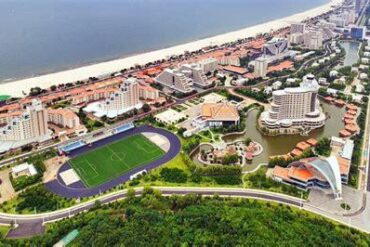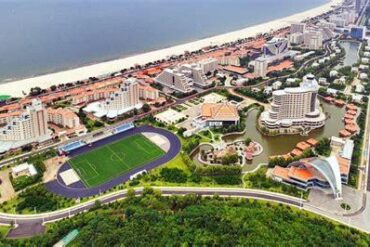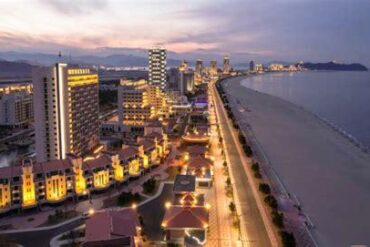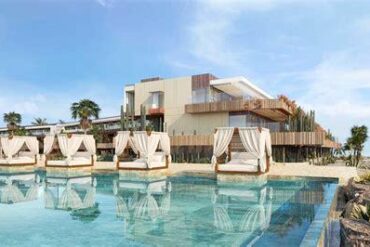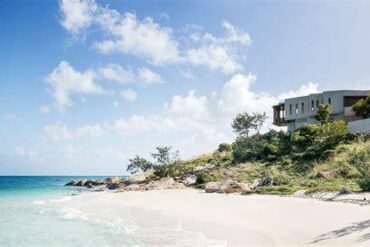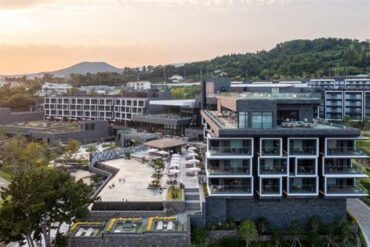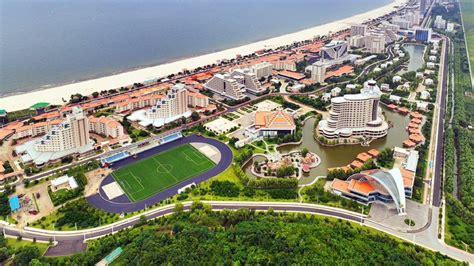
The recent unveiling of the Wonsan–Kalma Coastal Tourist Zone in North Korea marks a significant milestone in the country’s quest to attract international travelers. This expansive beachfront resort, complete with modern high-rise accommodations and thrilling waterparks, represents a bold step toward revitalizing North Korea’s tourism sector, which has long been stifled by isolationist policies. As the world slowly emerges from the shadows of a global pandemic, this luxurious destination is poised to offer exclusive experiences and scenic escapes that are both rare and enticing.
The Wonsan–Kalma Coastal Tourist Zone is not merely a collection of hotels and attractions; it is a carefully crafted environment designed to showcase the beauty of North Korea’s coastline while simultaneously promoting economic growth through tourism. The project signifies a deliberate effort by the North Korean government to reshape its image on the global stage, transitioning from a reclusive state to a viable travel destination.
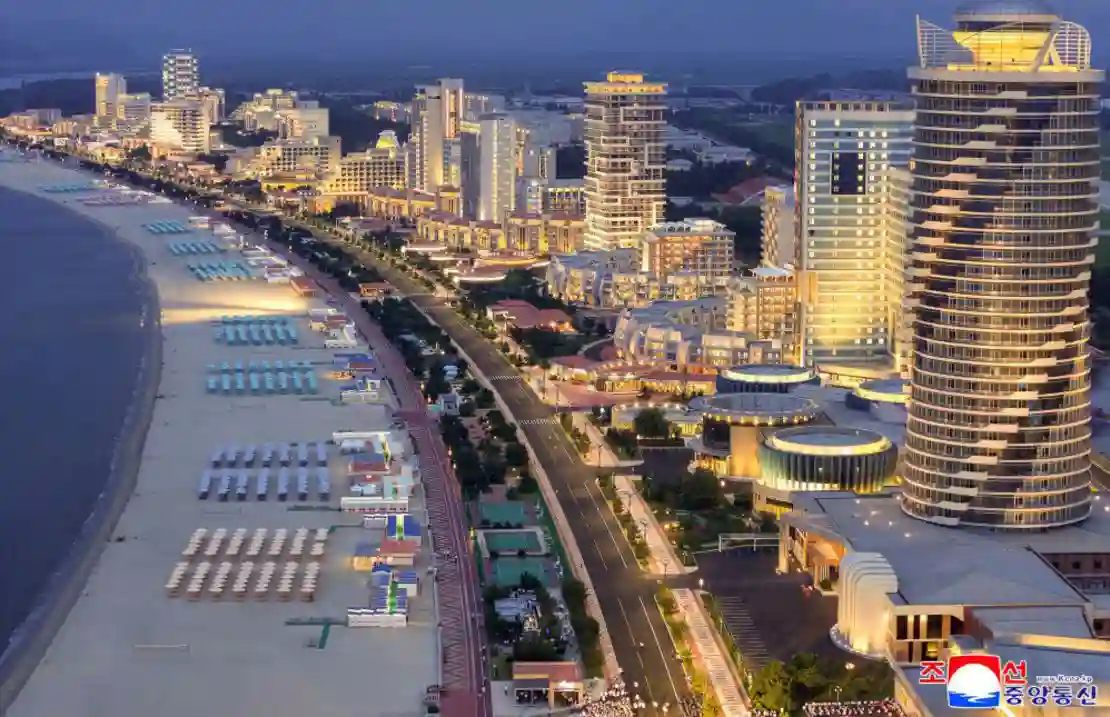
The allure of this new resort lies not only in its stunning views but also in the array of exclusive experiences it offers. Visitors can expect a blend of relaxation and adventure, with amenities that cater to diverse tastes. From luxurious spas and pristine beaches to exhilarating water sports and cultural excursions, the resort is designed to appeal to discerning travelers seeking an unforgettable getaway.
Infrastructure Developments: A Gateway to International Tourism
Strategically situated near an international airport, the Wonsan–Kalma Coastal Tourist Zone is well-positioned to welcome travelers from around the globe. Recent infrastructure improvements, including a newly launched train station, signal a commitment to enhancing accessibility for international visitors. Although current access remains limited primarily to domestic tourists and a select number of Russian nationals, these developments lay the groundwork for future expansion.
Currently, flight services between Pyongyang and Vladivostok serve as the only foreign connection, facilitating travel for about 170 passengers daily. This cautious approach reflects North Korea’s desire to gradually integrate into the international tourism network while maintaining control over visitor numbers and experiences. As the country becomes more open to international engagement, experts anticipate that tourism trends will shift across East Asia, positioning North Korea as a unique destination.
Russian Tourists Leading the Charge
At present, Russian tourists represent the vanguard of foreign travelers to the Kalma beach resort. A travel agency based in Vladivostok has introduced curated package tours priced at approximately US$1,840 for trips during July and August. These packages encompass:
- Round-trip flights to Wonsan
- Accommodations at the luxurious Kalma beach resort
- An excursion to the renowned Masikryong Ski Resort
This blended tourism experience, which combines leisure and adventure, is meticulously designed to appeal to a mid- to high-end market segment. Despite the ongoing suspension of Chinese group tours since early 2020, speculation persists that travel corridors between China and North Korea may soon reopen, contingent upon stabilizing geopolitical relations and public health conditions.
A Vision Years in the Making
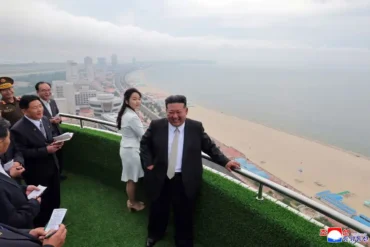
The concept of the Kalma resort originated back in 2013, yet its realization faced numerous hurdles, including international sanctions and raw material shortages exacerbated by the global COVID-19 pandemic. Following a lengthy hiatus, construction resumed in 2024, with assistance from Russian partners playing a pivotal role in bringing the project to fruition. The resort’s official opening ceremony took place on June 25, attended by North Korean officials and dignitaries, including the Russian ambassador. Local media announced that domestic visitors would gain access starting July 1, although specific eligibility criteria remain undisclosed.
Economic Implications and Strategic Intentions
Analysts posit that North Korea views tourism as a vital revenue source, less susceptible to the impacts of international sanctions than other sectors. Statements from South Korea’s Unification Ministry suggest a gradual expansion of Russian tourist access, hinting at a phased rollout of international tourism. However, the complexities of UN sanctions regarding joint ventures and currency transactions may complicate foreign partnerships.
In the absence of clear guidelines, many nations are likely to adopt a wait-and-see approach, observing how North Korea navigates its economic ambitions alongside international obligations. Nevertheless, the Wonsan–Kalma resort stands as a beacon of modernization and strategic diplomacy, representing both a potential income stream and a symbol of the country’s evolving narrative.
A New Chapter for the Global Travel Industry
For the global travel sector, the launch of the Wonsan–Kalma resort introduces an intriguing new destination. While full-scale international access may remain elusive in the immediate future, the mere existence of this luxury resort could prompt industry stakeholders to reassess North Korea as a niche travel market worth exploring. Aviation, accommodation, and guided experience providers are likely to keep a close eye on developments, preparing to adjust their offerings should restrictions ease.
Specialized travel brands catering to adventure seekers, history buffs, or those drawn to politically unique destinations may soon consider including North Korea in their itineraries. As the travel world continues to seek out undiscovered gems and fresh narratives, Wonsan–Kalma may emerge not just as a headline but as a genuine opportunity — one that bridges the gap between isolation and invitation, tradition and tourism, strategy and soft diplomacy.
In conclusion, the unveiling of the Wonsan–Kalma Coastal Tourist Zone is a significant step in North Korea’s journey toward engaging with the world. With its breathtaking scenery, luxurious accommodations, and carefully curated experiences, it promises to be a destination like no other. As the nation cautiously opens its doors, travelers and industry experts alike will be watching closely, eager to see how this new chapter unfolds in the context of global tourism.