The Navy SEALs have long been synonymous with stealth, precision, and unrelenting adaptability in the most hostile environments. Their missions often demand silent infiltration deep into enemy territory, whether for reconnaissance, sabotage, or direct action. For decades, mini submarines have been an integral part of these operations, giving SEAL teams a clandestine way to approach their targets. Yet, the earliest generations of these vessels came with serious limitations — exposing operators to the punishing cold and dampness of prolonged underwater travel. The arrival of the Dry Combat Submersible (DCS) is a monumental leap forward, fundamentally redefining how special operations forces can covertly insert themselves into high-threat zones.
From Open-Water Exposure to a Fully Sealed Environment
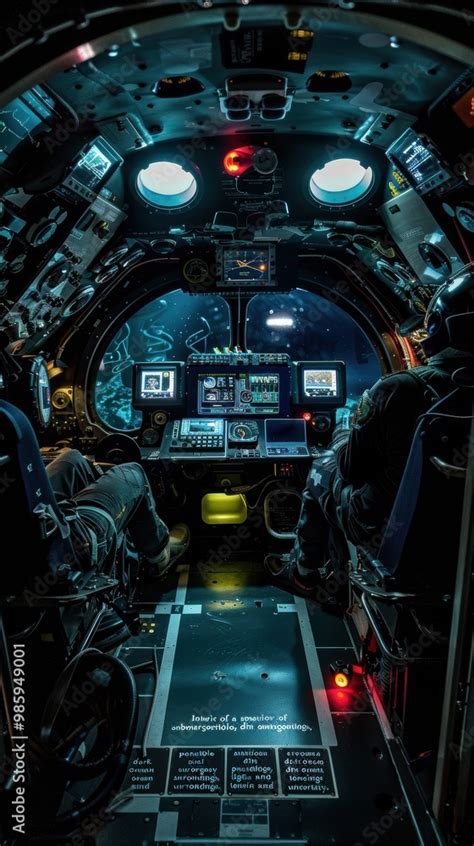
Earlier SEAL Delivery Vehicles (SDVs) were effective for stealthy movement but placed their occupants directly in cold water for hours, often leaving them exhausted and compromised before even starting their mission. Despite their elite conditioning, arriving on-site hypothermic or dehydrated was an undeniable disadvantage. The DCS solves this by offering a fully enclosed, climate-controlled environment, enabling operators to arrive “warm, rested, hydrated, and ready,” as Lockheed Martin — the developer of the system — asserts. For special operations, where every ounce of physical and mental strength can determine mission success, this innovation is transformative.
Technical Brilliance: Breaking Down the DCS
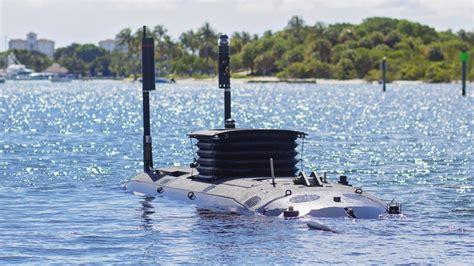
At 31 feet in length and weighing a formidable 31,000 pounds, the Dry Combat Submersible blends cutting-edge technology with practical functionality. It can carry two pilots and up to six passengers, giving SEAL teams ample capacity for insertion or extraction. It is equipped with a diver lock-in/lock-out system featuring an advanced accordion hatch, allowing operatives to enter and exit safely at depths of up to 98 feet, nearly a third of its 328-foot maximum depth rating.
The submarine offers a submerged endurance of 24 hours and a range of over 60 nautical miles at 5 knots, allowing it to perform extended operations without surfacing. This endurance is complemented by a Doppler Velocity Log and Inertial Navigation System for precise movement, alongside obstacle-avoidance sonar, underwater telephone communication, and UHF radio. For more complex missions, the DCS can also integrate additional sensors and mission-specific payloads.
Variants: Block 1 and the Evolution to Block 2
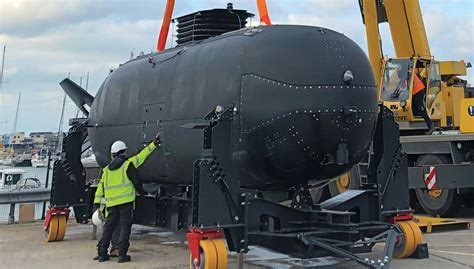
The current model lineup consists of two variants: Block 1 and Block 2. Block 1 reached full operational capacity in 2024 but comes with one significant limitation: it is too large to fit inside a standard submarine’s dry deck shelter, meaning it must be deployed via surface ships. The upcoming Block 2 variant, renamed the Submarine Launch Dry Submersible, is designed to address this drawback, giving SEALs even greater flexibility by allowing launch from larger submarines — a critical advantage for covert insertions in contested waters.
Lessons from Past Failures: The ASDS Program
The concept of a dry SEAL delivery system dates back to the early 1980s, with the Advanced SEAL Delivery System (ASDS) once seen as a groundbreaking innovation. Unfortunately, the ASDS program was plagued by technical issues including insufficient power from its lithium batteries, loud propellers that compromised stealth, and soaring development costs. A catastrophic fire in 2008 destroyed its only prototype, effectively killing the program in 2009 after the Navy had invested nearly $883 million.
But the need for a dry, long-range insertion platform never disappeared. Recognizing the operational gap, U.S. Special Operations Command (SOCOM) awarded Lockheed Martin a $166 million contract in 2016 to develop a new solution. The result is the Dry Combat Submersible, a purpose-built craft designed to address every shortcoming of its predecessors.
Replacing the Mk. 8: A Modern Upgrade for SEAL Teams
For years, SEALs relied on the SEAL Delivery Vehicle Mk. 8, an open-cockpit system that exposed them to cold, currents, and fatigue. It was later replaced by the Shallow Water Combat Submersible Mk. 11 in 2022, a step forward but still lacking the fully enclosed design needed for extended-range missions. The DCS represents the next evolution — a platform capable of delivering operators in prime condition for high-stakes engagements.
Operational Impact: Changing the Nature of Covert Infiltration
The DCS isn’t just a vessel — it’s a force multiplier. By ensuring that SEAL teams arrive on target in optimal physical condition, the submarine enhances combat readiness, decision-making speed, and mission endurance. Whether delivering a reconnaissance team to a heavily monitored coastline or inserting an assault group deep behind enemy lines, the DCS drastically reduces detection risk while increasing operational efficiency.
Moreover, the vessel’s endurance and navigational precision open new possibilities for long-range clandestine missions. Instead of relying solely on submarines or aircraft for insertion, SEAL teams can now quietly approach high-risk areas while minimizing exposure to enemy surveillance.
The Future of SEAL Submersible Operations
The arrival of the Dry Combat Submersible marks a pivotal moment for Naval Special Warfare. The shift from “wet” to “dry” delivery platforms represents not just a technological upgrade but a paradigm change in how SEAL teams conduct maritime infiltration. With ongoing refinements, especially the launch capabilities expected in Block 2, the DCS is set to become a cornerstone of future special operations strategy.
As geopolitical tensions continue to shift and naval conflicts become increasingly complex, platforms like the DCS will define the next generation of covert warfare. Its combination of stealth, endurance, and operator-focused design ensures that Navy SEALs remain at the forefront of maritime special operations, capable of reaching their objectives silently, efficiently, and in fighting shape.