The United States Air Force has long understood that its impact extends far beyond combat missions. Its aircraft are cultural icons, symbols of American innovation, and often powerful recruitment tools. Among these, a fascinating creation has emerged: the Mini C-130, a scaled-down yet captivating tribute to the legendary C-130 Hercules. This unconventional aircraft replica doesn’t soar through the skies, but its role in military outreach and community engagement is far more significant than many realize.
What Exactly Is the Mini C-130?
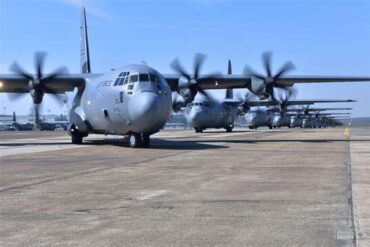
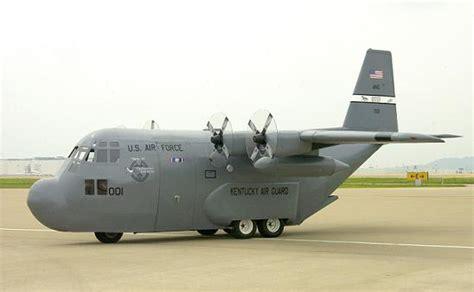
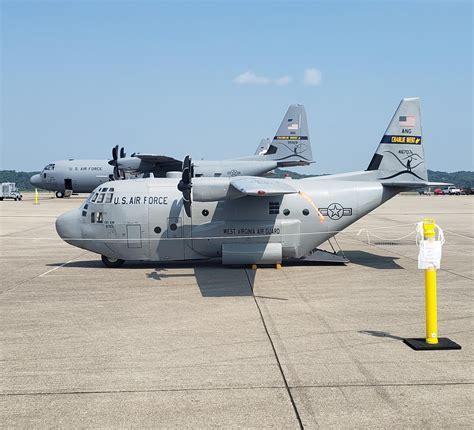
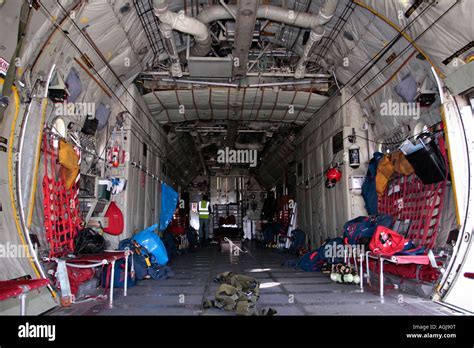
The Mini C-130 is not an operational aircraft but a meticulously crafted replica of the C-130 Hercules transport plane, one of the most versatile and enduring aircraft in U.S. military history. Developed by the 123rd Airlift Wing, this model was first introduced in 2004 and is based on a Cushman three-wheeler cart. While it can’t lift off the ground, it still captures the spirit of the Hercules in design and presence.
Despite its scaled-down size, the Mini C-130 is more than a static display. Powered by a 27-horsepower motor, it can reach speeds of up to 20 miles per hour and accommodate up to 12 passengers. These aren’t military transport missions, of course, but opportunities for young people and community members to experience the feeling of boarding a military-style aircraft—an experience designed to inspire and educate.
The Purpose Behind the Mini C-130
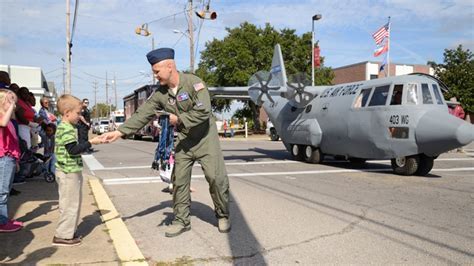
If the Mini C-130 can’t fly or carry heavy cargo, what’s the point? The answer lies in community engagement and recruitment. This unique vehicle makes appearances at air shows, parades, school events, and public gatherings, where it serves as a hands-on educational tool for civilians. It allows people—especially children—to engage with the military in a personal, interactive way.
Master Sergeant Marty Jones of the 145th Airlift Wing, which built its own Mini C-130 over the course of five years, explained that the project was motivated by a desire to connect with the public: “We give our time to kids and educate them about the Air Force,” he said, emphasizing how the delight and excitement of children make the effort worthwhile.
This interaction fosters a tangible connection between civilians and military personnel, sparking interest in aviation, engineering, and potential future careers in the armed forces. For many veterans, early experiences like this have been the first step toward a lifelong commitment to service.
A Legacy That Started with “Lil’ Bill”
The Mini C-130 is not a standalone creation. Its story begins with a predecessor named Lil’ Bill, the first miniaturized Hercules built by the 403rd Wing at Keesler Air Force Base in 1999. Like its successors, Lil’ Bill was developed as a public outreach vehicle, strategically debuting during Air Force Week to maximize visibility.
Lil’ Bill was designed not merely as a visual display but as an interactive platform to bring communities closer to the Air Force’s mission. Its success inspired other wings—including the 123rd and 145th—to build their own replicas, expanding the initiative into a fleet of community-focused miniatures that continue to travel across the country.
Technical Specifications of the Mini C-130
While it lacks the operational capabilities of the real C-130 Hercules, the Mini C-130 was designed to mimic its larger counterpart’s aesthetic and functional appeal. Some of its notable features include:
- Chassis: Based on a three-wheeled Cushman cart
- Engine: 27-horsepower motor
- Speed: Up to 20 mph
- Capacity: Seats up to 12 passengers
- Appearance: Scaled-down exterior with strikingly accurate detailing to resemble a real C-130
These design choices make the Mini C-130 not only visually engaging but also practical for interactive demonstrations.
The Role of Mini Aircraft in Military Outreach
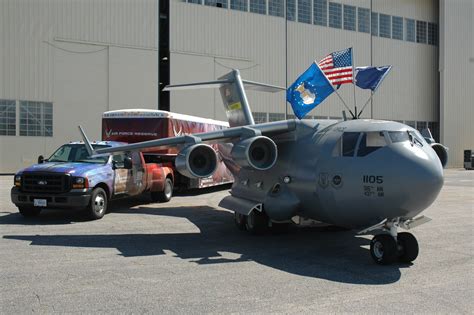
The U.S. military has recognized that community engagement is crucial for maintaining strong civilian-military relationships. The Mini C-130, along with similar projects like the Mini C-17, represents this strategy in action. These replicas don’t simply entertain—they educate, recruit, and humanize the armed forces.
The Mini C-17, for instance, designed by the 315th and 437th Airlift Wings at Charleston Air Force Base, is another standout creation. Measuring 32 feet in length, it is hardly “mini” by most standards but remains a fraction of the size of its full-scale inspiration, the C-17 Globemaster. These efforts underline the military’s commitment to making aviation accessible and fascinating for the public.
Community Impact and Recruitment Value
For the Air National Guard and the Air Force, these miniature aircraft aren’t gimmicks—they’re powerful recruitment tools. By providing an approachable and engaging way to experience military technology, they help to demystify what it means to serve. Children who climb aboard the Mini C-130 may grow up with a stronger sense of connection to the Air Force, while adults gain a better appreciation for the work and dedication of service members.
Events where the Mini C-130 appears often include opportunities to meet active-duty personnel, watch air demonstrations, and learn about the variety of roles within the military. This combination of education, entertainment, and direct interaction creates a lasting impression, one that can ultimately inspire enlistments or support for military initiatives.
Why the Mini C-130 Matters
The Mini C-130 is more than a novelty—it’s a bridge between the military and the communities it serves. By shrinking down one of the Air Force’s most iconic workhorses, it provides a way for civilians to interact with and understand the military’s mission in an informal setting. This small yet significant initiative ensures that the legacy of the C-130 Hercules lives on not just in the skies but in the hearts and minds of those on the ground.
Its continued presence at events across the country speaks volumes about its success. It has evolved into an essential tool for fostering positive public relations, promoting STEM education, and cultivating future service members who will carry forward the Air Force’s traditions.
Conclusion: A Miniature Giant with a Big Mission
The Mini C-130 might lack the wingspan, payload, and combat functionality of the real C-130 Hercules, but its impact on the ground is undeniably significant. It is a symbol of outreach, education, and inspiration, embodying the Air Force’s dedication to community engagement. In the end, the Mini C-130’s mission isn’t about flight—it’s about connection, and in that regard, it soars higher than most realize.