Cambodia’s renowned Angkor Archaeological Park has recorded a remarkable surge in international tourist arrivals in the early months of 2025, welcoming nearly 570,000 visitors from January to June. This significant increase, amounting to an impressive 8.76 percent rise compared to the same period in 2024, underscores the ongoing revival of Cambodia’s tourism sector post-pandemic. As a result of this influx, revenue generated from entrance passes reached a staggering $26.3 million, reflecting an eight percent year-on-year increase. Such figures not only highlight the park’s enduring allure but also signal a robust recovery for the broader Cambodian tourism economy, which is increasingly positioned as a premier destination in Southeast Asia.
The surge in visitor numbers at Angkor is a testament to a well-coordinated national effort aimed at revitalizing the tourism sector. The Cambodian government, in collaboration with infrastructure planners and tourism industry stakeholders, has adopted a unified approach that emphasizes enhanced accessibility and effective marketing strategies. These initiatives have collectively contributed to elevating Cambodia’s profile on the global stage as a must-visit destination rich in cultural heritage and hospitality. With the expansion of international air routes and improvements in cross-border travel, there is growing confidence among tourists from both long-haul and regional markets.

A key driver of this tourism boom has been the modernization of ticketing systems implemented at Angkor. Beginning in early 2025, the park introduced an innovative ticketing and inspection process designed to streamline the visitor experience. Tourists now have the option to purchase tickets through automated kiosks, mobile applications, and official online platforms, thereby reducing wait times and minimizing physical queues. The revamped ticketing system offers three flexible options: a $37 single-day pass, a $62 three-day pass, and a $72 seven-day pass. This convenience empowers visitors to explore various heritage zones within the park at their own pace, while also improving overall visitor flow management.
In addition to on-site enhancements, Cambodia has also made strides in improving its border control procedures. The introduction of the electronic Visitor Pass (v-Pass) in mid-2025 represents a significant leap towards digital efficiency. This digital pass replaces traditional entry stamps and QR stickers, facilitating a paperless, contactless immigration process for arriving travelers. Accessible via the Cambodia e-Arrival platform or mobile app, the v-Pass allows tourists to complete necessary immigration details ahead of time. This initiative has been rolled out at major international airports—including Phnom Penh, Siem Reap, and Preah Sihanouk—as well as at key land and sea entry points, significantly reducing wait times and enhancing traveler convenience.
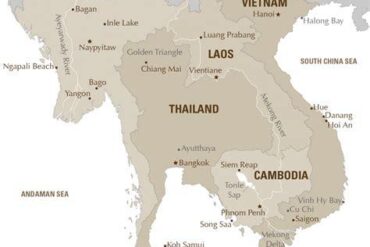
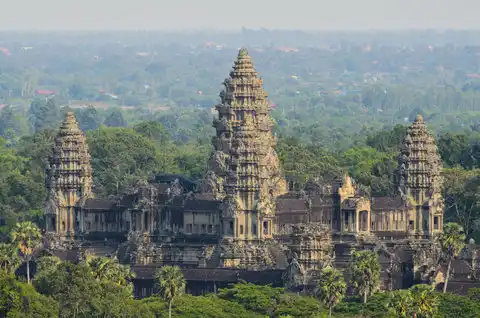
Nestled in Cambodia’s northwestern Siem Reap province, the Angkor Archaeological Park spans an impressive 401 square kilometers and is home to 91 historic temples, including the iconic Angkor Wat. Recognized as one of the greatest architectural achievements of the ancient world, Angkor Wat was constructed between the 9th and 13th centuries and exemplifies the pinnacle of Khmer Empire craftsmanship and spiritual devotion. Designated a UNESCO World Heritage Site in 1992, Angkor has maintained its status as a leading attraction for cultural explorers, heritage enthusiasts, and pilgrims. Its artistic complexity, spiritual ambiance, and historical significance continue to resonate with both first-time visitors and seasoned travelers alike.
The recent uptick in visitor numbers can also be attributed to substantial improvements in infrastructure and travel-related services. Expanded airport capacities, upgraded road networks, and the advent of digital-first services have all contributed to making travel in Cambodia more efficient and accessible than ever before. With the widespread availability of smartphone-friendly tools, contactless payment options, and multilingual support systems, travelers can effortlessly navigate everything from ticket bookings to hotel check-ins. Additionally, local tourism operators are increasingly adopting sustainable practices and immersive cultural programs, aligning with evolving global travel preferences and expectations.
Looking ahead, the outlook for the second half of 2025 appears promising. As the peak tourist season approaches, momentum is expected to build, driven by seasonal travel patterns, improved flight availability, and ongoing promotional activities. Preparations are already underway for Visit Cambodia Year 2026, a nationwide campaign designed to reinforce the country’s position on the global tourism map. The strong performance of Angkor in the first half of the year serves not only as an economic catalyst but also as a model for effective heritage tourism management.
In summary, Angkor’s success in attracting nearly 570,000 foreign tourists within just six months is indicative of more than mere numbers. It reflects a strategic combination of innovation, cultural stewardship, and collaborative reform—solidifying Cambodia’s reputation as a dynamic, forward-thinking travel destination deeply rooted in history. As the world continues to recover from the impacts of the pandemic, the Angkor Archaeological Park stands as a beacon of hope and resilience in the tourism landscape, inviting travelers to experience its unparalleled beauty and rich cultural heritage.