After enduring a transcontinental flight from San Francisco to New York, passengers aboard Delta Air Lines Flight DL405 found themselves facing an unexpected and excruciating final hurdle: a three-hour ground delay to travel just one mile at John F. Kennedy International Airport (JFK). This surreal bottleneck, caused by a perfect storm of winter weather and staffing shortages, transformed what should have been a routine arrival into a logistical debacle emblematic of deeper systemic issues in the U.S. aviation infrastructure.
Transcontinental Efficiency Undone on the Ground
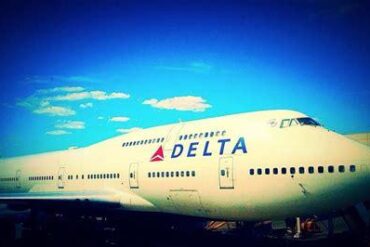
Delta Flight DL405 is a daily service from San Francisco International Airport (SFO) to JFK, scheduled to depart at 7:00 AM and arrive by 3:29 PM local time. On Sunday evening, however, the aircraft, a Boeing 767-300ER, took off at 8:19 AM—already over an hour behind schedule. It managed to make up for some of the delay during the flight, arriving in New York at 4:29 PM.
But instead of a swift taxi to the terminal, passengers were subjected to an additional 2 hours and 58 minutes on the tarmac, a duration that made the taxi time nearly 60% as long as the cross-country flight itself, which lasted 4 hours and 59 minutes.
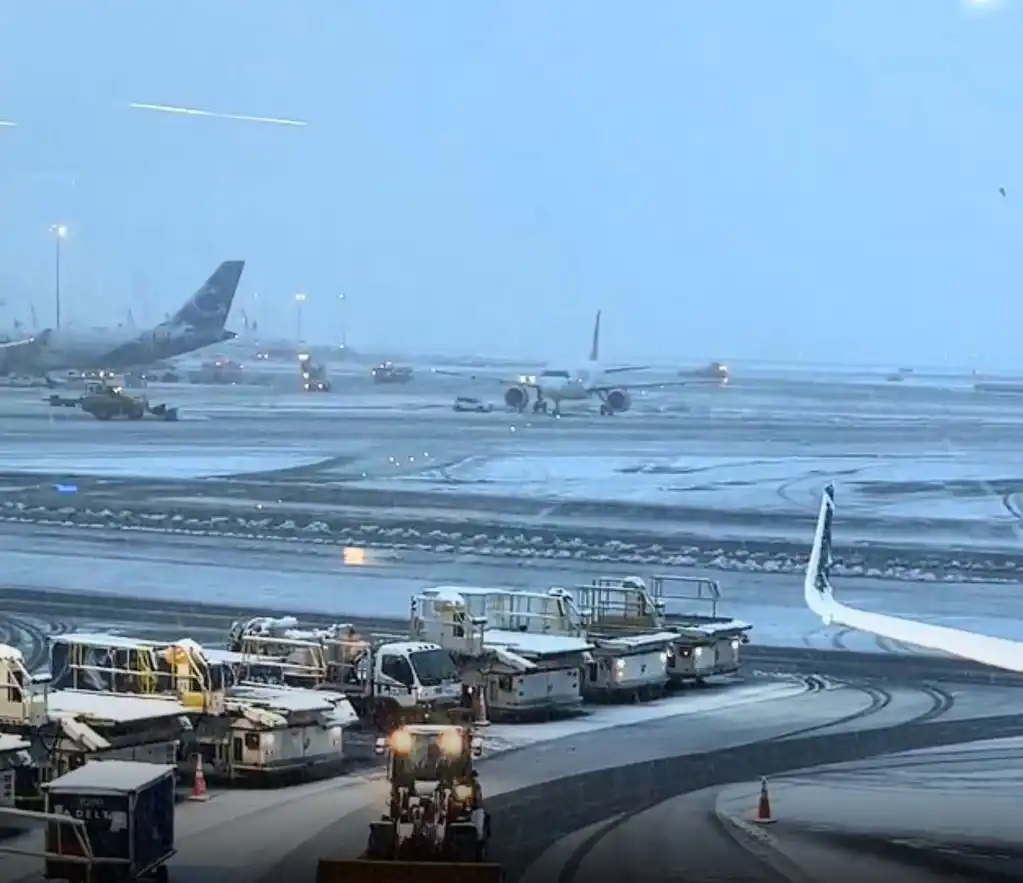
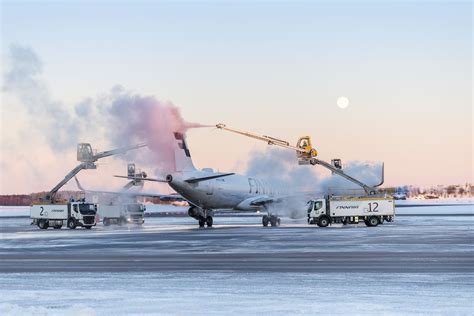
According to Delta’s statement, “Winter weather conditions impacting taxiways at JFK contributed to flight delays Sunday evening. Safety is always our top priority, and we appreciate our customers’ patience during this period and apologize for the delay in their travels.”
The sentiment offered little comfort to exhausted passengers, many of whom were trapped in their seats with minimal communication from the crew, no access to restrooms beyond what the aircraft could offer, and a view of the terminal tantalizingly close but inaccessible.
The Domino Effect: Return Flight Delayed, Too
The delays didn’t just affect passengers arriving in New York. The return leg of the journey, DL667, was scheduled to depart JFK at 7:25 PM. But due to the massive backlog on the ground, the same aircraft (registration N193DN) was only able to depart at 10:28 PM, marking a three-hour delay for passengers headed westbound.
That flight eventually arrived in San Francisco at 1:06 AM, two hours past its scheduled arrival. A double blow for Delta, whose crews and aircraft rotations were left in disarray, and a frustrating disruption for travelers who had planned evening arrivals.
A Glimpse Into the Cracks of the System
While this instance was particularly egregious, Flight DL405 was far from alone. The same day, Delta’s Flight DL5052 from Charlotte (CLT)—which was already three hours late—was forced to taxi for more than three additional hours before reaching its gate at JFK. The delays extended beyond a single terminal or airline. JFK and nearby LaGuardia Airport were both impacted by a combination of adverse weather and staffing shortages, leading to 250 canceled Delta mainline flights and over 1,000 delays on Sunday alone.
Such widespread disruption underscores the fragility of the hub-and-spoke model that underpins U.S. aviation. When a key node like JFK becomes bottlenecked, it sends shockwaves throughout the national network, affecting connections, ground crews, and aircraft scheduling from coast to coast.
Staffing Shortages Amplify the Crisis
A crucial component in this aviation logjam is the ongoing shortage of air traffic controllers, ground handling staff, and airport operations personnel, all of whom are essential to keeping major airports like JFK running smoothly. As veteran personnel retire and hiring pipelines struggle to catch up—especially post-pandemic—the system becomes more vulnerable to pressure from seasonal weather and operational anomalies.
Taxiway congestion, once an occasional nuisance, is becoming increasingly frequent at busy U.S. airports. The result: planes circling for extended periods, crews reaching their duty time limits, and passengers spending hours on parked jets without updates.
A Passenger Experience Reaching Breaking Point
The psychological toll of such delays cannot be overstated. For the Delta passengers stuck aboard DL405, the initial frustration of a late arrival evolved into disbelief, then anger. Social media lit up with complaints, photos, and anecdotal accounts of passengers fuming as the plane sat immobile.
Reports suggest there was minimal communication from the cockpit, and some passengers described the situation as feeling “trapped in a steel tube”, mere minutes from their final destination. The irony of having flown 2,586 miles only to be stalled within view of the terminal was not lost on anyone.
Weather vs. Preparedness: Who’s Responsible?
While Delta and the Port Authority of New York and New Jersey were quick to blame “adverse winter weather conditions,” critics argue that airlines and airport operators have had ample time to prepare for such scenarios. Winter weather is an annual certainty, especially in New York, and proactive staffing and operations planning are supposed to mitigate the fallout.
Aviation analysts point out that the FAA’s ground delay programs can sometimes be inconsistently applied, and JFK’s infrastructure, while robust in theory, is showing signs of strain as flight volumes rebound post-pandemic.
What Needs to Change?
The JFK taxi nightmare that stranded Delta passengers isn’t just an isolated incident—it’s a symptom of deeper vulnerabilities in the nation’s air travel infrastructure. Experts suggest a number of reforms could help avoid similar crises:
- Staffing Investments: Airports must recruit, train, and retain adequate ground personnel and air traffic control staff.
- Infrastructure Upgrades: Expanding and optimizing taxiway layouts could prevent choke points.
- Real-Time Communication Improvements: Passengers deserve clearer updates during extended delays.
- Operational Resilience: Airlines should develop robust contingency plans, especially for hub operations in known weather-prone regions.
Conclusion: A Mile Too Far
The saga of Flight DL405 is more than a quirky travel anecdote—it’s a cautionary tale of how even the best-laid airline schedules can unravel in minutes when infrastructure, weather, and staffing collide. As the aviation industry gears up for even busier travel seasons ahead, the lessons from this taxing taxi need to be taken seriously.
If the U.S. aviation ecosystem hopes to maintain trust with its passengers, proactive investment, better preparedness, and operational transparency must become the new standard. Until then, travelers may continue to face the disorienting possibility that the longest leg of their journey could happen after the wheels touch down.