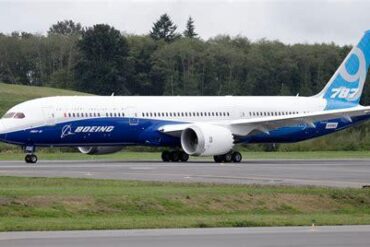
The Boeing 787 Dreamliner was once hailed as a revolutionary breakthrough in commercial aviation. Touted for its extensive use of carbon-fiber composites, energy efficiency, and passenger comfort, it quickly became the poster child for modern aerospace engineering. Yet behind the polished exterior lies a cautionary tale of what happens when outsourcing surpasses oversight.
When Boeing launched the 787 program, it aimed to create the most advanced aircraft ever flown. To reduce development costs and time to market, the company pursued an unprecedented outsourcing strategy. Major structural components and advanced systems were subcontracted to more than 50 international suppliers. The plan was bold, efficient in theory — and deeply flawed in execution.
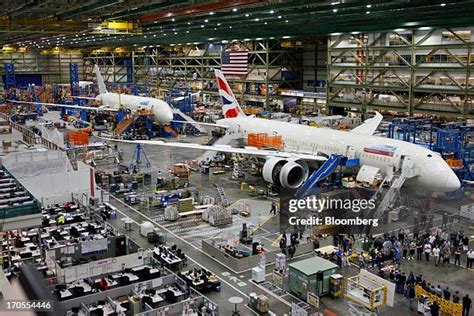
The Outsourcing Gamble That Backfired
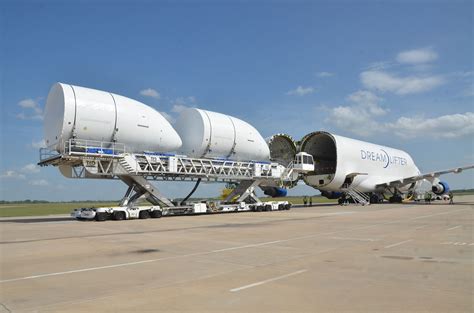
Traditionally, Boeing maintained a vertically integrated approach, handling the majority of manufacturing and assembly in-house, primarily at its Everett, Washington facility. However, the 787 marked a departure from this model. Large sections of the aircraft — including the fuselage, wings, and electronics — were to be built overseas and shipped to final assembly lines in the U.S.
Suppliers in Japan, Italy, and other regions were tasked with not just manufacturing, but also design and systems integration. Boeing envisioned a streamlined process, but instead encountered a fragmented production ecosystem plagued by communication failures and misaligned standards. The decentralized structure severely hindered oversight. Engineers across continents lacked cohesive coordination, and quality control slipped through the cracks.
In many cases, Boeing ended up acquiring struggling suppliers just to regain control. Companies such as Vought Aircraft Industries and Global Aeronautica — both pivotal to fuselage production — were bought out by Boeing after missing deadlines and producing defective components. These delays pushed the Dreamliner’s maiden flight from 2007 to late 2009, costing the company billions.
Composite Complexity and Technological Risks
The 787 was the first commercial airliner to feature a composite airframe — about 50% by weight and 80% by volume. This radical use of carbon-fiber reinforced plastic (CFRP) allowed for increased fuel efficiency, reduced weight, and better corrosion resistance. However, it also introduced engineering challenges that Boeing and its global partners weren’t fully prepared to handle.
The use of lithium-ion batteries — another pioneering choice — led to thermal runaway incidents and the entire fleet being grounded in 2013. Investigations revealed that the battery systems were not sufficiently tested under real-world conditions. Compounding the issue, Boeing discovered fuselage panels had been improperly joined, requiring costly rework and drawing regulatory scrutiny from aviation authorities.
FAA Investigations and Supplier Breakdown
The Federal Aviation Administration (FAA) has since identified repeated issues stemming from Boeing’s reliance on third-party suppliers. The following high-profile incidents underscore the fragility of the production model:
- Leonardo (Italy): Subcontractors were found to have delivered non-compliant titanium and aluminum alloys, raising serious long-term safety concerns.
- Mitsubishi Heavy Industries (Japan): Changes in the manufacturing process resulted in hairline wing cracks in nearly 40 aircraft.
- Spirit AeroSystems (USA): Incorrect analysis of the forward pressure bulkhead forced Boeing to halt deliveries in 2023.
These failures not only disrupted production but also triggered a wave of FAA oversight. As of mid-2024, investigations into improperly installed fuselage fasteners prompted yet another regulatory intervention. Boeing has since had to limit production rates and submit to more stringent inspections.
The Quality Control Collapse
Boeing’s loss of control over its own supply chain logistics created a domino effect. Internal teams could not adequately monitor parts arriving from abroad, nor ensure consistency in technical documentation. Engineers were often left troubleshooting integration problems caused thousands of miles away.
Crucially, retroactive testing revealed that in some cases, supplier quality certifications were falsified or unreliable. Improper seat fittings, mismatched fuselage gaps, and under-tested systems made their way into delivered aircraft. Boeing found itself facing not only technical debt but also a credibility crisis with regulators, investors, and airline customers.
Echoes in the 737 MAX Catastrophe
Boeing’s outsourcing missteps on the Dreamliner prefigured even graver issues in the 737 MAX program. The tragic crashes of Lion Air Flight 610 and Ethiopian Airlines Flight 302 — both tied to flawed MCAS software — were partly attributed to engineering functions that had been outsourced to lower-cost vendors.
The fallout included:
- Global grounding of the MAX series
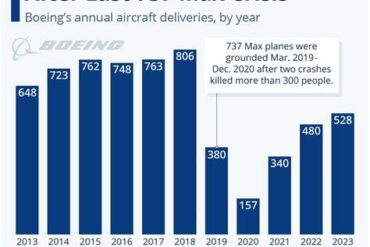
- Over $20 billion in losses
- Revocation of Boeing’s certification authority
In 2024, history repeated itself when a 737 MAX 9 suffered explosive decompression due to a poorly installed door plug — again traced to supply chain oversight failure. The incident forced a three-week grounding of the fleet and further undermined Boeing’s already damaged brand.
The Push for Vertical Reintegration
In response, Boeing has begun pulling back from its outsourced model. Key steps include:
- Reacquiring suppliers like Spirit AeroSystems
- Increasing production at Everett and Charleston
- Expanding in-house training and auditing
- Collaborating closely with the FAA to improve transparency
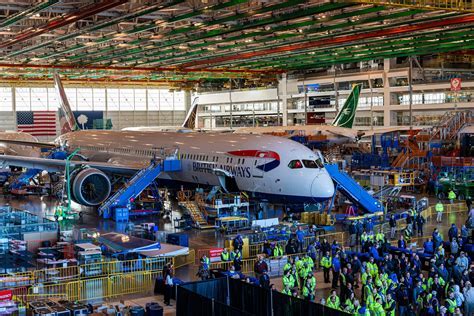
FAA-imposed caps on production rates ensure Boeing prioritizes quality over quantity. While this limits short-term revenue, it signals a serious shift toward safer, more accountable manufacturing.
Lessons From a Crisis
The Boeing 787 outsourcing debacle is a textbook example of what happens when technological ambition is disconnected from executional discipline. Here are the enduring takeaways:
- Global partnerships require centralized oversight. Communication gaps between suppliers can cripple even the most innovative programs.
- Advanced materials demand redefined quality assurance. Traditional inspection protocols fall short with composites and newer energy systems.
- Safety culture cannot be secondary. Boeing’s internal memos and congressional hearings reveal how cost-cutting and delivery schedules were prioritized above engineering red flags.
- Transparency rebuilds trust. Boeing’s recent efforts to share internal audits and open doors to regulators are slowly helping restore its tarnished reputation.
The Path Forward
As Boeing eyes the future with the upcoming 777X and a possible new narrowbody platform, the lessons from the 787 remain crucial. Executives have pledged to avoid the mistakes of fragmented development and aim for a more cohesive production model. With tighter integration, upgraded supplier contracts, and deeper involvement from regulators, Boeing is taking deliberate steps to ensure history doesn’t repeat itself.
The Dreamliner, while flawed in its rollout, still represents the cutting edge of aviation. If Boeing can harmonize innovation with execution, it may yet reclaim its role as a beacon of engineering excellence. The journey forward will demand not only new aircraft but a new mindset — one where safety, transparency, and oversight are built into every bolt, battery, and beam.