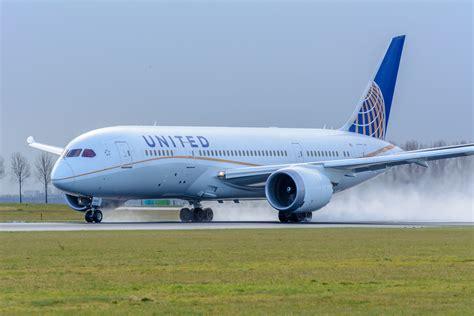
United Airlines is facing one of the most significant fleet management challenges in its modern history. A growing number of aging Boeing 777-200 aircraft have been sidelined due to ongoing Pratt & Whitney engine component shortages, forcing the airline to rapidly adapt its long-haul operations. Yet rather than triggering widespread cancellations or network reductions, the disruption has instead highlighted the remarkable resilience of United’s long-term fleet strategy.
The reason is simple: United possesses the world’s largest and most diversified Boeing 787 Dreamliner fleet.
Years of aggressive investment in next-generation widebody aircraft have now positioned the Chicago-based airline to absorb the operational shock with minimal disruption while simultaneously improving passenger experience, reducing operating costs, and expanding premium revenue opportunities.
As competitors might have struggled under similar circumstances, United’s Dreamliner armada has become the cornerstone of the carrier’s global network stability.
For United, the current 777 grounding crisis is proving that fleet modernization is not merely about replacing older aircraft—it’s about building strategic resilience.
After years of steady fleet expansion, including throughout the pandemic era, United now operates one of the largest widebody fleets in commercial aviation. This forward-thinking approach is paying substantial dividends as maintenance issues increasingly affect legacy aircraft.
The Boeing 777 Grounding Challenge Facing United Airlines
United’s older Boeing 777-200 fleet has become increasingly vulnerable to maintenance disruptions linked to Pratt & Whitney engine component availability. Out of the airline’s fleet of 52 Boeing 777-200 aircraft, at least 14 examples have already entered long-term storage facilities, including the major aircraft storage center in Victorville, California.
For most airlines, losing a substantial portion of a long-haul fleet would create immediate operational turmoil. Route suspensions, reduced frequencies, and significant revenue losses would almost certainly follow.
United, however, has largely avoided these outcomes.
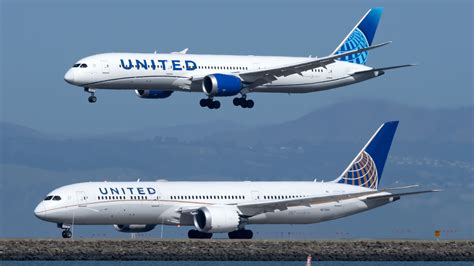
The airline’s extensive fleet depth has allowed management to redeploy existing aircraft across the network while maintaining service continuity on critical international routes. Instead of cancelling flights, United has effectively substituted grounded 777 capacity with Boeing 787 Dreamliners.
This capability has preserved schedule reliability while protecting valuable market share across transatlantic, transpacific, and premium leisure markets.
The importance of uninterrupted service cannot be overstated. Long-haul international routes represent some of the airline’s highest-margin operations, particularly those serving business travelers and premium leisure passengers. Preserving these routes safeguards both revenue streams and customer loyalty.
With reported revenues already reaching $14.6 billion in 2026 and premium cabin income continuing to rise year-over-year, maintaining network integrity remains central to United’s financial performance.
Why The Boeing 787 Dreamliner Is Perfect For Fleet Replacement
United’s ability to seamlessly replace grounded 777s stems from years of operating every variant within the Dreamliner family.
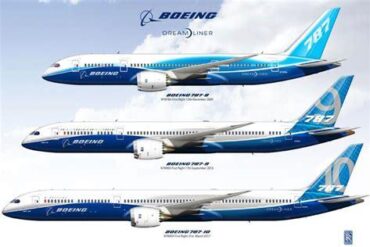
The carrier currently operates all three versions of the aircraft:
- 12 Boeing 787-8s
- 54 Boeing 787-9s
- 21 Boeing 787-10s
This diverse fleet provides exceptional operational flexibility.
Different variants can be assigned according to route demand, distance requirements, and seasonal fluctuations. The smaller 787-8 excels on thinner long-haul routes, while the 787-9 offers outstanding range capabilities. The larger 787-10 delivers increased passenger capacity on high-demand sectors.
Because pilots, maintenance personnel, dispatchers, and ground staff are already extensively trained across the Dreamliner family, aircraft substitutions can occur with relative ease.
Operationally, this creates what aviation planners often describe as a “plug-and-play” fleet replacement strategy.
Rather than introducing a completely new aircraft type during a crisis, United simply shifts capacity within an already mature fleet ecosystem.
Equally important, the airline continues receiving approximately 20 new Boeing 787-9 aircraft throughout 2026, significantly expanding available capacity precisely when additional widebody lift is needed.
Fleet Modernization Arrived At Exactly The Right Time
Timing has proven crucial.
United began aggressively investing in Dreamliners years before the current maintenance challenges emerged. At the time, the strategy appeared primarily focused on fuel efficiency, environmental performance, and passenger comfort.
Today, those investments are delivering a far broader strategic advantage.
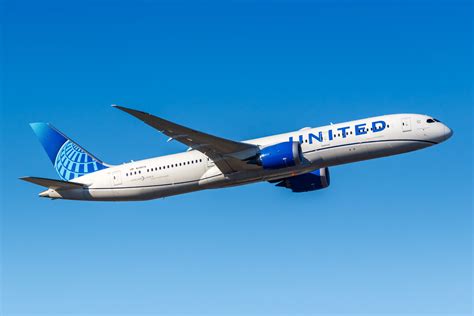
The carrier now operates more than 80 in-service Dreamliners, giving executives enormous flexibility when reallocating aircraft among international destinations.
Popular overseas markets including:
- Honolulu
- Maui
- Athens
- Amsterdam
- Barcelona
- Munich
are increasingly being served by Dreamliners featuring United’s latest premium-heavy interiors.
Ultra-long-haul routes such as San Francisco-Singapore and San Francisco-Sydney also benefit significantly from expanded 787 deployment.
These missions perfectly match the Dreamliner’s design philosophy.
The aircraft was engineered specifically for long-distance, point-to-point operations, allowing airlines to bypass congested hubs and directly connect distant city pairs profitably.
As older 777s become unavailable, the Dreamliner is not simply replacing capacity—it is often improving the economics of the route.
The Economics Behind The Dreamliner’s Success
The Boeing 787’s commercial appeal extends far beyond operational flexibility.
Constructed extensively from carbon fiber reinforced composites, the Dreamliner delivers dramatic efficiency gains compared with previous-generation widebody aircraft.
Industry estimates suggest the aircraft consumes approximately 20% to 25% less fuel per seat than many aircraft it replaces, including older Boeing 767s and early Boeing 777 variants.
Fuel remains one of the largest expenses for any airline.
Consequently, even modest improvements in fuel burn can translate into hundreds of millions of dollars in annual savings.
The Dreamliner’s advanced architecture also reduces maintenance requirements.
Unlike traditional aluminum aircraft, composite structures experience less corrosion and fatigue. Advanced onboard monitoring systems further improve reliability while reducing unscheduled maintenance events.
These advantages lower the aircraft’s overall cost of ownership.
For United, this means routes can remain profitable even with lower passenger loads, reducing financial risk while improving network flexibility.
During periods of economic uncertainty or fluctuating travel demand, such efficiency becomes enormously valuable.
Premium Cabins Are Driving United’s Profit Growth
The current aviation marketplace has shifted dramatically since the pandemic.
Passengers increasingly demonstrate a willingness to spend more for enhanced comfort, privacy, and premium experiences.
United has recognized this trend and responded aggressively.
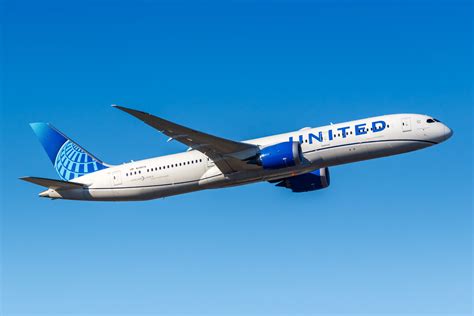
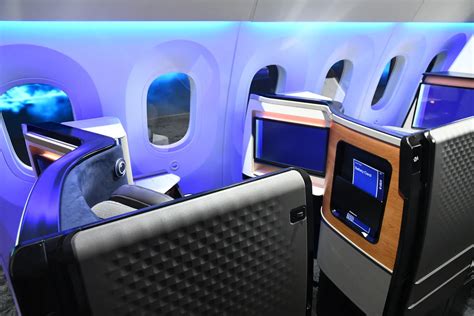
The airline’s newest Dreamliners feature its highly anticipated “United Elevated” interior concept, sometimes informally referred to as Polaris 2.0.
Rather than maximizing economy seating density, United has chosen to heavily premiumize its widebody fleet.
The latest Boeing 787-9 configuration includes an impressive 99 premium seats, consisting of:
- 64 Polaris business class suites
- Eight Polaris Studio suites
- 35 Premium Plus seats
This represents a significant departure from traditional airline seating philosophies, where maximizing total passenger count often took precedence.
Premium passengers generate disproportionately higher revenues relative to the cabin space they occupy. Although these seats consume more floor area, they produce substantially stronger margins.
As international travel demand continues rebounding, premium traffic has emerged as one of United’s most important profit drivers.
Reported first-quarter profits reached approximately $699 million, representing an impressive increase compared with previous years.
A significant portion of that growth stems directly from premium international travel.
The Dreamliner fleet therefore supports United not only operationally, but financially as well.
Passenger Experience Is Also Improving
From the customer’s perspective, the increased deployment of Dreamliners represents an upgrade rather than a compromise.
The Boeing 787 introduced several passenger-focused innovations specifically designed to reduce fatigue during long-haul flights.
These include:
- Larger electronically dimmable windows
- Higher cabin humidity levels
- Lower cabin altitude pressure
- Improved air filtration systems
- Dynamic LED mood lighting
- Reduced cabin noise
Collectively, these features significantly enhance passenger comfort, particularly on flights exceeding ten hours.
Business travelers arriving refreshed after ultra-long-haul journeys are more likely to remain loyal customers, especially when combined with upgraded premium cabins.
The Dreamliner has therefore become an important competitive differentiator for United in increasingly crowded international markets.
The Boeing 777 Is Gradually Passing The Torch
The Boeing 777 has long served as one of United’s most important widebody aircraft.
For decades, the type formed the backbone of the airline’s intercontinental operations, carrying millions of passengers across the Atlantic and Pacific.
However, aviation economics continue evolving.
Older aircraft inevitably face increasing maintenance costs, declining fuel efficiency, and greater exposure to supply chain disruptions.
The current Pratt & Whitney parts shortage has accelerated a transition that was arguably already underway.
While not all Boeing 777 variants are immediately disappearing from United’s fleet, the balance of long-haul flying is steadily shifting toward the Dreamliner family.
The process represents a broader industry trend.
Airlines worldwide increasingly favor modern twin-engine aircraft capable of delivering lower operating costs, improved passenger experiences, and greater scheduling flexibility.
The Dreamliner embodies each of these characteristics.
United’s Massive Fleet Gives It A Unique Competitive Advantage
As of 2026, United operates approximately 1,108 mainline aircraft, making it the world’s largest airline fleet by active aircraft count.
This scale delivers enormous strategic advantages.
Large fleets create operational redundancy. Aircraft can be rotated, substituted, or reassigned far more easily than at smaller airlines with limited spare capacity.
United’s extensive Dreamliner backlog further reinforces this advantage.
The airline currently has more than 140 additional Boeing 787s on order, including future Boeing 787-10 deliveries expected later this decade.
Such commitments demonstrate extraordinary confidence in both the aircraft and future premium travel demand.
More importantly, they ensure United remains insulated against future operational shocks.
Whether facing maintenance challenges, fluctuating demand patterns, or unforeseen disruptions, fleet depth provides critical flexibility.
The current Boeing 777 grounding crisis has therefore become a powerful validation of United’s long-term strategic planning.
Rather than forcing painful network reductions, the disruption has showcased how years of investment in the Boeing 787 Dreamliner created one of the most resilient long-haul fleets in global aviation.
For United Airlines, the Dreamliner is no longer simply a next-generation aircraft.
It has become the airline’s most important operational insurance policy—and the foundation of its future global growth.