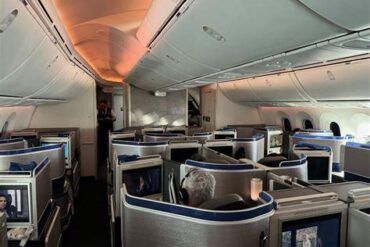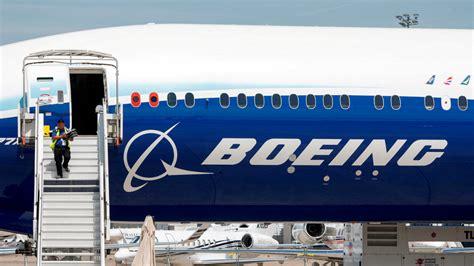
The Boeing 787 Dreamliner was conceived as a clean break from the past, a commercial aircraft that would reset expectations for efficiency, passenger comfort, and global collaboration. Its sleek composite fuselage and whisper-quiet engines promised airlines lower operating costs and travelers a gentler way to cross oceans. On paper, it looked like the future arriving early. In practice, the Dreamliner became a cautionary tale about what happens when ambition, technology, and an overextended supply chain collide.
For decades, Boeing had thrived on tight vertical integration. Design, engineering, and manufacturing lived close together, physically and culturally, especially around the Everett factory in Washington state. Engineers could walk across a hangar to solve a problem face to face. That proximity mattered. When Boeing decided to upend this model for the 787, it was not merely changing logistics; it was rewriting the social contract of how airplanes get built.
The decision to outsource large portions of design and production was driven by competitive pressure and financial logic. Airbus was gaining ground, development costs were rising, and airlines wanted fuel-efficient aircraft fast. By pushing major sections of the airplane onto partners around the world, Boeing hoped to cut costs, reduce its own capital investment, and speed up time to market. Risk, at least on spreadsheets, would be shared. Reality had other ideas.
A Radical Break From Boeing’s Manufacturing DNA
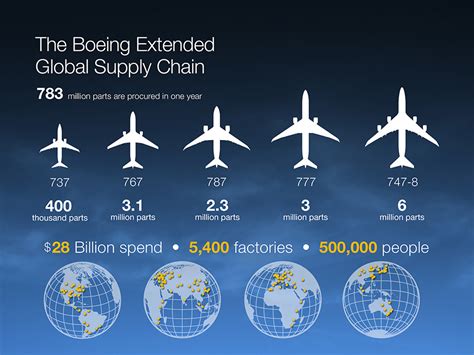
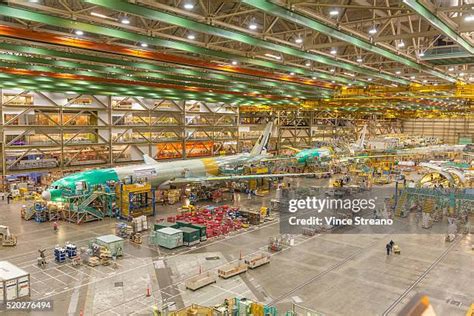
Historically, Boeing’s strength came from deep internal mastery. Wings, fuselages, systems integration, and final assembly were coordinated under one corporate roof. The 787 program shattered that tradition. More than 50 suppliers across multiple continents were tasked with delivering not parts, but large, fully assembled sections of the aircraft. Japanese firms built wings, Italian partners produced fuselage barrels, and other suppliers handled everything from wiring to avionics.
This decentralization sounded elegant: modules would arrive at Boeing’s facilities almost ready to fly, reducing final assembly to something closer to snapping together a very expensive Lego set. In reality, the pieces rarely fit as smoothly as promised. Suppliers faced steep learning curves, especially with advanced composites, and Boeing discovered too late that delegating work did not mean delegating responsibility.
Communication gaps multiplied. Engineering changes rippled slowly through the network, sometimes arriving after parts had already been built. Different suppliers interpreted specifications in subtly different ways, leading to mismatches that only became visible when components met on the factory floor. Boeing’s own engineers found themselves acting less like designers and more like emergency troubleshooters.
Speed Promised, Time Lost
The Dreamliner’s development schedule quickly unraveled. What was supposed to be a rapid path to first flight stretched into years of delays. Some suppliers underestimated the complexity of their assignments; others struggled with quality control or cash flow. Boeing, having ceded too much oversight, lacked real-time visibility into these problems until they became crises.
To keep the program alive, Boeing took extraordinary measures. Engineers were flown around the world to help suppliers fix issues on site. In some cases, incomplete sections were shipped to the United States so Boeing could finish work that partners could not. The company ultimately bought out key suppliers such as Vought and Global Aeronautica, reversing its original plan just to regain control of critical components.
The financial impact was brutal. Billions of dollars in cost overruns erased much of the anticipated savings from outsourcing. The Dreamliner eventually entered service, but its delayed debut dented Boeing’s credibility with airlines and investors alike. What was meant to be a triumph of efficiency became an object lesson in how fragile global coordination can be.
Innovation That Raised the Stakes
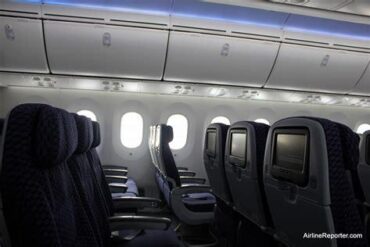
The 787 was not merely a logistical experiment; it was a technological leap. Roughly half of its structure by weight, and most of it by volume, is made from carbon fiber reinforced plastic. This allowed higher cabin humidity, lower pressurization altitude, and improved fuel efficiency. Passengers felt the difference, and airlines appreciated the reduced fuel burn.
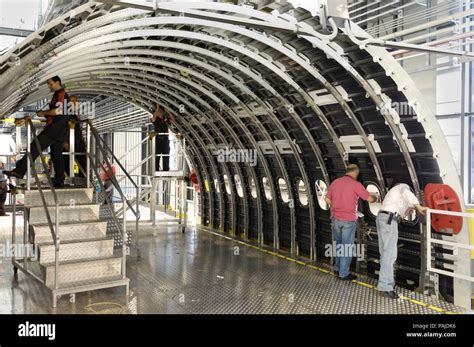
Yet composites demanded new manufacturing discipline. Unlike aluminum, carbon fiber does not bend before it breaks in obvious ways. Tiny gaps, misaligned fasteners, or improperly cured sections can hide beneath smooth surfaces. When production is spread across dozens of factories, maintaining consistent standards becomes exponentially harder.
The aircraft’s advanced systems added another layer of complexity. The decision to use lithium-ion batteries, a first for a commercial airliner of this size, reflected Boeing’s push toward an “all-electric” architecture. When battery fires grounded the global 787 fleet in 2013, the spotlight turned harsh. While the battery issue was eventually resolved, it reinforced a growing perception that innovation had outpaced oversight.
Quality Control Slipping Through the Cracks
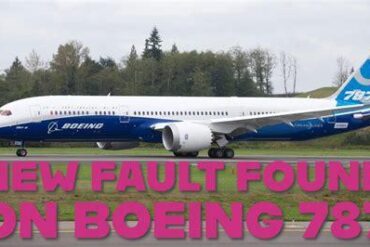
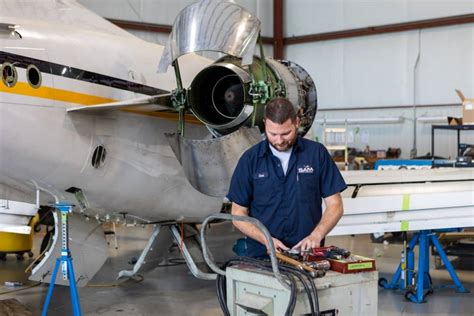
As deliveries ramped up, quality concerns refused to fade. Inspectors discovered improperly joined fuselage sections, inconsistent gaps, and manufacturing defects that required rework. Some problems traced directly back to supplier processes that deviated from specifications. Others stemmed from inadequate documentation or oversight failures that allowed errors to propagate unnoticed.
The Federal Aviation Administration responded by tightening scrutiny. Boeing’s authority to self-certify aspects of its production was curtailed, a rare and symbolic move that signaled eroding trust. Delivery pauses became frequent as issues were investigated and corrected. For airlines awaiting new aircraft, uncertainty replaced excitement.
Specific supplier-related problems underscored the risks of fragmentation. Defective materials, altered manufacturing processes, and analytical errors each pointed to a system where accountability was diffuse. Boeing’s leadership acknowledged that quality reports from suppliers could no longer be taken at face value, prompting retroactive inspections and additional testing that further slowed deliveries.
Patterns That Reappeared Elsewhere
The troubles surrounding the 787 did not exist in isolation. Observers later noticed unsettling parallels with the 737 MAX program. While the aircraft were vastly different, both programs revealed a corporate environment under intense cost and schedule pressure. In the case of the MAX, software design decisions and outsourced development contributed to catastrophic failures that claimed hundreds of lives.
Even after the MAX returned to service, quality lapses persisted. The 2024 incident involving a door plug failure on a 737 MAX 9 echoed earlier warnings about manufacturing discipline and oversight. Once again, the FAA stepped in with groundings and inspections, and once again Boeing faced global scrutiny.
These recurring issues suggested deeper cultural challenges. Outsourcing itself was not the villain; aerospace has always relied on suppliers. The problem lay in how responsibility was distributed and how warnings were handled. When schedules dominate conversations and engineers feel sidelined, small problems can grow into existential threats.
The Long Road Back to Control
In response to mounting pressure, Boeing began retracing its steps. Key suppliers were brought back under closer control, and in some cases fully reintegrated. Internal audits expanded, production rates were capped, and training programs emphasized quality over speed. The company also increased transparency with regulators, acknowledging that trust had to be rebuilt deliberately.
Airlines adjusted their own behavior. Some now conduct independent inspections before accepting new aircraft, a sign that confidence is returning slowly and cautiously. Investors, too, have recalibrated expectations, understanding that stability matters more than aggressive ramp-ups.
Lessons Written in Carbon Fiber
The Dreamliner story offers hard-earned lessons for modern manufacturing. Extreme outsourcing can magnify risks when oversight mechanisms are weak. Cutting-edge materials require equally advanced quality control systems, especially when production is geographically dispersed. Most importantly, corporate culture must empower engineers to raise concerns without fear of delaying a program.
Boeing’s experience also highlights the tension between innovation and execution. Bold ideas are essential in aerospace, but they demand humility and patience in implementation. The 787 eventually delivered many of its promised benefits, yet the path was far costlier and more painful than anticipated.
Looking ahead, future programs such as the 777X are being developed under a more cautious philosophy. Supplier roles are more tightly managed, certification processes more conservative, and internal accountability more explicit. The Dreamliner, once a symbol of disruption gone wrong, may still serve a redemptive role by shaping a safer, more resilient approach to building the next generation of aircraft.
In the end, the problem Boeing ran into after outsourcing 787 production was not a single flaw or decision. It was a cascade, triggered by the belief that complexity could be neatly parceled out without losing coherence. Airplanes, it turns out, resist that kind of simplification. They demand integration, trust, and relentless attention to detail. When those elements drift apart, even the most advanced machine in the sky can struggle to leave the ground.