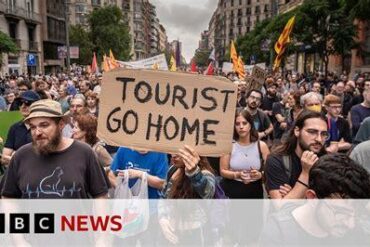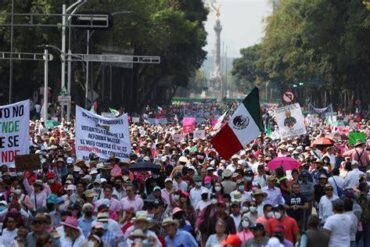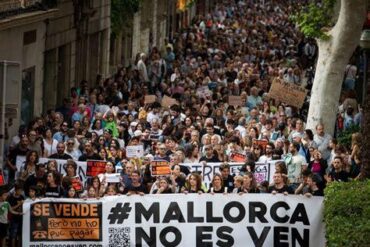
As Mexico City grapples with the repercussions of unchecked tourism, recent events have thrust the city into the spotlight, revealing the underlying tensions between locals and visitors. The Condesa and Roma districts, renowned for their vibrant cultural scenes and upscale establishments, became the epicenter of violent anti-tourism protests. Initially organized as a peaceful demonstration against mass tourism, the protest rapidly escalated into chaos, exposing the frustrations of residents who feel marginalized in their own neighborhoods.
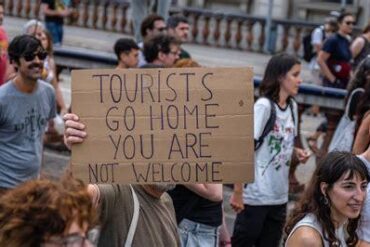
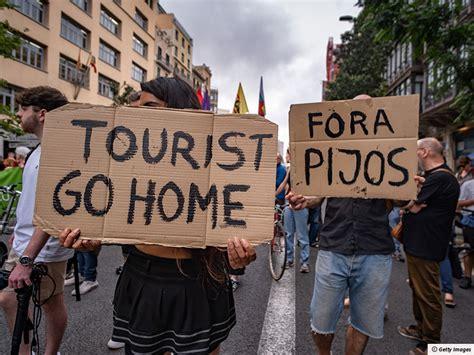
On a seemingly ordinary Friday, masked demonstrators unleashed their discontent through acts of vandalism. Upscale stores were targeted; windows shattered as protesters hurled rocks, leaving behind a trail of destruction. Graffiti marred the storefronts with messages like “Get out of Mexico,” articulating the anger of those who believe that foreign visitors are encroaching on their homes and way of life. The protesters, wielding signs reading “Gringos, stop stealing our home,” voiced their demands for stricter regulations on tourism and housing laws to protect local communities from the overwhelming influx of visitors.
The situation intensified as the protesters marched towards the US Embassy, chanting their grievances while making their way through the city’s metro system. The sound of sirens echoed across the city center as additional police forces were deployed to manage the growing unrest. What began as a call for awareness regarding the adverse effects of mass tourism transformed into a confrontation, showcasing the deep-seated frustrations of Mexico City’s residents.
The roots of this turmoil trace back to the dramatic transformation of Mexico City in recent years. Since the arrival of digital nomads in 2020—many fleeing the COVID-19 lockdowns in the United States—the city has experienced a surge in its attractiveness to international residents. This influx has not come without consequences. Long-time residents, particularly in neighborhoods like Condesa and Roma, have witnessed their once-affordable homes become prohibitively expensive due to the rising demand for short-term rentals. Platforms like Airbnb have exacerbated the situation, pushing local families out of their homes and altering the very fabric of these beloved communities.
The protesters articulated their concerns clearly: their struggle is not rooted in xenophobia, but rather in the overwhelming pressure that tourism places on local resources. As rents continue to skyrocket, many locals find themselves unable to keep pace with the cost of living, leading to a sense of alienation and frustration. They lament the loss of their neighborhoods’ authenticity, which have been historically characterized by local charm, intimate cafes, and cultural significance. The protests serve as a clarion call for residents to protect their cultural identity and ensure that their homes remain accessible.
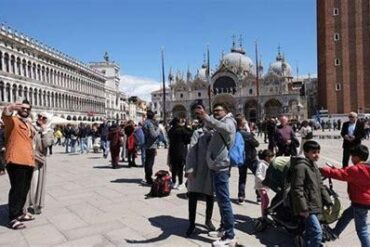
This eruption of dissent in Mexico City mirrors similar movements across the globe, where cities like Barcelona, Madrid, Paris, and Rome have also witnessed protests against mass tourism. Residents in these urban centers are increasingly vocal about the negative impacts of gentrification, rising rent prices, and the erosion of local culture. The common thread among these protests is a demand for stronger regulation of tourism, which many believe is essential for protecting the interests of local residents.
The events in Mexico City underscore the urgent need for sustainable tourism policies that consider both the economic benefits of tourism and the welfare of residents. While tourism undeniably contributes significantly to the local economy, it is imperative to recognize the adverse effects it can have on housing, infrastructure, and overall quality of life. As the city continues to attract visitors from around the world, authorities must strike a balance that preserves the character and affordability of neighborhoods while still welcoming tourists.
As we reflect on the protests in Mexico City and similar movements worldwide, it becomes clear that the challenge lies in finding solutions that benefit both residents and visitors. Cities must remain vibrant and inclusive, offering a rich cultural experience without sacrificing the needs of those who call these places home. The dialogue surrounding tourism and local community welfare is more critical than ever, and the time has come for a reevaluation of how tourism is managed in urban areas.
The escalating tensions in Mexico City serve as a poignant reminder of the consequences of unchecked tourism. With housing costs rising and residents feeling increasingly alienated from their own neighborhoods, the need for actionable change is paramount. Policymakers must engage with local communities to devise strategies that foster a harmonious coexistence between tourists and residents, ensuring that cities like Mexico City continue to thrive as inclusive spaces for all.
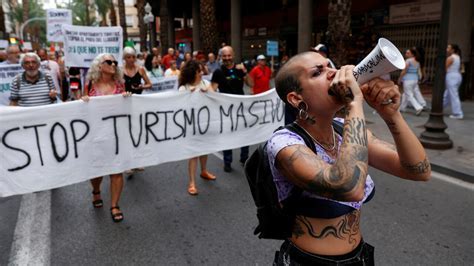
The current unrest is not merely a local issue; it resonates globally, reflecting a broader movement that seeks to reclaim urban spaces for residents and ensure that the essence of these neighborhoods remains intact. As cities evolve in response to globalization and tourism, the challenge will be to implement policies that safeguard local identities while embracing the economic opportunities presented by visitors. In doing so, urban centers can cultivate environments that celebrate their rich heritage while providing a welcoming atmosphere for travelers.