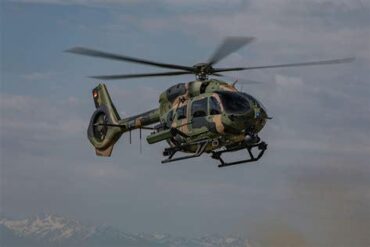
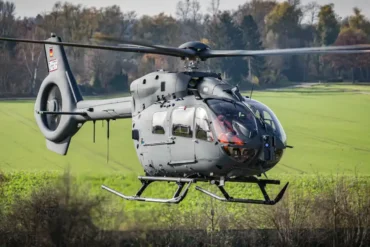
Cyprus has officially presented its latest acquisition in military aviation, unveiling four newly-delivered Airbus H145M helicopters at its primary air base in Paphos. Described by defense officials as among the most advanced rotorcraft in the world, these helicopters mark a significant leap forward in the modernization of the Cypriot National Guard’s capabilities. Backed by a proven international track record, the H145M platform is set to replace aging Soviet-era equipment and integrate Cyprus into the top tier of European military aviation.
The delivery of these helicopters forms part of Cyprus’s broader strategy to align its defense infrastructure with modern NATO standards, despite the island’s non-membership in the alliance. The National Guard aims to deepen interoperability with friendly forces through joint operations, enhanced mobility, and sophisticated real-time battlefield integration.
Airbus H145M: A Versatile Battlefield Asset
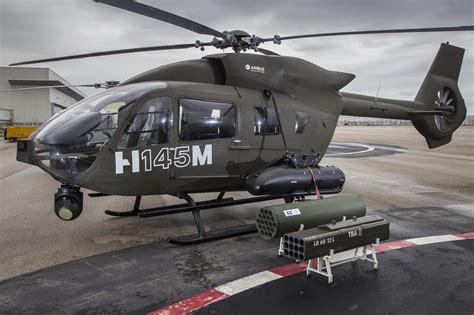
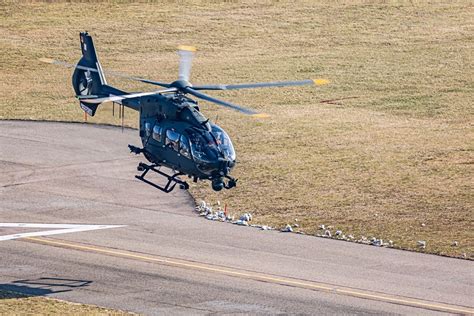
The Airbus H145M is a multi-role military helicopter with a takeoff weight of 3.8 tons. It is currently in service with Germany, the United States, Hungary, Belgium, Ireland, and several other nations. With over 500 units operational worldwide, the model has collectively clocked more than 8 million flight hours, making it one of the most reliable aircraft in the light utility class.
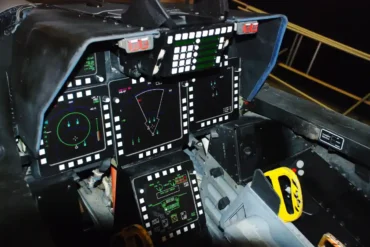
Cyprus’s version of the H145M includes advanced digital instrumentation and a comprehensive avionics suite, co-developed with Israeli firms over the past two years. This integration delivers real-time tactical awareness, reducing pilot workload and increasing mission efficiency. Cyprus Defense Minister Vassilis Palmas praised the acquisition as “a major operational advantage,” positioning the National Guard as a formidable force in Eastern Mediterranean security.
H-Force Weapons System: Pilot-Centric Firepower
Perhaps the most significant upgrade in the Cypriot H145M configuration is the inclusion of the H-Force integrated weapons suite. Unlike traditional light attack helicopters that require a dedicated weapons officer, the H145M allows the pilot to independently operate weapon systems in-flight. This innovation streamlines cockpit operations and improves rapid response time during combat scenarios.
Airbus Senior Vice President for the H145 program, Daniela Dudek, highlighted the adaptability of this system: “It’s unique what you have here. You’re even more advanced than what we currently have in Germany.”
Battlefield Networking and Interoperability
Cyprus’s new helicopters are not merely flying platforms; they are airborne command hubs. Each H145M is equipped with an integrated battle management system (BMS) designed to seamlessly communicate with ground forces, drones, and other aircraft. This level of connectivity brings Cyprus into a new era of network-centric warfare, allowing real-time mission coordination with allies during joint exercises and operations.
The BMS transforms the H145M into a strategic multiplier. In modern combat environments, where information superiority is paramount, the ability to synchronize fire and movement across domains in real time ensures that these helicopters do far more than just transport troops or conduct reconnaissance—they orchestrate the entire battlespace.
Advanced Self-Protection and Electronic Warfare Capabilities
In a region where geopolitical tensions remain high, survivability on the battlefield is crucial. The Cypriot H145Ms are outfitted with a cutting-edge electronic warfare (EW) suite capable of jamming hostile radar, identifying and neutralizing infrared-guided threats, and deploying countermeasures such as flares and chaff. These features offer robust self-protection in both conventional and asymmetric warfare scenarios.
According to Airbus, these EW systems are integrated into the aircraft’s broader avionics architecture, providing not only a defensive layer but also enabling the aircraft to operate confidently in contested or GPS-denied environments.
Cyprus’s Strategic Military Modernization
Cyprus has long been reliant on Soviet-era weaponry, including Mi-35P Hind helicopters and T-80 main battle tanks. However, as part of its evolving defense strategy, the nation has begun a systematic overhaul of its military assets. This includes the recent sale of 11 Russian-made Mi-35 attack helicopters to Serbia and a gradual pivot toward Western-made systems.
The purchase of the H145Ms is emblematic of this shift. With two more helicopters expected in the coming months and the option to expand the fleet under Airbus’s procurement framework, Cyprus is laying the groundwork for long-term strategic depth and operational readiness.
Defense Minister Palmas confirmed that the acquisition is “only one phase in a long-term roadmap to equip the National Guard with cutting-edge tools, ensuring both deterrence and partnership capacity.”
Regional Context: Security in the Eastern Mediterranean
Cyprus occupies a strategically sensitive position in the Eastern Mediterranean, a region marked by complex geopolitical rivalries. Since the 1974 Turkish invasion and subsequent division of the island, security dynamics have remained tense. Turkey continues to maintain more than 35,000 troops in the north, supporting a breakaway government recognized only by Ankara.
Given this backdrop, the modernization of the National Guard serves a dual purpose: deterring potential aggression and ensuring interoperability with allied European and regional forces. The H145M’s ability to work in concert with NATO-standard platforms ensures Cyprus can fully participate in multinational drills and coalitions, even without formal NATO membership.
Industrial Collaboration and Future Prospects
Beyond their immediate operational impact, the H145M helicopters also signal deeper industrial and technological cooperation. The avionics collaboration with Israeli defense firms suggests a growing regional defense tech partnership. Moreover, Airbus’s readiness to tailor systems specifically for Cyprus indicates a flexible procurement model that may inspire similar deals across Europe’s smaller militaries seeking modern, modular platforms.
Airbus’s Dudek underscored the helicopter’s future-readiness: “The adaptability of this platform ensures it remains relevant for decades. New technologies can be added through software and modular hardware upgrades without overhauling the airframe.”
This flexibility will be essential as combat environments evolve to include drones, hybrid warfare tactics, and multi-domain operations. With these helicopters, Cyprus is not merely catching up—it is positioning itself ahead of the curve.
Conclusion: A New Chapter for Cypriot Defense
The unveiling of the Airbus H145M fleet is more than a ceremonial milestone—it represents a strategic inflection point in Cypriot military history. With the introduction of this world-class rotorcraft, Cyprus now fields a platform more advanced than even those operated by Germany, according to Airbus.
This move enhances national defense and cements Cyprus’s role as a credible contributor to regional security. In an era where agility, precision, and integration define military success, Cyprus’s investment in the H145M stands as a bold statement of intent: to defend, to deter, and to collaborate at the highest levels of modern warfare.