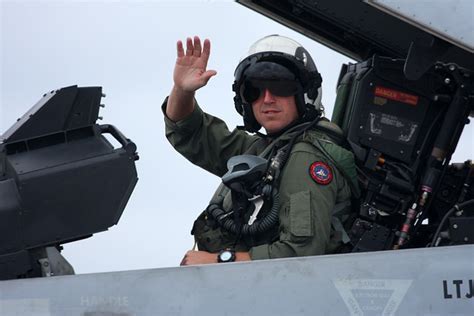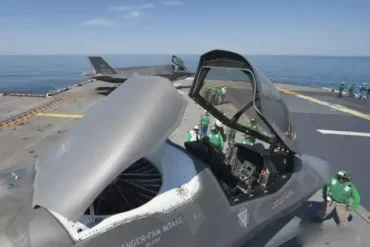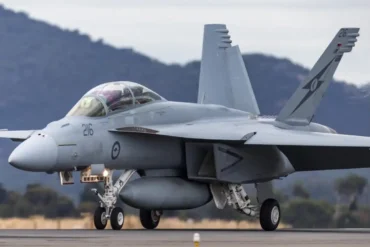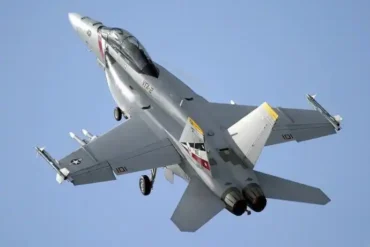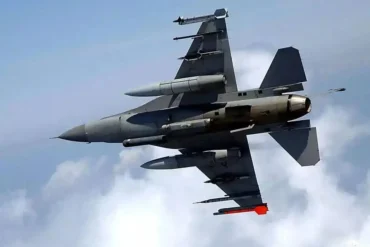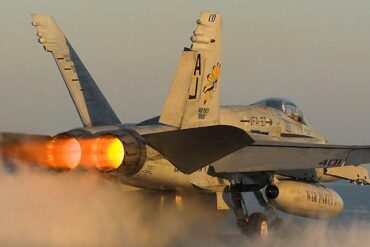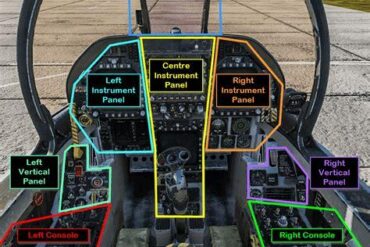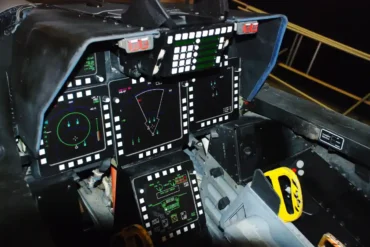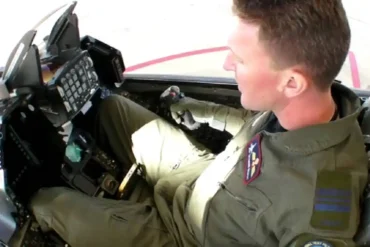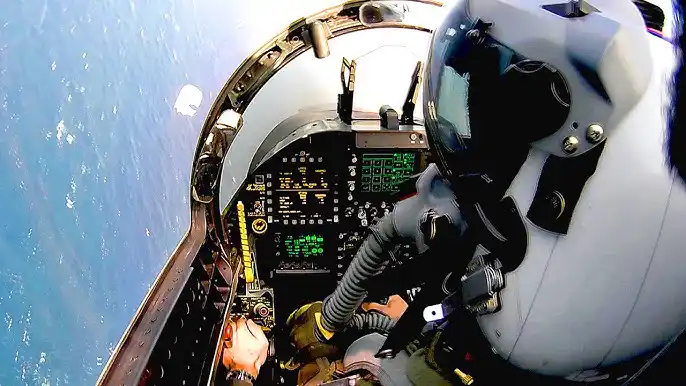
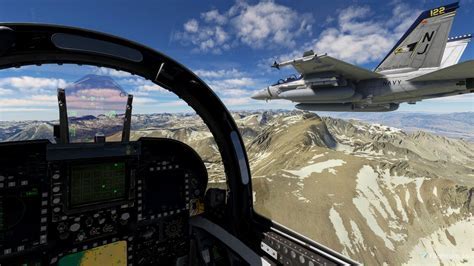
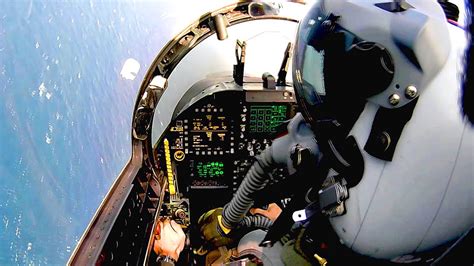
The F/A-18 Super Hornet is a premier multirole combat aircraft operated by the United States Navy and allied forces. At the heart of this formidable fighter lies its highly sophisticated cockpit, which integrates advanced avionics, mission-critical systems, and ergonomic controls to ensure superior performance in both air-to-air and air-to-ground operations. The cockpit is designed to enhance pilot situational awareness, streamline workflow, and support high-intensity combat scenarios with cutting-edge technology.
Cockpit Layout and Ergonomics
The Super Hornet cockpit comes in two configurations:
- The F/A-18E features a single-seat cockpit, allowing the pilot full control of all weapons and navigation systems.
- The F/A-18F includes a dual-seat configuration, where a Weapons Systems Officer (WSO) assists with targeting, electronic warfare, and mission coordination.
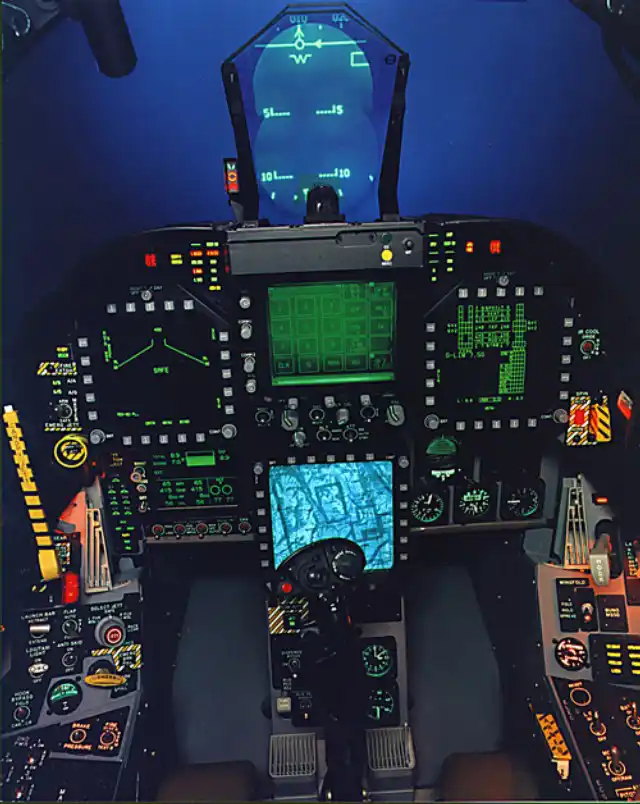
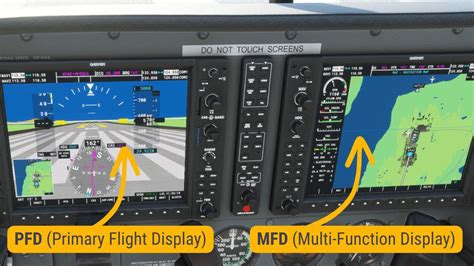
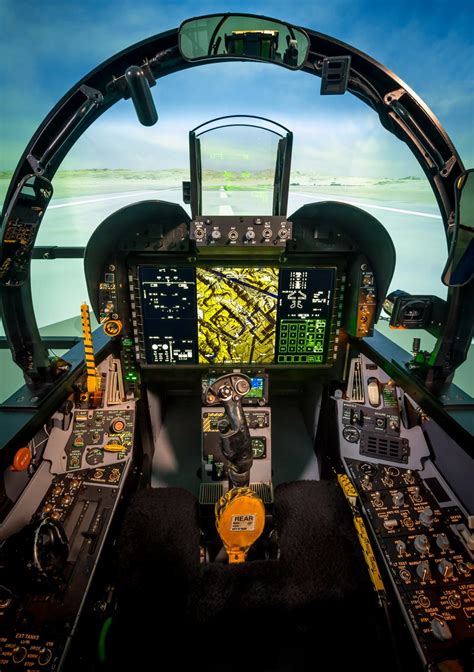
A major advancement in the Super Hornet is its digital glass cockpit, replacing traditional analog dials with three multifunction displays (MFDs) and a head-up display (HUD). These systems provide pilots with real-time flight data, weapons status, radar feeds, and navigation information.
Hands-On Throttle and Stick (HOTAS)
The cockpit integrates HOTAS (Hands-On Throttle and Stick) technology, allowing pilots to control weapons, radar, communications, and flight maneuvers without removing their hands from the throttle or control stick. This system enhances reaction speed and mission efficiency in high-stress environments, such as dogfights and evasive maneuvers.
Avionics and Systems Integration
Advanced Radar Systems
The AN/APG-79 Active Electronically Scanned Array (AESA) radar equips the Block III Super Hornet, offering:
- Superior air-to-air tracking and targeting capabilities.
- Simultaneous engagement of multiple targets.
- Improved ground-mapping and synthetic aperture radar modes for precise strike operations.
Mission Computers and Data Fusion
The digital multiplex (MUX) bus architecture in the cockpit enables seamless data sharing among various subsystems, including:
- Electronic warfare suites (e.g., ALQ-99 jamming system).
- Weapon integration with AGM-88 HARM missiles and JDAMs.
- Helmet-mounted cueing systems for targeting enemy aircraft.
Additionally, the Distributed Targeting Processor Network (DTPN) in the Block III upgrades improves network-centric warfare capabilities by integrating real-time data from AWACS, drones, and allied aircraft.
Pilot Experience and Workflow
Nuclear Enable Switch and Safety Protocols
Retired Lt. Cmdr. Alex Dietrich noted the presence of a “nuclear enable switch” under the canopy rail, demonstrating the complex yet intuitive nature of the cockpit’s security systems. This highlights the extreme responsibility and safety measures embedded within the design.
Checklist-Driven Operations
Pilots use digital checklists displayed on the MFDs for:
- Pre-flight inspections.
- Startup procedures.
- Mission-specific operational sequences.
By integrating these digital checklists, the aircraft reduces pilot workload, allowing for greater focus on mission execution.
High-G Tolerance and Pilot Comfort
To sustain pilots in high-G combat environments, the cockpit features:
- Ergonomic ejection seats that minimize pilot fatigue.
- Oxygen and environmental control systems to maintain alertness.
- Optimized stick and throttle positioning for sustained maneuverability.
Block III Super Hornet Upgrades
Large-Area Display (LAD)
A major enhancement in the Block III Super Hornet is the 10×19-inch touchscreen display, replacing older MFDs. The LAD enhances data presentation and provides customizable mission layouts.
Enhanced Survivability Systems
The Block III upgrade also integrates:
- Infrared Search and Track (IRST) System, enabling passive target detection.
- Reduced radar cross-section for increased stealth.
- Conformal fuel tanks (CFTs), extending operational range and reducing refueling dependency.
Carrier Operations and Unique Features
Carrier-Specific Landing Systems
The Integrated Launch and Recovery Television Surveillance System (ILARTS) in the cockpit provides:
- Visual feedback for precise arrested landings on aircraft carriers.
- Advanced optical guidance cues to assist in challenging sea conditions.
Wing-Fold Mechanisms for Carrier Storage
A dedicated cockpit control allows pilots to fold the aircraft’s wings, optimizing space on crowded carrier decks. This feature is crucial for naval operations, where deck space is limited.
Conclusion
The F/A-18 Super Hornet cockpit exemplifies cutting-edge avionics, pilot-centric ergonomics, and mission adaptability. With its HOTAS controls, AESA radar, LAD, and digital workflow, the cockpit enhances situational awareness, survivability, and combat effectiveness. The Block III enhancements further solidify its role as the backbone of naval air superiority.
FAQ
1. What makes the F/A-18 Super Hornet cockpit different from earlier fighter jets?
The Super Hornet cockpit integrates a digital glass cockpit, HOTAS controls, and advanced AESA radar for enhanced situational awareness and mission efficiency. The Block III version adds a large-area touchscreen display and enhanced networking capabilities.
2. How does the Super Hornet’s cockpit improve pilot survivability?
The cockpit includes IRST systems, reduced radar cross-section features, and high-G tolerance designs. Additionally, digital checklists, helmet-mounted displays, and conformal fuel tanks reduce pilot workload and improve endurance.
3. Can the Super Hornet’s cockpit operate in extreme environments?
Yes. The cockpit is designed for high-G dogfighting, carrier-based operations, and networked warfare. The oxygen systems, environmental controls, and ergonomic seat design ensure pilot endurance in extreme combat scenarios.