China has once again displayed its unparalleled prowess in drone warfare with a sweeping demonstration that merged drone coordination, artificial intelligence, loitering munitions, and laser-based countermeasures into a simulated combat exercise. This highly orchestrated event, conducted in the Inner Mongolia autonomous region, not only affirmed China’s rapid technological advances but also reinforced its position as one of the most aggressive developers of unmanned systems in the world.
The simulation — focused on the “seizure and control of critical border locations” — showcased a full-spectrum uncrewed ecosystem capable of addressing every phase of modern asymmetric conflict. According to the China Central Television (CCTV) broadcast, the war game spanned six integrated combat stages: reconnaissance, AI-assisted planning, infiltration, aerial strike, target elimination, and anti-access denial.
Full-Spectrum Battlefield Simulations Push Tactical Boundaries
The exercise revealed not only the variety of platforms China can now deploy but also how seamlessly these tools can operate together in networked warfare scenarios. Unmanned Aerial Vehicles (UAVs) of all classes participated, ranging from ISR (intelligence, surveillance, reconnaissance) drones, loitering munitions, tactical quadcopters, to uncrewed helicopters and FPV kamikaze drones.
Ground-based systems also played a key role, including mobile control stations, data link relay platforms, and a variety of anti-drone measures.
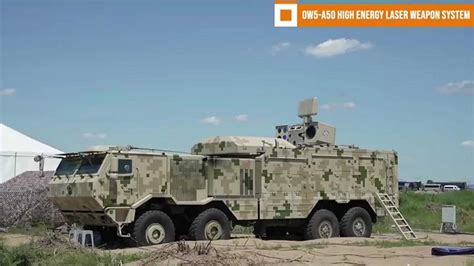
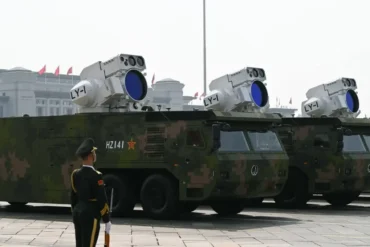
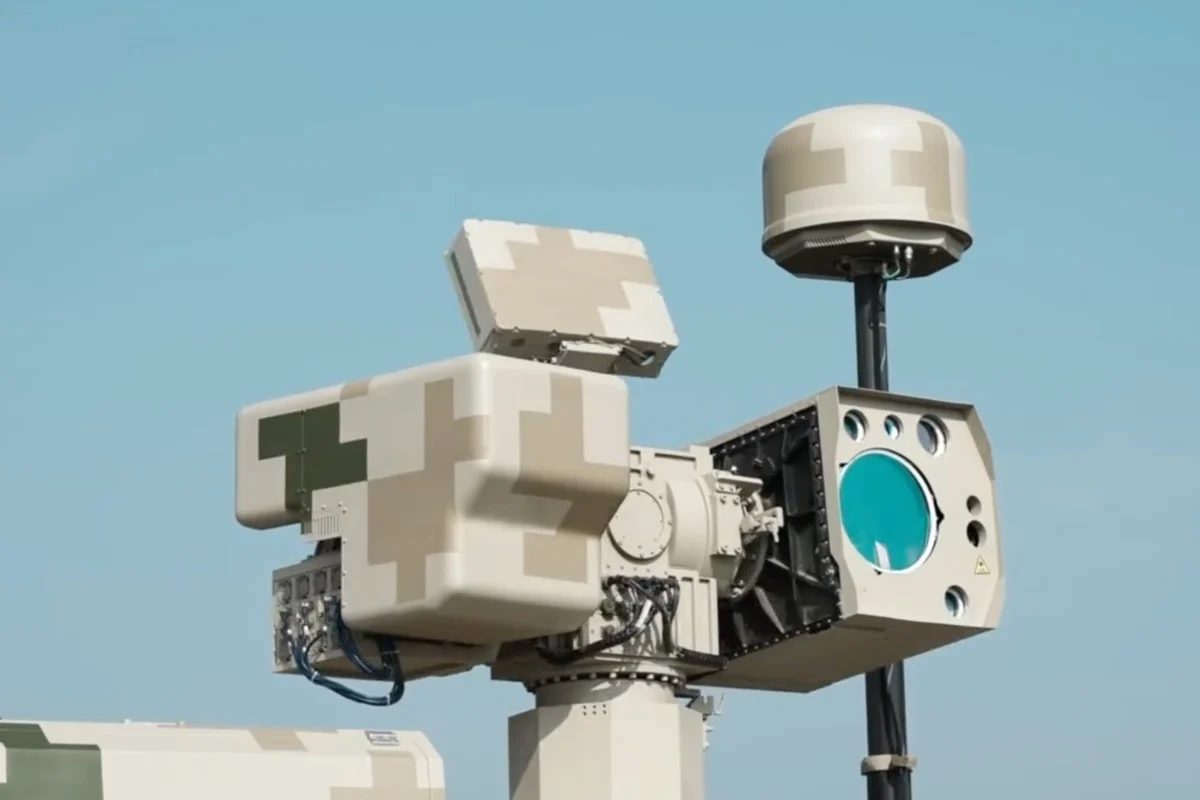
Perhaps the most significant highlight of the simulation was the live-fire debut of the OW5-A50 anti-drone laser system, a formidable directed energy weapon that stunned observers with its operational precision. The laser weapon reportedly engaged and destroyed drones from several kilometers away using a nearly invisible high-energy beam.
OW5-A50: China’s Answer to Drone Swarms
Developed by China North Industries Group Corporation (Norinco), the upgraded OW5-A50 laser weapon represents a technological leap in energy-based drone defense. Unveiled in 2021 as a prototype, the system has evolved into a mobile, fully integrated platform mounted on an 8×8 Dongfeng heavy truck chassis. It features:
- 50-kilowatt laser output, capable of neutralizing fast-moving aerial threats.
- Integrated command-and-control, radar, electro-optical sensors, and power modules.
- Operability as a stand-alone vehicle or as part of a multi-node network defense system.
Unlike conventional anti-air weapons, laser defenses offer nearly unlimited “ammunition” as long as the power supply endures, making them ideal for repelling low-cost swarm drones.
Drone-Artillery Coordination Brings Real-Time Firepower
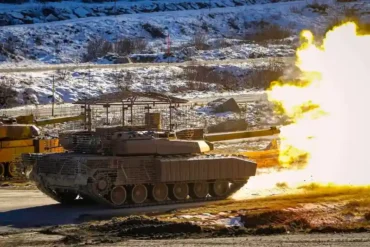
Another remarkable demonstration involved joint drone-artillery coordination, a practice that emphasizes real-time digitized warfare. Reconnaissance UAVs transmitted precise target coordinates to a 155mm howitzer battery, which engaged and neutralized targets rapidly and with pinpoint accuracy.
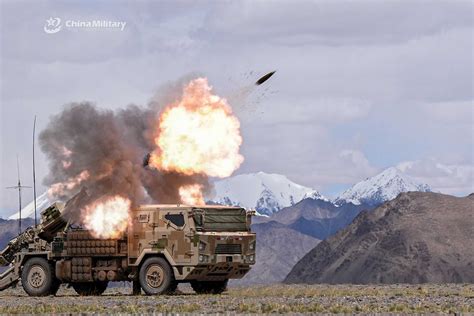
This synergy between airborne and ground assets reaffirms China’s shift toward sensor-to-shooter warfare — where data collected by drones is directly translated into kinetic effects within seconds.
Tactical Drones as Force Multipliers on the Ground
China’s battlefield drone suite also includes specialized tactical devices engineered for asymmetric and urban warfare scenarios. The exercise featured:
- Flying Frog: A VTOL (Vertical Take-Off and Landing) surveillance drone optimized for rapid vertical insertion and elevated recon.
- Flying Falcon: A high-speed loitering munition, essentially a suicide drone designed to strike with velocity.
- Black Bee: A compact drone capable of launching grenades, ideal for close-quarters battle.
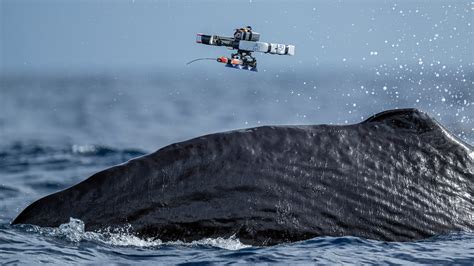
- Flying Whale: A bomb-dropping aerial unit for soft target elimination.
Each of these systems feeds back into a network-centric command grid, giving infantry teams full-domain situational awareness and the ability to call in airstrikes or recon on-demand.
Feilong: The Flying Dragons of Norinco’s Loitering Munitions Arsenal
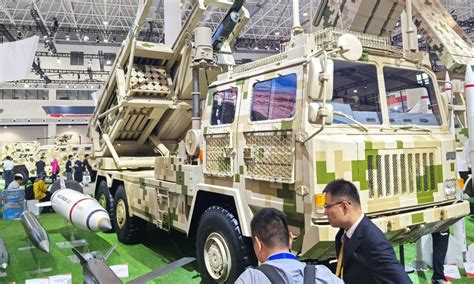
Norinco also showcased its Feilong (Flying Dragon) family of loitering munitions, highlighting modular, scalable drone warfare. These suicide drones were designed for both short-range tactical use and long-range strategic targeting:
- Feilong-10: Lightweight anti-personnel loitering munition with <10km range. Backpack-portable.
- Feilong-30: Modular launcher compatible with trucks, APCs, and naval vessels.
- Feilong-60: Rocket-launchable recon drone, also doubling as a hoverable cruise missile.
- Feilong-300A: Long-range (300km) anti-radiation drone for destroying enemy radar and air defense assets.
These platforms can be deployed individually or as swarms, operating under a central AI command to overwhelm even sophisticated defense grids.
Electronic Warfare Capabilities Take Center Stage
The event also unveiled several electronic warfare UAVs, including a large flying jammer capable of disrupting enemy drone optics and sensors from several kilometers away. This signals China’s intent to dominate the EM (electromagnetic) spectrum, not just the physical battlefield.
When deployed in formation, such jamming drones can blind adversaries’ targeting systems, degrade communication, and render enemy drones ineffective in contested airspace.
Strategic Implications for Global Military Balance
This exhibition of drone supremacy is more than a military drill — it is a geopolitical message. The seamless integration of loitering munitions, AI-driven battlefield planning, laser countermeasures, and swarm logic in a single exercise illustrates China’s intent to redefine future warfare paradigms.
From border skirmishes to full-spectrum operations, these technologies can be exported, replicated, or adapted to numerous tactical scenarios. The presence of VTOL systems, FPV drones, and swarm coordination protocols points directly to China’s ambitions to counteract NATO drone advantages and cement its position in unmanned systems export markets.
Conclusion: Drones Are China’s Force of Choice for 21st Century Conflict
China’s simulated combat exercise in Inner Mongolia wasn’t merely a tech display — it was a live-action blueprint for unmanned warfare dominance. With layered systems that integrate drones, artillery, lasers, and jammers into a unified command matrix, China is not just preparing for future warfare — it is writing its doctrine in real time.
As the West grapples with the proliferation of commercial drones and asymmetric threats, China has moved ahead with a military-industrial approach to drone warfare that is bold, scalable, and deeply integrated.
The world should take note. The battlefield is no longer dominated by humans alone — autonomous systems now share command.